A new national lobbying push by major real estate firms, homebuilders and housing advocates is turning America’s housing crunch into an election issue just as California’s shortage and affordability crisis deepen.
Housing lobbying push targets U.S. shortage

The “Let America Build” campaign matters because housing is no longer just a local zoning fight — it is becoming a national macro problem that feeds inflation, suppresses mobility and keeps a lid on household formation. With the industry now estimating the U.S. housing deficit at 4.03 million homes in 2025, up from 2.5 million in 2023, the imbalance is big enough to distort rents, push buyers deeper into the market and keep pressure on policymakers to act.
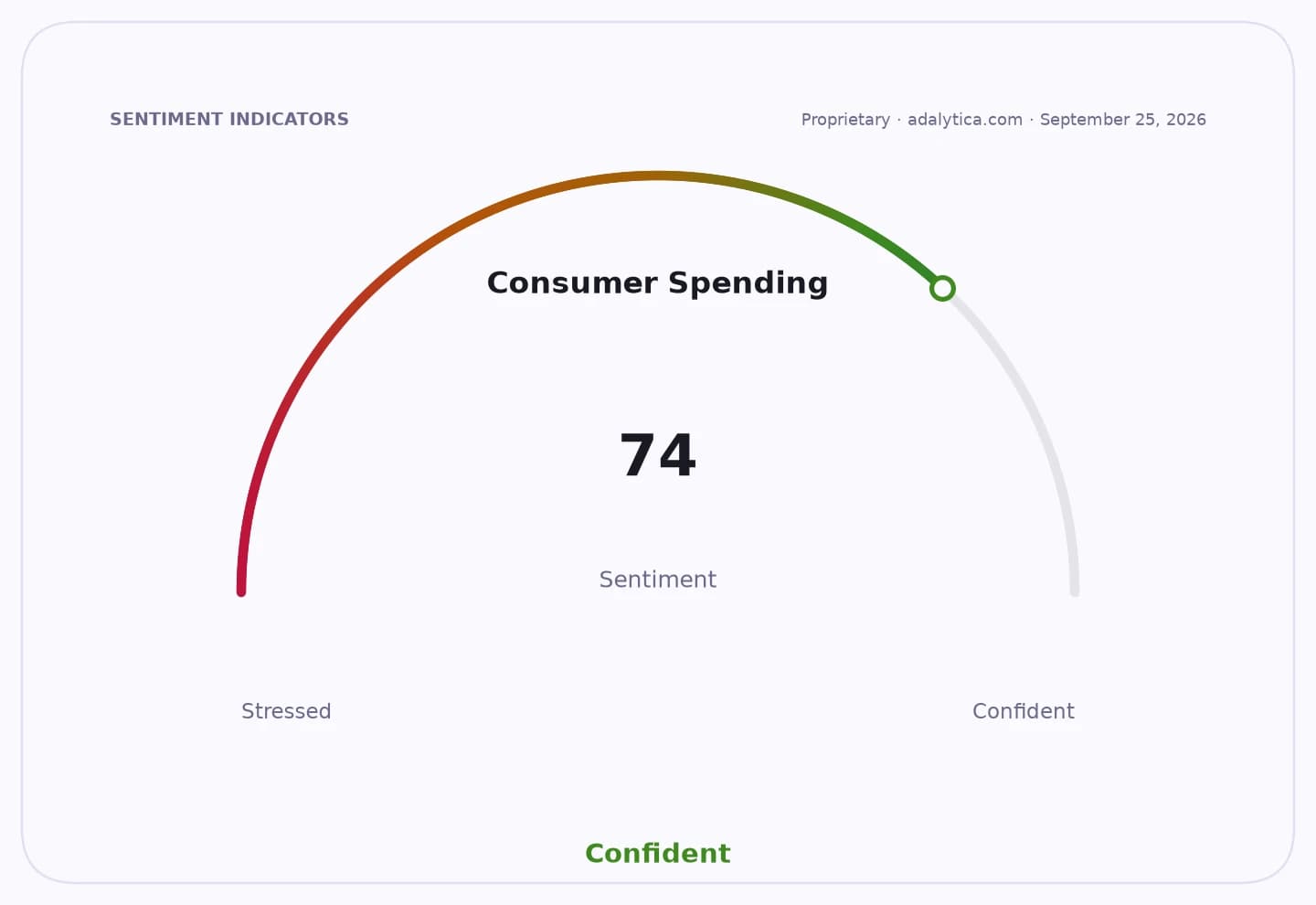
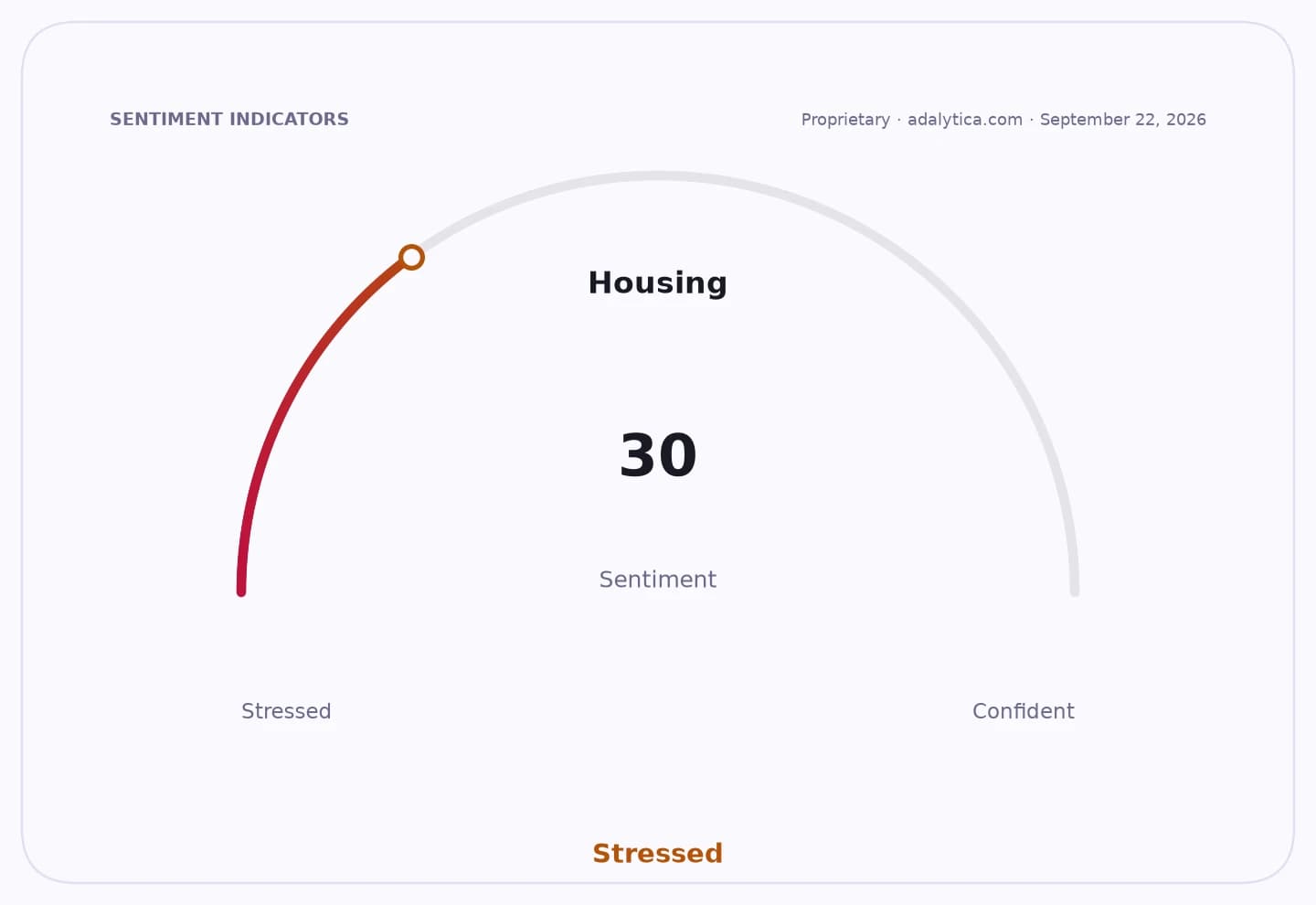
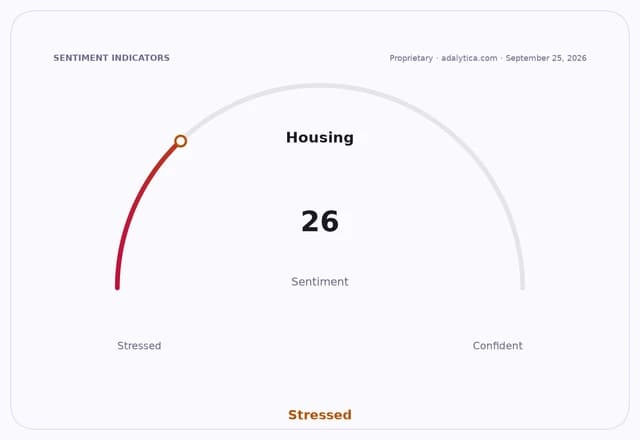
Sentiment IndicatorsⓘProprietary · adalytica.com · September 25, 2026
This is a snapshot — live sentiment, awareness and momentum for 130+ markets update continuously in the dashboard.Open AlphaPulse

The coalition is unusually broad, bringing together 14 organizations across the housing chain, including Realtor.com, Zillow, eXp Realty, NextHome, HomeServices of America, the National Association of Home Builders, ICON, Habitat for Humanity and Veterans United Home Loans. That breadth underscores how far the shortage has spread from developers’ margins to the broader economy: fewer homes means fewer transactions, higher financing stress for buyers and a tougher environment for the agents, lenders and builders that depend on volume.
The campaign is designed to capitalize on a rare opening in Washington after Congress passed the 21st Century ROAD to Housing Act this summer. The law created new financing tools, authorized a $200 million innovation fund and tied federal housing incentives to zoning reform, giving local governments a federal template to speed approvals and loosen restrictions on duplexes, accessory dwelling units and other forms of infill construction.
HOUST vs CSUSHPINSA — macro contextadalytica.com
Explore this data interactively — full history, time series and cross-market comparisons.Open AlphaPulse
For investors, that policy shift matters because it could gradually redirect capital toward the entire housing infrastructure stack — from homebuilders and land developers to construction technology, listings platforms and mortgage originators. It also sharpens the market split between jurisdictions that allow supply to respond and those that keep prices artificially high through permitting delays, outdated zoning and fee disputes.
California sits at the center of the campaign because it is where the shortage is most politically toxic and economically visible. The state’s chronic lack of supply has helped keep rents elevated, worsened affordability and made every stalled project a symbol of regulatory paralysis. If local leaders adopt the ROAD Act as a blueprint, California could become the test case for whether reform can finally unlock construction at scale.
That is why the opportunity extends beyond one election cycle. If the campaign succeeds in making housing supply a durable bipartisan priority, the biggest winners will be the companies that monetize more transactions, more starts and faster approvals. The losers are the local gatekeepers, scarcity-driven owners and short-term skeptics betting the shortage will persist. For investors, the message is clear: own the picks-and-shovels of a structural housing rebuild before policy momentum becomes consensus.
| Entity | Gains | Losses |
|---|---|---|
| Realtor.com, Zillow | ▲More listings and traffic | ▼Scarcity-driven market share limits |
| Homebuilders, NAHB members | ▲Faster approvals, more starts | ▼Local zoning bottlenecks |
| California homebuyers and renters | ▲More supply, lower pressure on rents | ▼Affordability strain |
| Local regulators and NIMBY opponents | ▲— | ▼Political pressure to ease restrictions |