Indiana utility regulators have opened a formal investigation into NIPSCO’s storm response, putting the Northern Indiana utility under scrutiny just as thousands of customers wait for service to be restored after this August’s widespread outages.
NiSource faces Indiana probe over NIPSCO storm response
The inquiry by the Indiana Utility Regulatory Commission matters because storm recovery is now a regulatory and financial issue, not just an operational one. If investigators find NIPSCO’s “practices and procedures” fell short, the company could face mandated changes to its emergency response plans, added compliance costs and pressure in future rate cases.
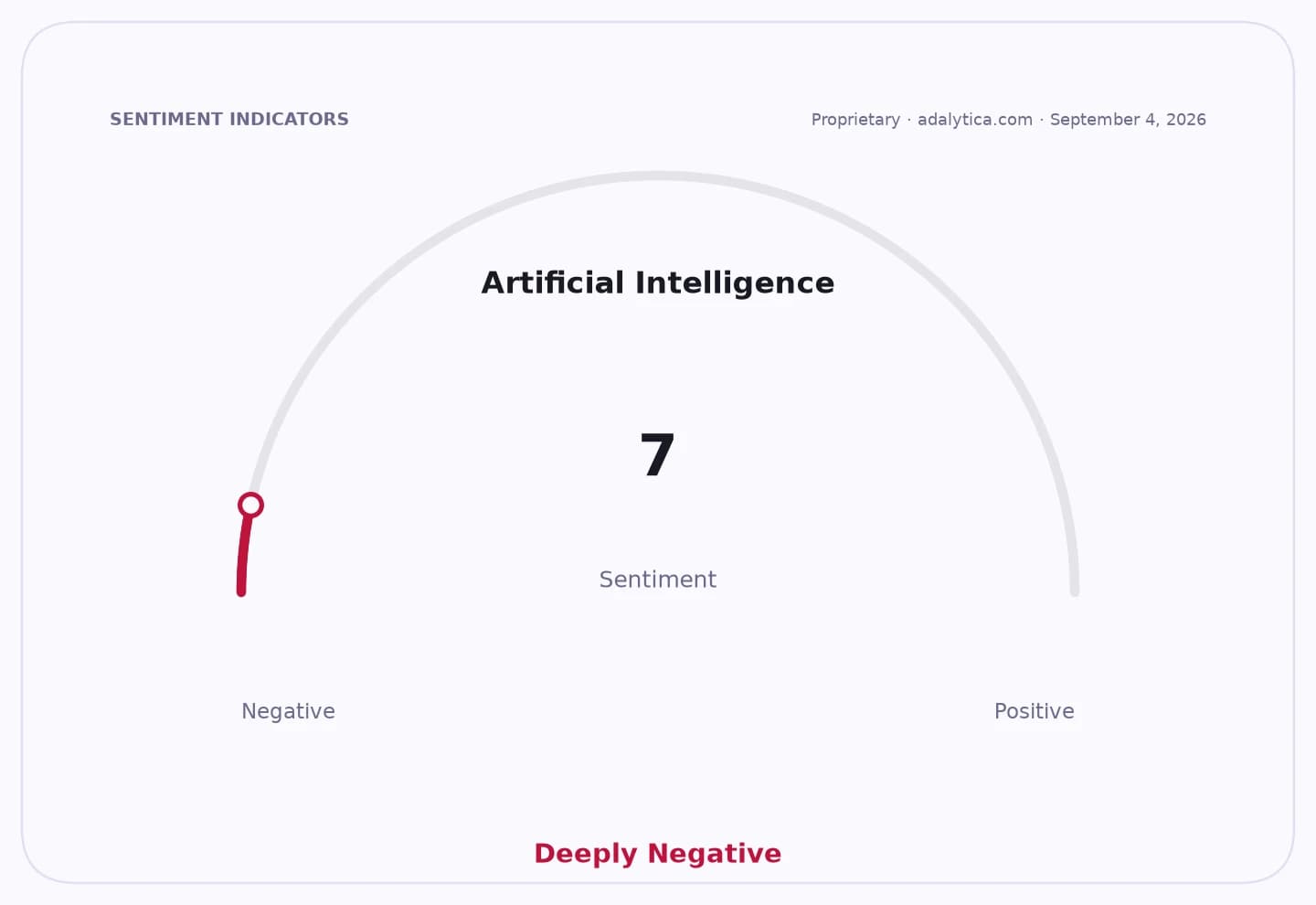
Sentiment IndicatorsⓘProprietary · adalytica.com · September 28, 2026
This is a snapshot — live sentiment, awareness and momentum for 130+ markets update continuously in the dashboard.Open AlphaPulse
NIPSCO, which serves Northwest Indiana, was still restoring power weeks after the outages, underscoring the scale of the disruption and the risk of customer backlash. For a regulated utility, prolonged outages can quickly become a reputational problem that spills into oversight, capital spending and allowed returns.
The probe also lands against a shaky backdrop for utility stocks. NIPSCO parent NiSource has seen its shares fall to about $39.31, well below its 50-day moving average of $42.17 and its 200-day average of $44.46, with the RSI at 16.2, a technical reading that points to deeply oversold conditions. The broader utilities ETF, XLU, is also near $39.31 and below both its 50-day and 200-day moving averages, suggesting investors are already cautious on the sector.
Storm response failures can carry real economic costs for utilities and their customers. Outages disrupt households and businesses, slow local economic activity and can force utilities to spend more on emergency crews, repairs and grid hardening after the fact. Regulators typically treat reliability as part of the bargain utilities strike with ratepayers: steady service in exchange for regulated returns.
For investors, the key question is whether the investigation turns into a one-off operational review or the start of a broader regulatory overhang. Any findings that lead to stricter oversight, higher capital requirements or tougher scrutiny of NIPSCO’s maintenance and vegetation-management programs could weigh on NiSource’s earnings visibility.
The case now shifts to what the commission uncovers about outage duration, restoration priorities and preparedness heading into the next severe-weather event.
| Entity | Gains | Losses |
|---|---|---|
| Indiana Utility Regulatory Commission | ▲Oversight credibility | ▼NIPSCO management |
| NIPSCO customers | ▲Potential service fixes | ▼Extended outage hardship |
| NiSource shareholders | ▲Possible long-term reliability improvements | ▼Regulatory and reputational risk |
| Utility competitors | ▲Higher scrutiny on peers | ▼Sector sentiment if probes widen |