A same-day outage at ChatGPT, Claude and Grok was more than an inconvenience for millions of users — it was a reminder that the AI boom still runs on infrastructure that can fail all at once.
ChatGPT, Claude and Grok outage hits AI apps
When leading chatbots from OpenAI, Anthropic and xAI stumble together, the immediate question is not which model is “best.” It is how dependent the entire AI stack has become on shared cloud, networking and content-delivery systems that sit underneath the flashy consumer apps. In other words, the real vulnerability is not just in the models, but in the plumbing.
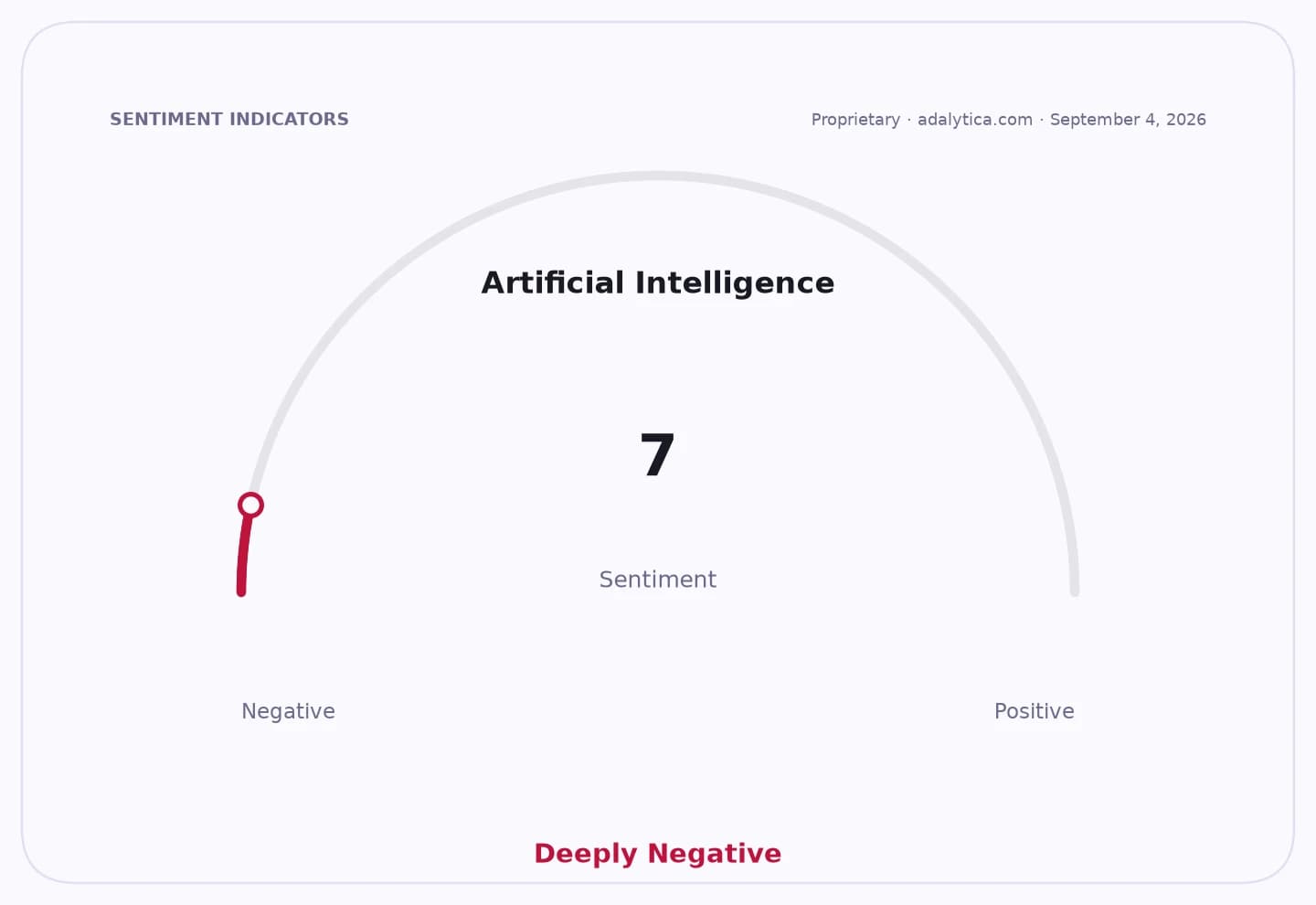
Sentiment IndicatorsⓘProprietary · adalytica.com · September 4, 2026
This is a snapshot — live sentiment, awareness and momentum for 130+ markets update continuously in the dashboard.Open AlphaPulse
OpenAI confirmed technical problems affected ChatGPT and Codex, with users reporting failed prompts, sluggish responses and outages across regions. Anthropic said Claude was seeing elevated errors, while xAI acknowledged issues with Grok. The clustering of failures across three separate companies made a shared infrastructure problem look more likely than a bug in any single chatbot, and Cloudflare was one of the early suspects because its network services sit in front of a huge slice of the internet.
For investors, that matters because AI is increasingly a platform story, not just a product story. The market has spent the last two years rewarding companies that can sell intelligence as a service, from Microsoft and Alphabet to Nvidia and the broader cloud ecosystem. But if the end-user experience becomes unreliable, adoption can slow, enterprise customers can hesitate, and the case for paying premium valuations gets a little less automatic.
That is especially relevant for the big infrastructure names. Microsoft, which is deeply tied to OpenAI and the broader AI buildout, has seen its shares swing sharply over the past year as investors weigh growth against heavy capital spending. Alphabet, meanwhile, sits at the center of search, cloud and AI distribution. Nvidia remains the clearest long-term winner from AI buildout, but even the strongest demand story depends on an ecosystem that can actually deliver stable services to users. Repeated outages do not change the secular thesis, but they do raise the bar on execution.
There is also a bigger lesson here for long-term investors: the AI race is entering the phase where resilience matters as much as raw capability. A brilliant model that is down when customers need it is not a durable advantage. Companies that can pair strong models with dependable infrastructure, better monitoring and failover systems should be the ones that compound over time.
Could this be a buying opportunity? For patient investors, yes — but only if you stay focused on the companies with real moats, strong free cash flow and the balance sheets to keep investing through bumps like this. Outages are part of the growing pains of a young industry. The winners will be the firms that treat reliability as a competitive edge, not an afterthought.
| Entity | Gains | Losses |
|---|---|---|
| Cloud infrastructure providers | ▲More scrutiny and demand for resilience | ▼Reputation if outages spread |
| OpenAI, Anthropic, xAI | ▲Push to improve uptime and trust | ▼User frustration and brand damage |
| Microsoft, Alphabet, Nvidia | ▲Long-term case for infrastructure investment | ▼Near-term doubts about AI reliability |
| AI users and enterprise customers | ▲Better focus on failover and safeguards | ▼Lost productivity during outages |