The race to deploy artificial intelligence is making a more basic infrastructure problem impossible to ignore: if the internet is fragile, the AI economy is fragile with it.
Vodafone Calls for Stronger Internet Shutdown Protections
That is the central message from Vodafone’s call for stronger protections against internet shutdowns and from a wider set of outages and network expansion efforts across Europe, Africa and Asia. The argument has economic weight because AI systems, cloud platforms and digital services all sit on top of connectivity that must be open, resilient and continuously available. When that layer fails — whether through outages, shutdowns or fragmented national networks — productivity falls, service revenue is interrupted and investor confidence in the digital stack weakens.
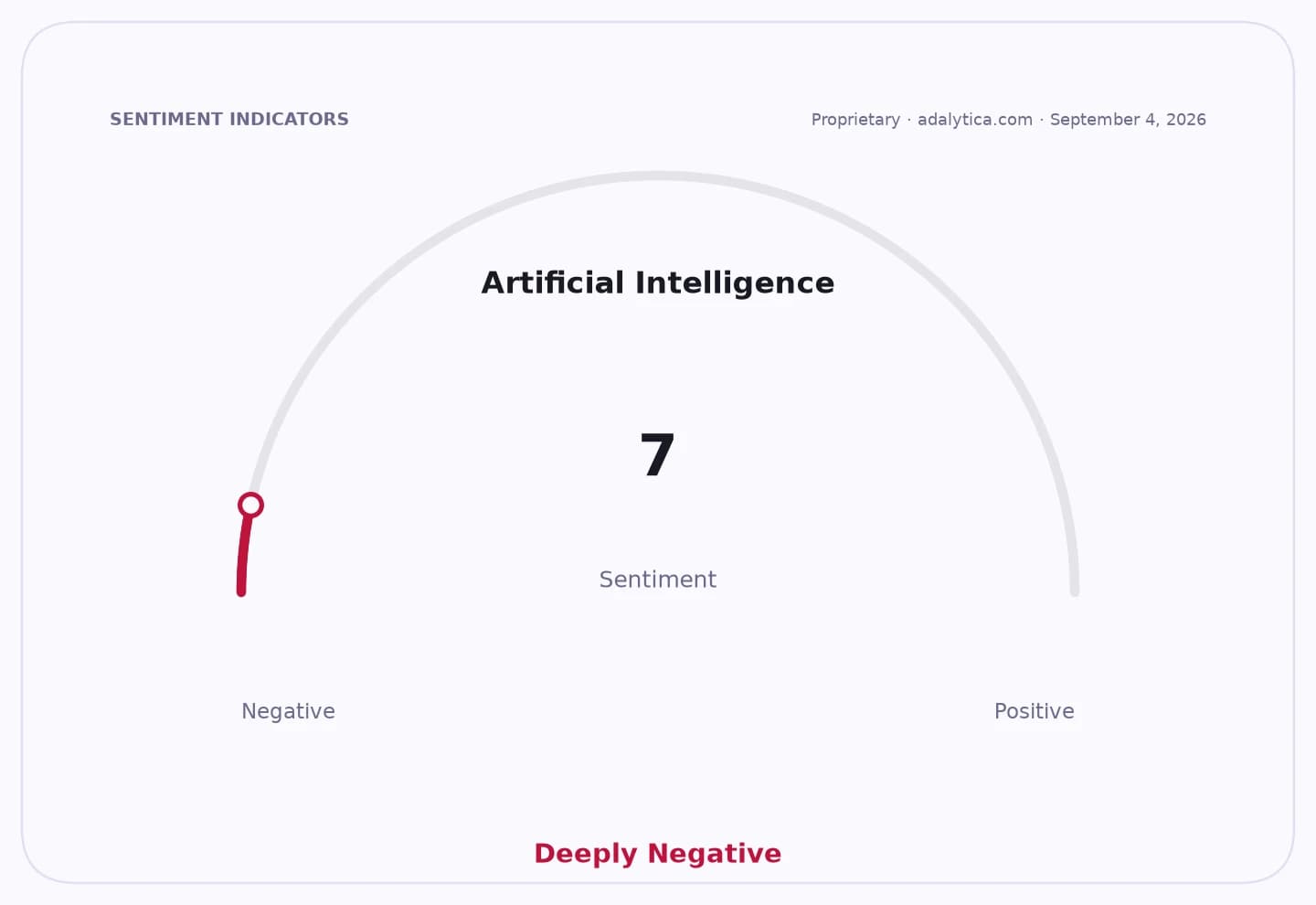
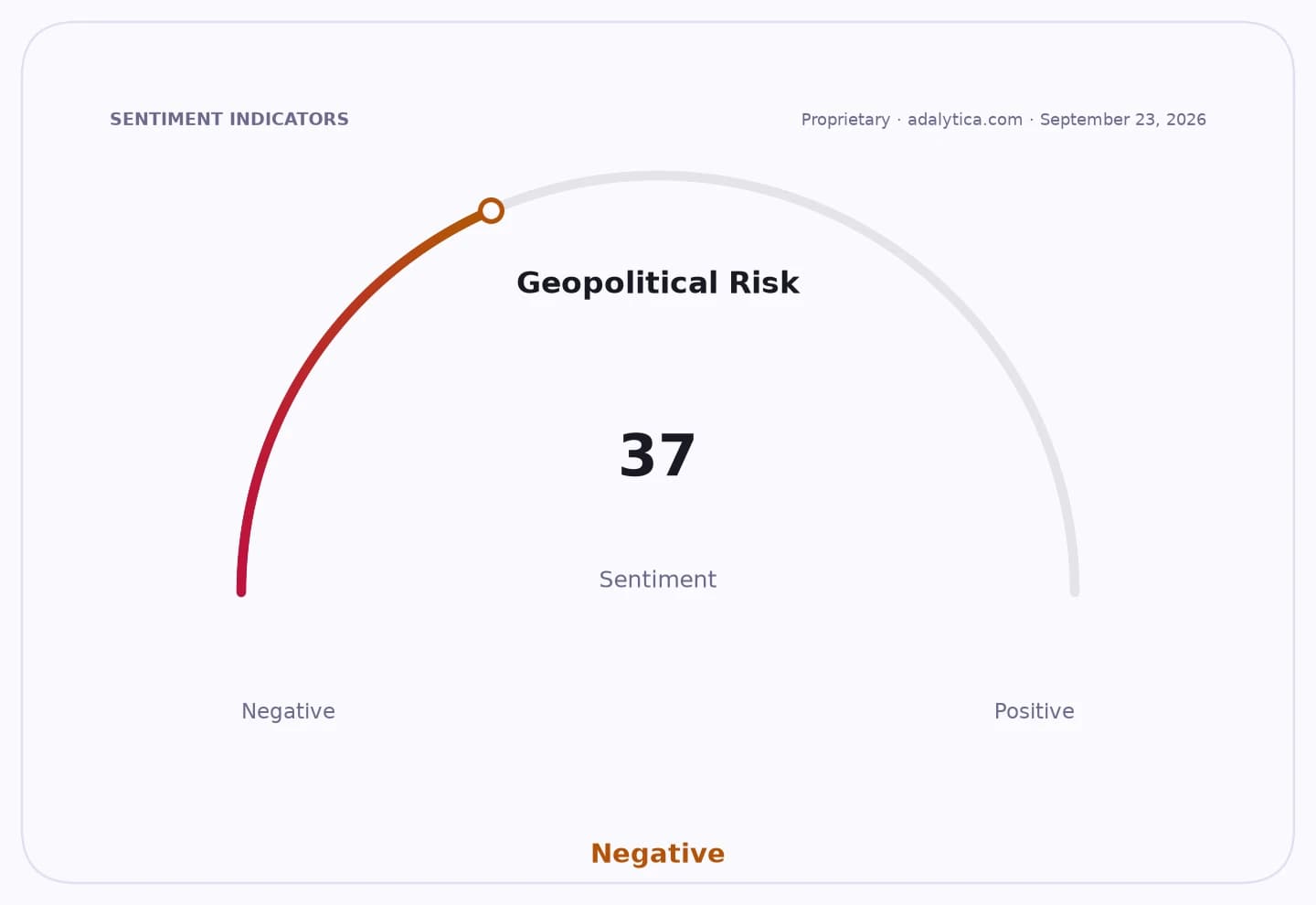
Sentiment IndicatorsⓘProprietary · adalytica.com · September 22, 2026
This is a snapshot — live sentiment, awareness and momentum for 130+ markets update continuously in the dashboard.Open AlphaPulse
Vodafone’s warning comes as providers and regulators face a growing list of connectivity failures, including major service disruptions at O2 and repeated outages at MEO in Portugal. Those incidents are more than consumer inconveniences. They expose the economic cost of downtime for payments, logistics, remote work, retail, media distribution and enterprise software, while also underlining how quickly governments can impair commerce when they resort to network restrictions.
The issue matters especially now because AI is increasing traffic, compute demand and dependence on always-on networks. Microsoft’s latest annual filing noted that maintaining and operating its infrastructure requires a “robust, resilient, and reliable” internet connectivity layer, and that outages, insufficient connectivity or power constraints can disrupt cloud and AI products. Nvidia has made a similar point in describing the infrastructure customers need to deploy its products. In other words, AI is not only a chip or model story; it is also a connectivity and energy story.
For investors, that creates a chain of beneficiaries and vulnerable points. Network operators, fiber providers and satellite internet projects stand to gain as demand rises for redundancy, coverage and low-latency connectivity. Telecom groups in frontier and emerging markets also benefit from the push to connect underserved areas, as shown by Vietnam’s satellite internet rollout across 13 provinces and Safaricom’s rise past one million fixed internet subscribers in Kenya. Telcos with stronger fiber footprints and higher-quality mobile networks can capture more usage and reduce churn as households and businesses pay for reliable access.
But the bear case is just as clear. If internet access becomes more fragmented — through shutdowns, geopolitical blockages or rising concentration among a few platforms and carriers — the addressable market for AI narrows and the economics of digital services worsen. That would raise compliance costs, slow adoption and make the infrastructure behind AI more capital intensive. It also increases the risk that governments intervene more aggressively, with shutdowns or national intranets that split the global network into managed enclaves.
The narrative here is that AI’s growth story now depends on a more old-fashioned public good: a dependable internet. Open, interoperable networks have historically lowered the cost of innovation and widened the market for digital products. Their erosion would do the opposite. For investors, the near-term winners are the companies building resilience into the network layer; the longer-term risk is that the AI boom runs into a bottleneck not at the model or chip level, but at the connection itself.
| Entity | Gains | Losses |
|---|---|---|
| Vodafone and telecom operators | ▲Higher demand for resilience | ▼Shutdown and outage risk |
| AI/cloud platforms | ▲Better network reliability | ▼Fragmented connectivity |
| Governments seeking control | ▲Short-term leverage | ▼Open digital commerce |
| Consumers and businesses | ▲More reliable access | ▼Downtime and service disruption |