Greece’s government is preparing a larger winter aid package aimed at keeping heating oil below 1.75 euros a liter from Oct. 15, a move that could ease pressure on households but add to already tight fiscal trade-offs.
Greece plans bigger winter heating oil aid package

The plan centers on a bigger heating allowance for households and an extension of the pump subsidy on diesel fuel into October, with officials also considering whether to double that support to 20 cents a liter including VAT. The question of cutting fuel excise duty remains on the table, but it is the hardest option to sell financially because fuel taxes bring in about 6.5 billion to 7 billion euros a year.
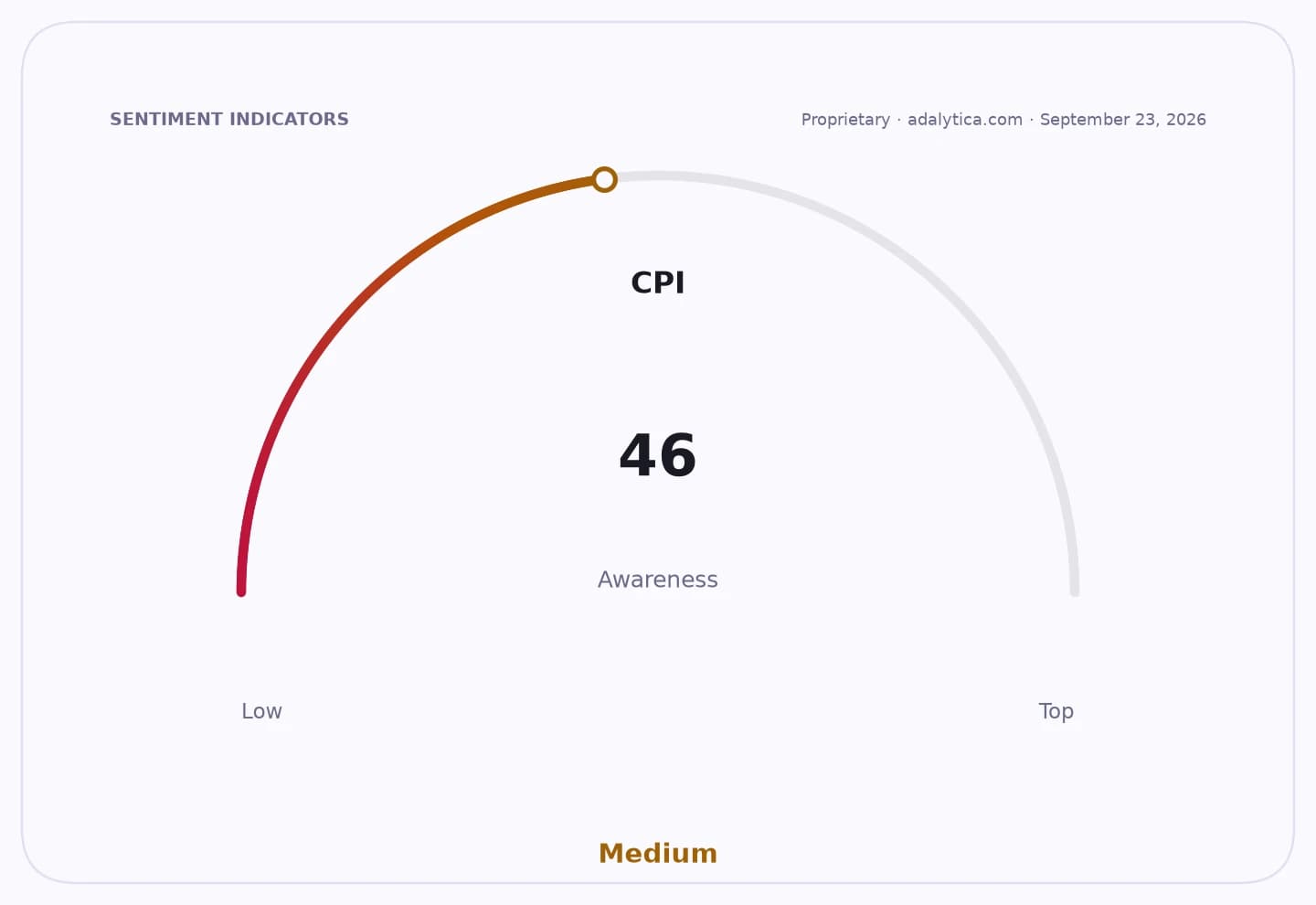
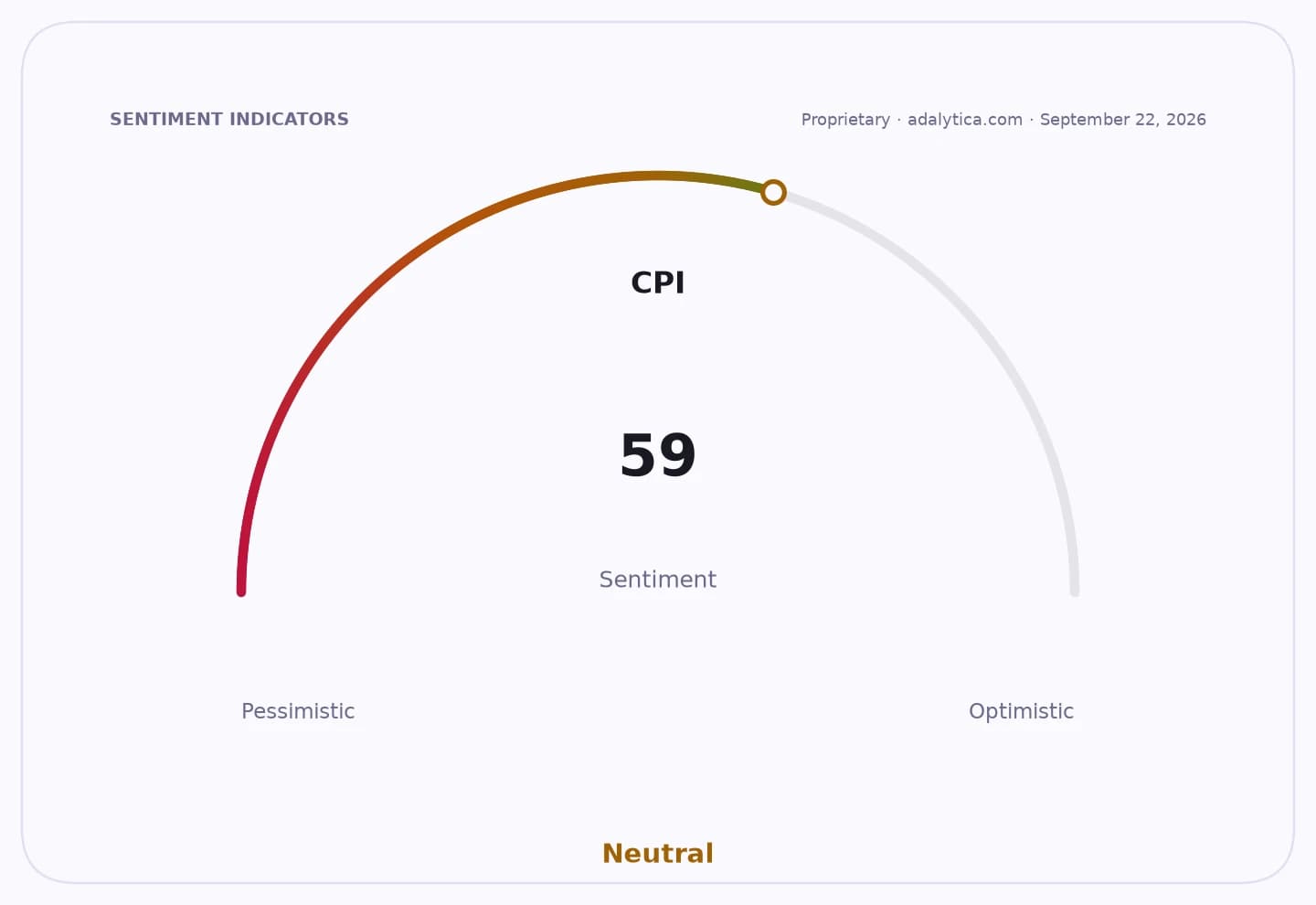
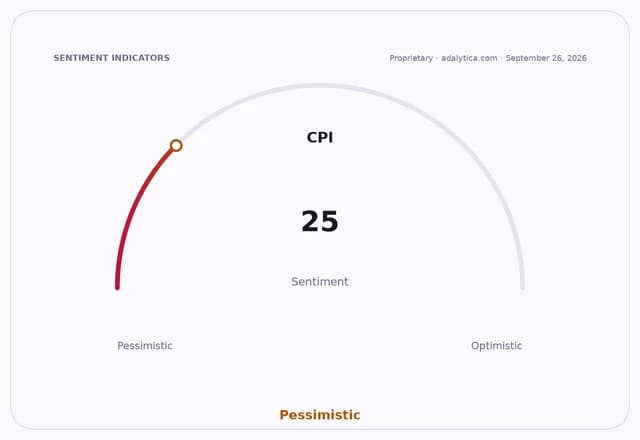
Sentiment IndicatorsⓘProprietary · adalytica.com · September 26, 2026
This is a snapshot — live sentiment, awareness and momentum for 130+ markets update continuously in the dashboard.Open AlphaPulse

That revenue stream is significant for an economy still balancing household relief against the need to protect the budget. Officials say the pool for extra measures is only about 130 million to 150 million euros, drawn from the 2025 surplus, underscoring how limited room is for broad-based intervention even as energy costs stay elevated.
Heating oil is a politically sensitive price point in Greece because the start of the winter season typically lifts demand just as households face higher utility bills. Current support ranges from 100 euros to 800 euros, and can reach 1,200 euros in the coldest areas, but the final size of the increase has not yet been set.
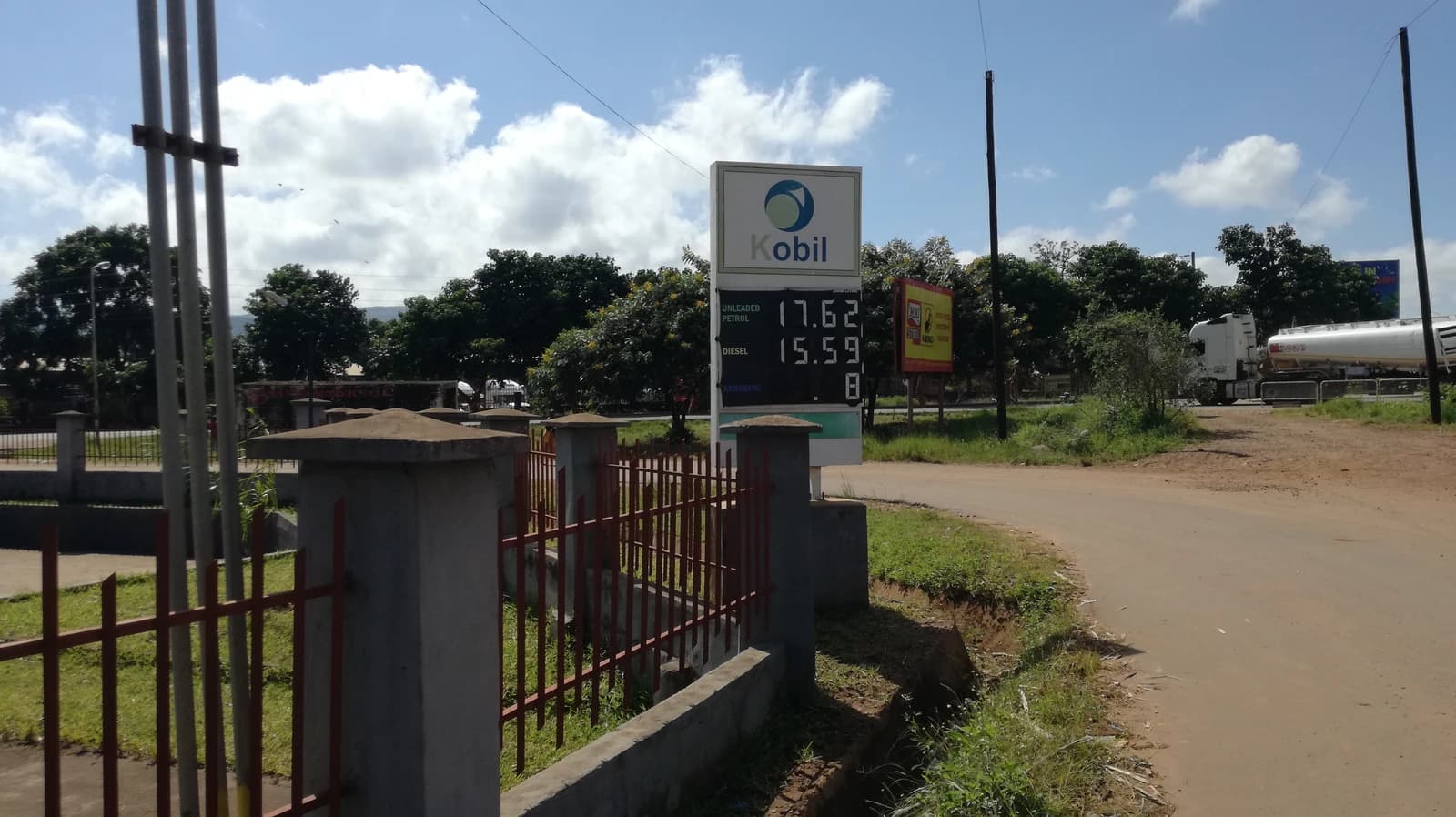
The diesel subsidy matters beyond households because transport, small businesses and farmers feed directly into broader inflation and operating costs. Keeping the pump aid in place would help cushion those sectors if crude prices stay firm, while a deeper cut in fuel taxes would deliver faster relief but leave the treasury with a larger hole to fill.
Benchmark oil prices remain well above levels that would make the political problem disappear on their own, with U.S. crude futures around $104 a barrel and heating oil futures near $4.68 a gallon. That leaves Athens relying on targeted subsidies rather than a market reprieve.
Investors will watch whether the government settles for a temporary extension of support or goes further on taxes, a decision that would ripple through inflation, consumer spending and fiscal execution. The next catalyst is the final package around Oct. 15, when heating oil sales begin and the cost of winter support becomes immediately visible.
| Entity | Gains | Losses |
|---|---|---|
| Greek households | ▲Lower winter heating bills | ▼Less relief if aid is limited |
| Freight, small firms, farmers | ▲Cheaper diesel costs | ▼Higher operating expenses without subsidy |
| Greek state budget | ▲Preserved tax revenue if ECF stays intact | ▼Bigger deficit if fuel taxes are cut |
| Fuel sellers/importers | ▲Stronger demand from subsidized sales | ▼Margin pressure if prices are capped |