Spain’s government is opening the door to extend its anti-crisis package beyond Sept. 30 as inflation accelerates and energy prices climb back toward levels that threaten households, transport firms and the wider food chain.
Spain weighs extension of anti-crisis energy aid

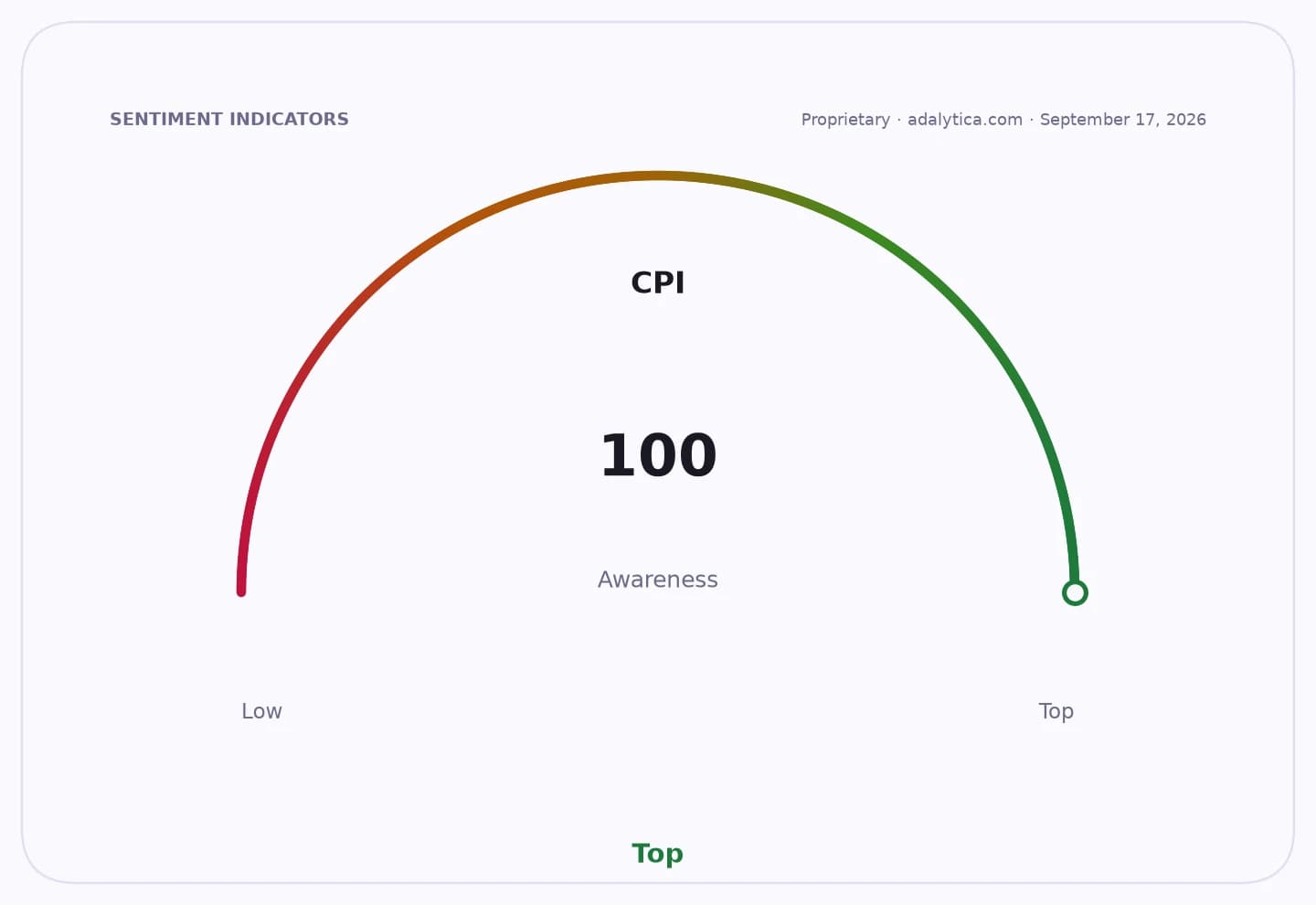
That matters because the policy choice is no longer just about temporary relief. With consumer prices rising 4.3% in August, the fastest pace since 2023, oil near 100 euros a barrel, wholesale electricity above 100 euros per megawatt-hour and gas prices feeding through the system, Madrid is facing a test of whether it can cushion the economy without burning through a fiscal margin that is already tight.
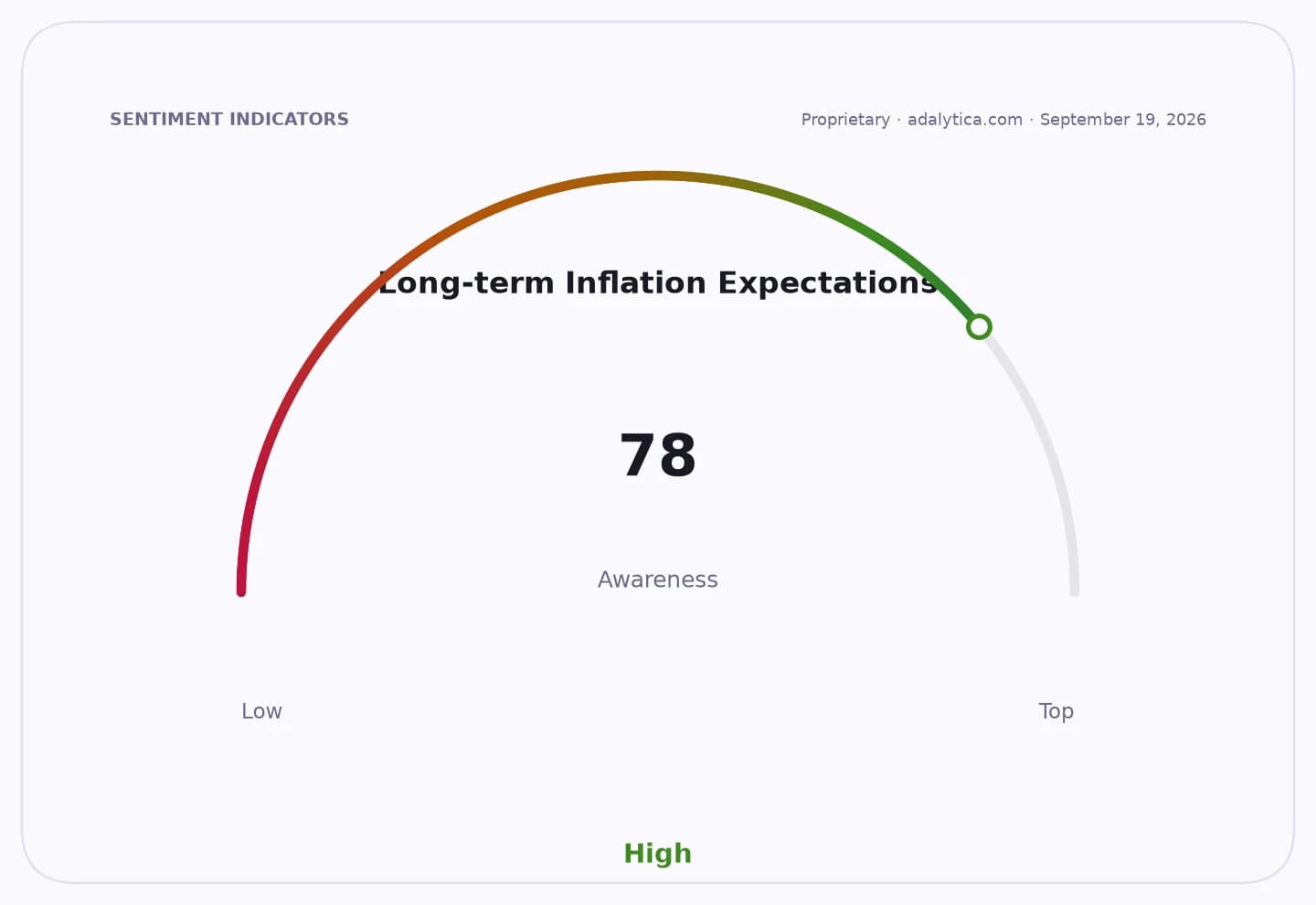
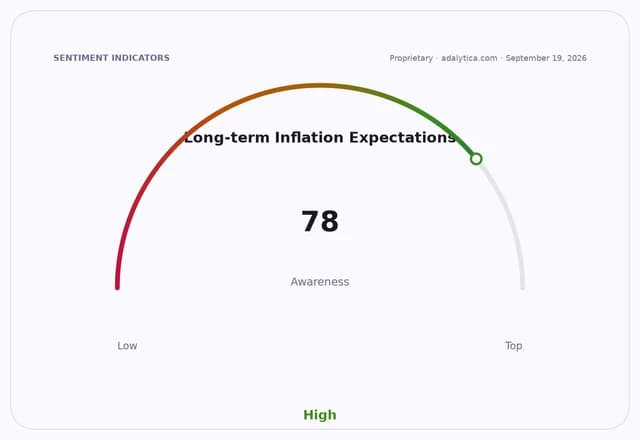
Sentiment IndicatorsⓘProprietary · adalytica.com · September 19, 2026
This is a snapshot — live sentiment, awareness and momentum for 130+ markets update continuously in the dashboard.Open AlphaPulse
Economically, this is a classic late-cycle tradeoff. The original shield was designed to blunt the shock from the Middle East conflict and was always framed as a short-horizon response. But the deterioration in energy markets means the government is now considering either a straight extension or a more targeted scheme, with support likely to focus on transport and agri-food, where higher fuel and power costs spread quickly through the rest of the economy. That suggests Spain is moving from broad emergency relief toward a more selective intervention model — a sign the inflation shock is proving stickier than policymakers hoped.
For investors, the message is that inflation risk in Europe is not fading cleanly, even as growth remains fragile. Higher energy costs are the immediate beneficiary for oil producers and utilities with exposure to power pricing, while airlines, logistics, retailers and food distributors face fresh margin pressure if governments stop short of compensating consumers and businesses. The broader implication is that central banks may keep sounding cautious for longer, because fiscal support can soften the demand hit without removing the inflation impulse.
The political backdrop matters too. Labor unions want higher wages, a revived Iberian-style cap on gas-linked power pricing and even a direct payment for low-income households. Employers are pushing for relief on electricity taxes, gas levies and grid charges. That leaves Madrid caught between protecting purchasing power and avoiding a prolonged subsidy bill at a time when the fiscal watchdog says available room is already at the limit and Brussels is wary of broad-based tax cuts.
The market takeaway is straightforward: this is not just a Spain story, it is a European inflation story. If governments keep extending emergency shields, they are admitting the energy shock is not transitory. That supports inflation-linked assets, keeps pressure on rate-sensitive equities, and argues for exposure to pricing power, infrastructure and energy rather than consumers and discretionary names. The market is still underestimating how long the fight over household bills will shape policy, margins and asset allocation.
| Entity | Gains | Losses |
|---|---|---|
| Energy producers | ▲Higher prices | ▼Fuel-intensive users |
| Utilities/power generators | ▲Stronger power pricing | ▼Industrial consumers |
| Households | ▲Temporary bill relief | ▼Fiscal flexibility |
| Transport and agri-food firms | ▲Subsidy support | ▼Unprotected margins |