Rising temperatures in Piauí are lifting household electricity bills just as Brazil’s yellow tariff remains in force, adding a direct charge that can quickly compound with heavier use of fans, air conditioners and refrigerators.
Piauí heat lifts electricity bills under yellow tariff
The immediate economic effect is straightforward: when hotter weather lengthens the time appliances run, consumption rises even if their power rating does not. In September, that is colliding with a tariff surcharge of R$1.885 for every 100 kilowatt-hours consumed, imposed by Aneel and kept in place because generation conditions remain less favorable. For families already facing tighter budgets, the combination turns weather into a near-term inflationary pressure on household spending.
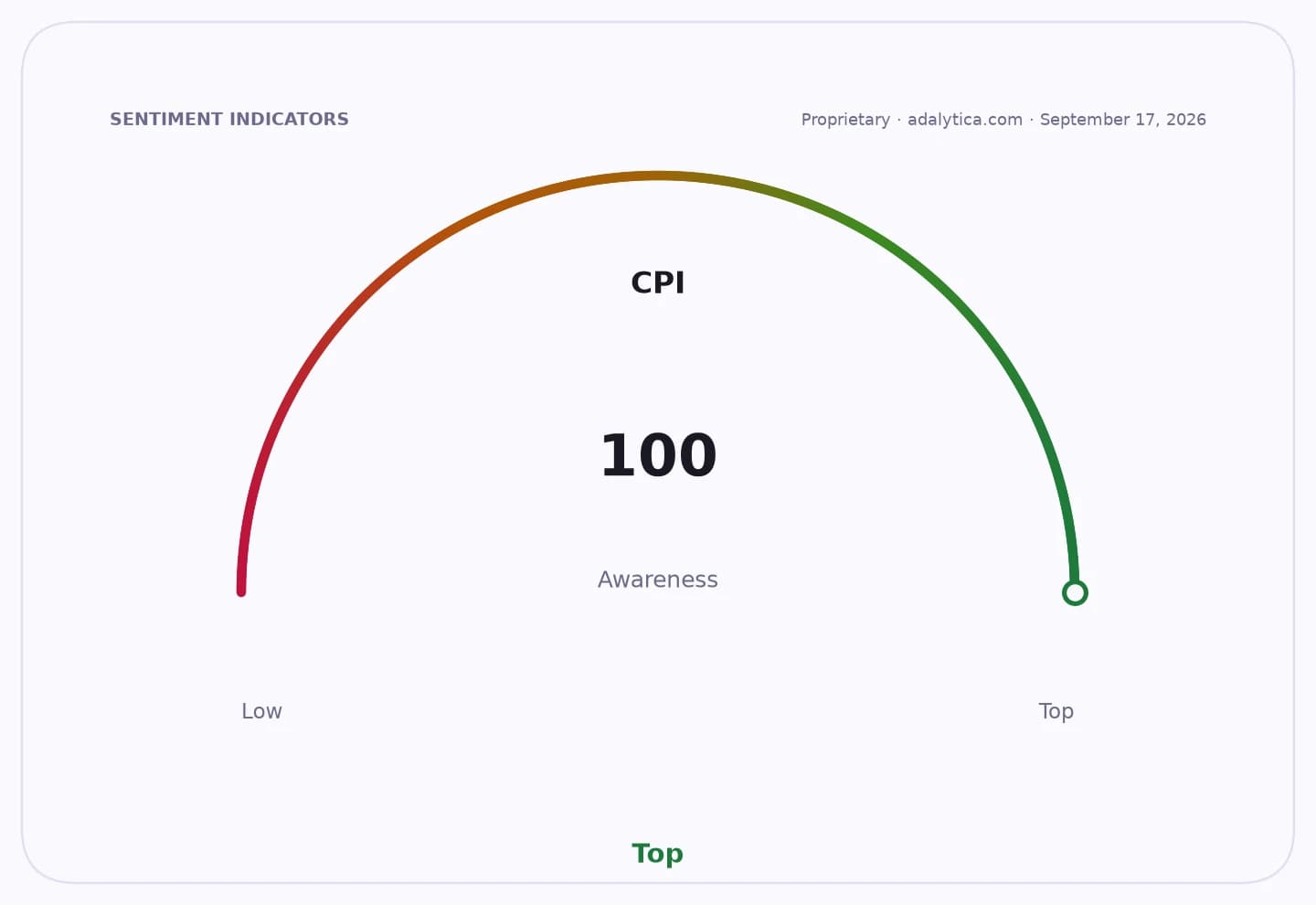
Sentiment IndicatorsⓘProprietary · adalytica.com · September 17, 2026
This is a snapshot — live sentiment, awareness and momentum for 130+ markets update continuously in the dashboard.Open AlphaPulse
Utility operators and consumer advocates have long noted that electricity demand is highly sensitive to temperature, but the effect is especially visible in northern and northeastern states such as Piauí, where cooling needs can dominate domestic use. Ana Daniele Gonçalves, a resident quoted in the report, said her fan now runs much of the day because of the heat, illustrating how quickly comfort spending can become a recurring bill burden. Equatorial Piauí’s studies executive Abraão Galeno said the key variable is time of use, not just appliance potency, meaning a familiar device can become materially more expensive simply because it stays on longer.
The refrigerator adds another layer of cost. Hotter weather encourages more frequent door openings and longer compressor cycles, increasing waste through the simple act of “abre e fecha.” That matters because refrigeration is one of the few household loads that operates continuously, making it a persistent source of baseline demand that rises further in hot spells. The utility’s advice — keep seals intact, reduce unnecessary openings and avoid prolonged door use — is aimed at trimming the incremental consumption that, multiplied across thousands of households, can meaningfully affect aggregate power demand.
For investors, the story is less about one state’s weather than about how climate volatility and tariff pass-throughs affect the revenue and margin profiles of Brazilian utilities. Higher consumption can support sales volumes for distributors such as Equatorial, but it also reflects a stressed consumer base and can increase political sensitivity around bills. For regulated power companies, the short-term benefit of higher throughput is often offset by higher delinquency risk, tougher public scrutiny and pressure on tariff-setting mechanisms.
The national backdrop also matters. A separate government warning about a possible electricity shortage from 2027 underlines that Brazil’s power system still faces a supply gap if generation and grid projects lag. That raises the stakes for efficiency measures today: every kilowatt-hour avoided by households reduces stress on a system that may become tighter later in the decade. It also helps explain why utilities continue to push simple conservation steps, from setting air conditioners near 23C to favoring Procel-rated appliances.
For consumers in Piauí, the practical message is immediate. Reducing hours of use, improving maintenance and avoiding waste can offset part of the yellow tariff’s impact, but not eliminate it. For the market, the broader takeaway is that Brazil’s electricity bill is increasingly shaped by the intersection of weather, policy and infrastructure — a mix that can lift costs for households now and reshape demand expectations for the grid later.
| Entity | Gains | Losses |
|---|---|---|
| Utilities | ▲Higher billed consumption | ▼Higher political scrutiny |
| Households | ▲Lower bills from conservation | ▼Bigger summer power costs |
| Appliance-efficient retailers | ▲Stronger demand for efficient models | ▼Sales pressure on older devices |
| Grid planners | ▲More urgency for investment | ▼More strain from demand growth |