Portugal is preparing to revive support for farm diesel, arguing that agriculture is the sector with the biggest impact on inflation and household costs as fuel prices spike again.
Portugal Weighs Farm Diesel Aid as Fuel Prices Rise
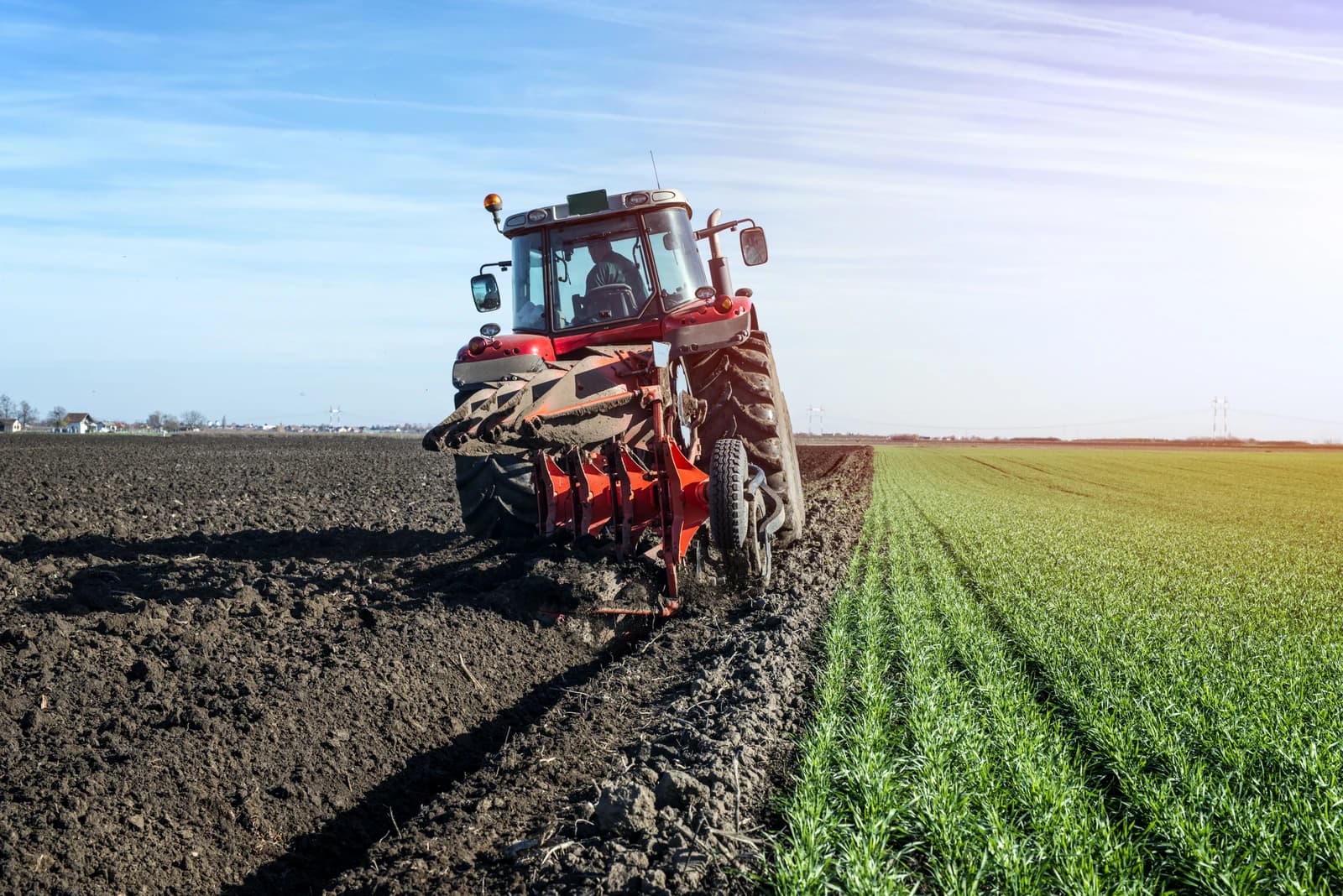
The move matters because it shows the government is trying to contain second-round inflation effects rather than simply cushion every industry hit by higher fuel costs. Agriculture feeds directly into food prices, so even a modest jump in production costs can ripple through groceries and headline inflation more quickly than in many other sectors.
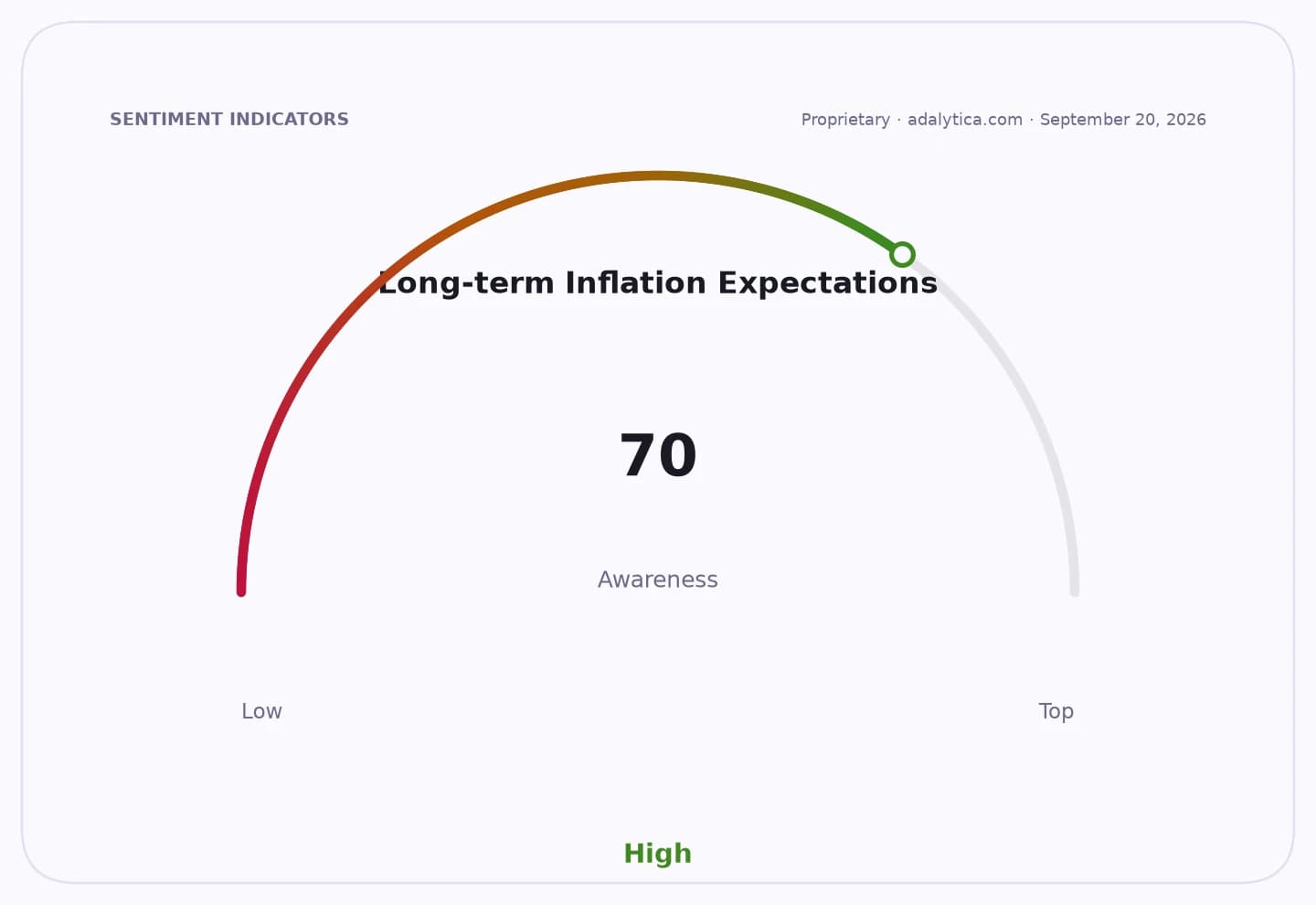
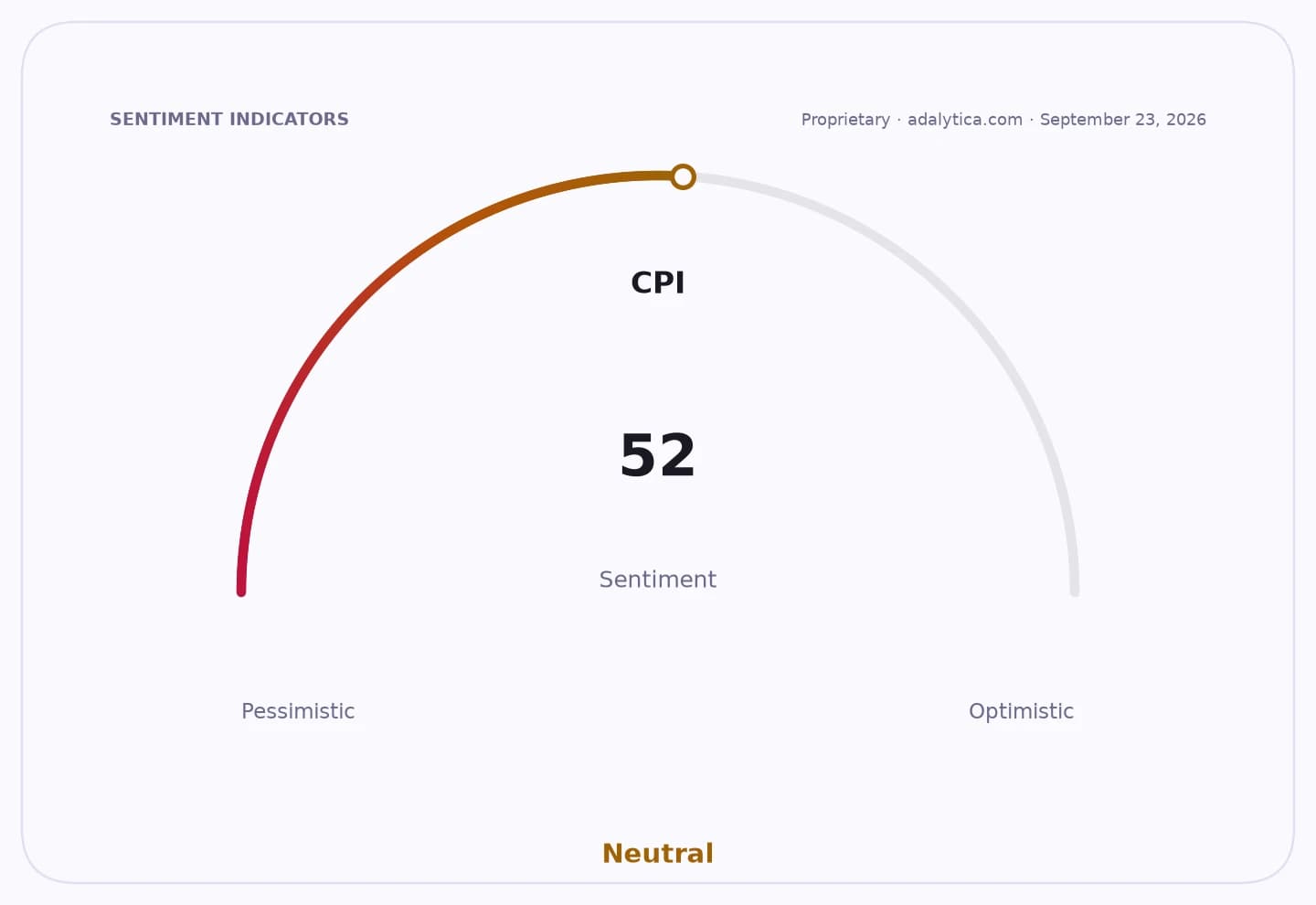
Sentiment IndicatorsⓘProprietary · adalytica.com · September 8, 2026
This is a snapshot — live sentiment, awareness and momentum for 130+ markets update continuously in the dashboard.Open AlphaPulse
Environment and Energy Minister Maria da Graça Carvalho said the return of aid is being considered after a market review and that the state’s priority was the agricultural diesel used by farmers. She defended the approach as the “most efficient” way to help exposed sectors, citing economists including former central bank governor Mário Centeno. The minister also said Portugal’s fuel prices remain broadly in line with the rest of Europe and that recent increases have been slightly below the EU average, with Spain the main exception.
The policy response comes after recent fuel increases of more than 10 cents a litre on diesel prompted protests and forced the government to signal a new round of relief. Officials said the discount on the petroleum tax had already been increased by three cents a litre, though a weekly ERSE report later put the actual cut at about 2.5 cents. The government says the tax discount now amounts to 23 cents a litre on diesel and that fuel-tax reductions since the start of the Iran conflict total more than 700 million euros this year.
For investors, the immediate read-through is that Portugal is willing to absorb some fiscal cost to avoid broader inflation spillovers, a stance that can support consumer purchasing power but limits the room for the state to let pump prices fully reflect oil-market shocks. That tends to favor food producers and farm operators over fuel-tax revenue, while leaving transport operators still lobbying for their own reinstated support after earlier aid expired at the end of June.
The broader narrative is that governments facing fresh energy shocks are increasingly targeting subsidies at the sectors with the clearest inflation transmission rather than deploying blanket relief. If food and agricultural input costs keep climbing, the pressure for more selective support could persist, keeping agriculture, retailers and consumer-price expectations at the center of the policy debate.
| Entity | Gains | Losses |
|---|---|---|
| Farmers / agriculture | ▲Lower diesel costs | ▼Full fuel-price pass-through |
| Consumers | ▲Slower food inflation | ▼No broad-based subsidy |
| Portuguese state | ▲Targeted anti-inflation policy | ▼Fiscal revenue |
| Transport operators | ▲Possible future aid | ▼Current exclusion |