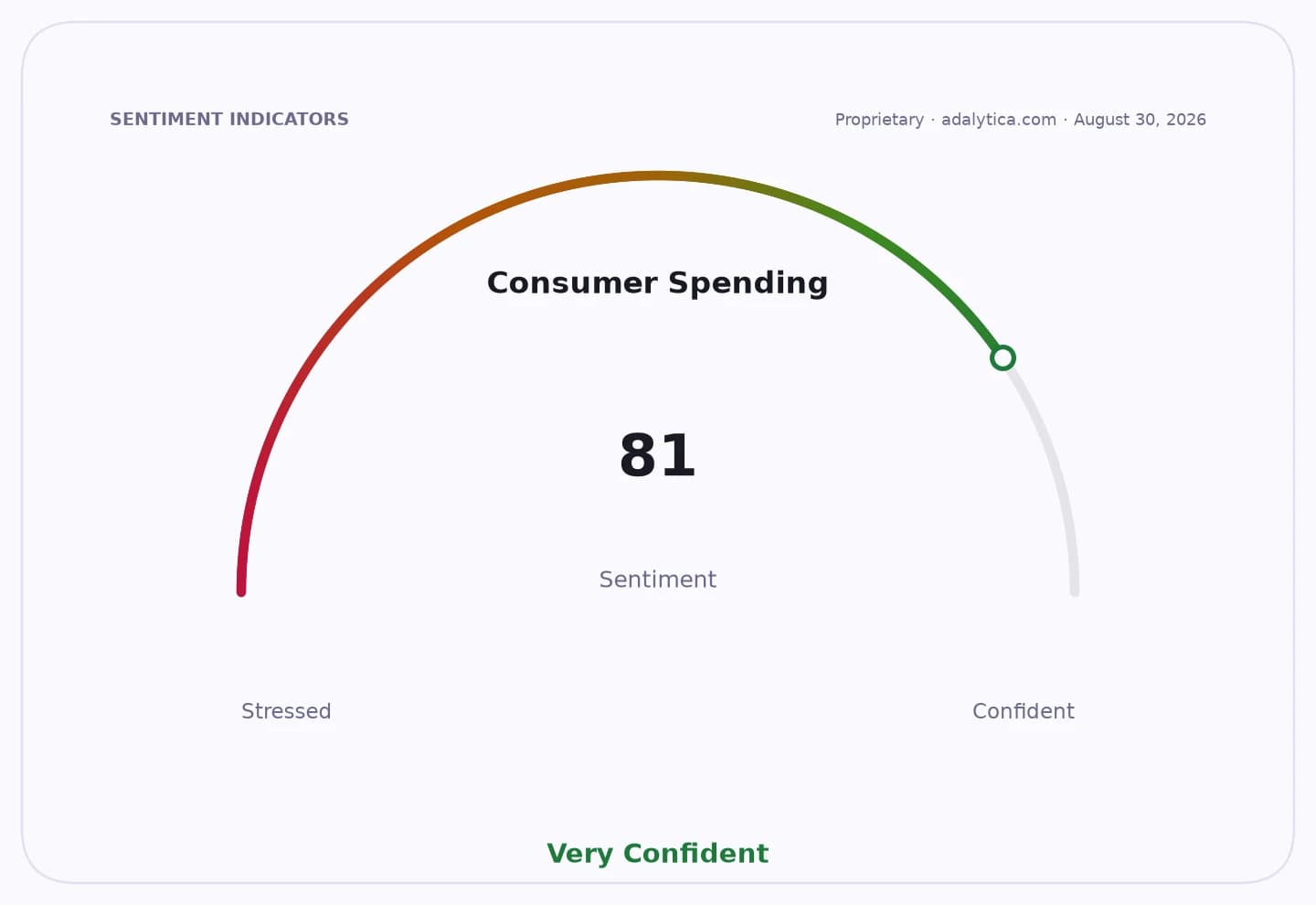
Croatia’s consumer economy got a powerful late-summer boost in August, with fiscalised receipts rising to €6.56 billion as tourists and domestic shoppers drove both transaction volumes and spending higher.
Croatia August receipts rise 17% on tourism demand
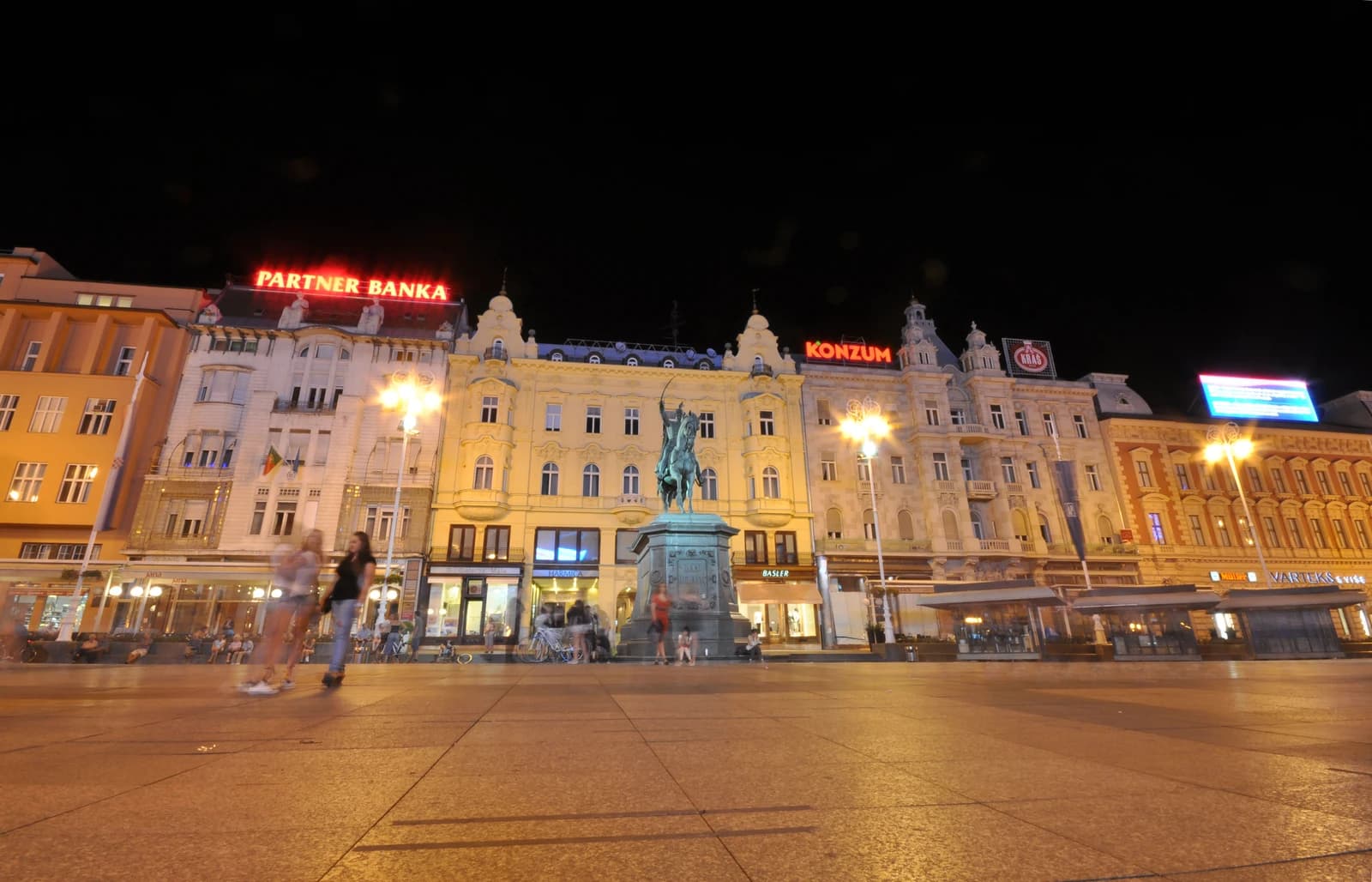
The increase matters because it points to broad-based demand, not just inflation. The Croatian Tax Administration said the value of receipts climbed 17% from a year earlier, while the number issued also rose 3.3% to 274.6 million. That combination suggests households and visitors were buying more, at least in nominal terms, during the country’s peak tourism month.
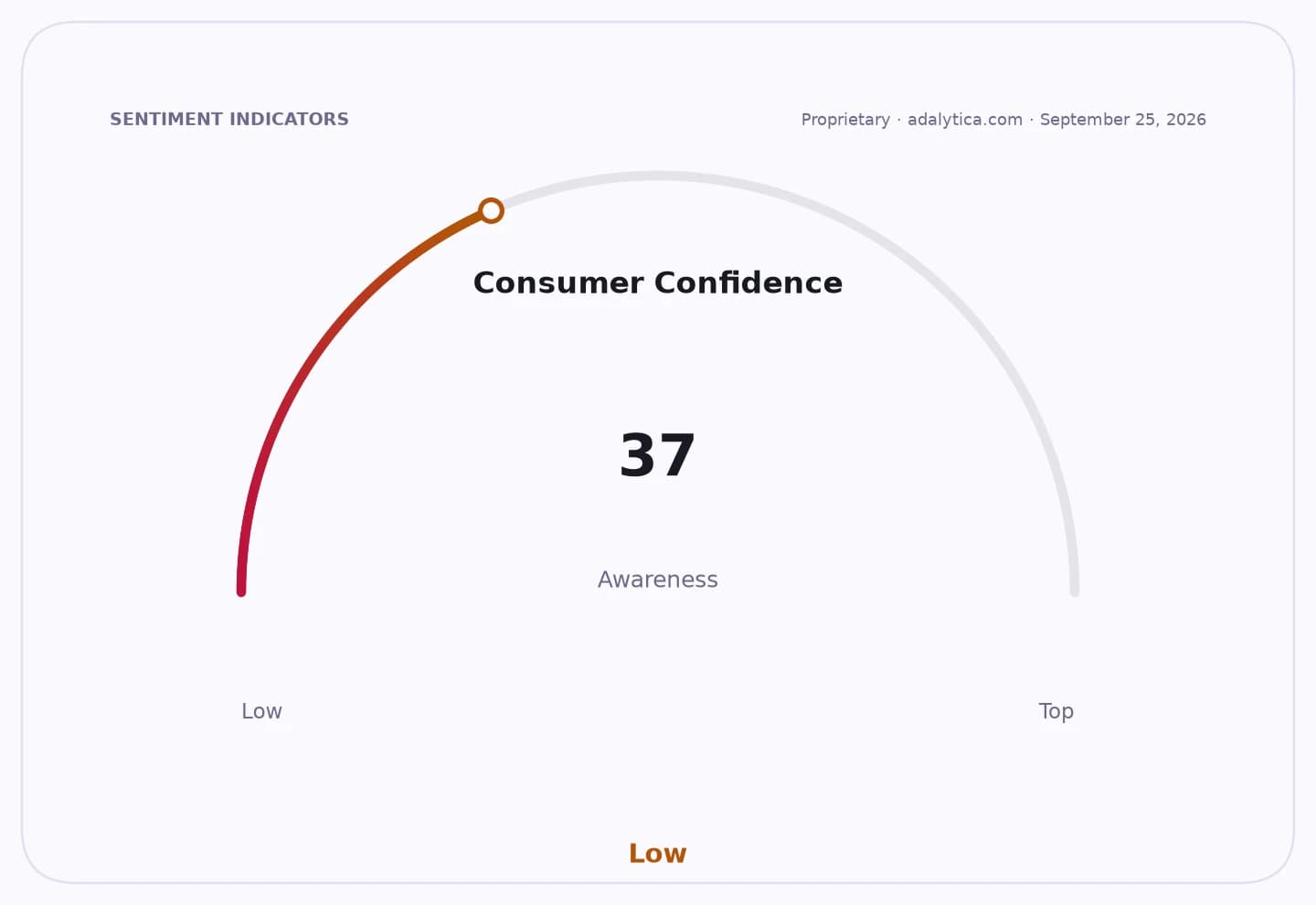
Sentiment IndicatorsⓘProprietary · adalytica.com · September 4, 2026
This is a snapshot — live sentiment, awareness and momentum for 130+ markets update continuously in the dashboard.Open AlphaPulse
Retail remained the biggest engine of activity, generating €3.56 billion from 169.9 million receipts. More important for the outlook, the number of receipts in the sector rose 2.6% and their value increased 7.8%, indicating resilient spending rather than a one-off price effect. For investors, that supports the case that Croatia’s consumption base is still being underpinned by strong summer tourism flows and a relatively healthy services sector.
Accommodation, restaurants and food services also posted a solid showing, with receipts up 6% to 65.7 million and total value rising 10.3% to €1.8 billion. That is particularly relevant for a tourism-dependent economy where hospitality drives wages, tax intake and cash flow across the wider services chain. A strong August typically feeds through to government revenue, local business earnings and seasonal employment, and this year’s numbers suggest the peak season delivered on all three fronts.
The figures also sit against a more cautious global consumer backdrop, where sentiment indicators are weak and governments are under pressure to manage fiscal strain. Against that setting, Croatia’s spending data stands out as a sign that Mediterranean tourism remains a durable source of demand even as some broader consumer gauges point to fear rather than confidence.
For markets, the immediate implication is positive for Croatian retailers, hotels, restaurants and other tourism-exposed businesses. The less favorable reading is that the economy remains highly reliant on summer consumption and foreign visitors, leaving activity vulnerable to any slowdown in travel demand, weaker wage growth or a sharper autumn retrenchment.
| Entity | Gains | Losses |
|---|---|---|
| Croatian retailers | ▲Higher sales volumes | ▼Less pricing power if demand cools |
| Hotels and restaurants | ▲Strong summer receipts | ▼Off-season demand risk |
| Croatian government | ▲Higher fiscal revenue | ▼Greater reliance on tourism taxes |
| Consumers in Croatia | ▲More seasonal activity | ▼Pressure from higher nominal spending |