Croatia’s wage bill is climbing far faster than the European Union average, adding to pressure on employers, margins and inflation just as the country leans on foreign workers to fill persistent labor gaps.
Croatia Wage Costs Rise 8.9% in Q2
Eurostat said hourly wage and salary costs in Croatia rose 8.9% in the second quarter from a year earlier, the third-strongest increase in the bloc behind only Bulgaria and Lithuania. The gain was almost three times the EU average of 3.1%, underscoring how tight labor supply is feeding through to pay at a pace that can outstrip productivity if it persists.
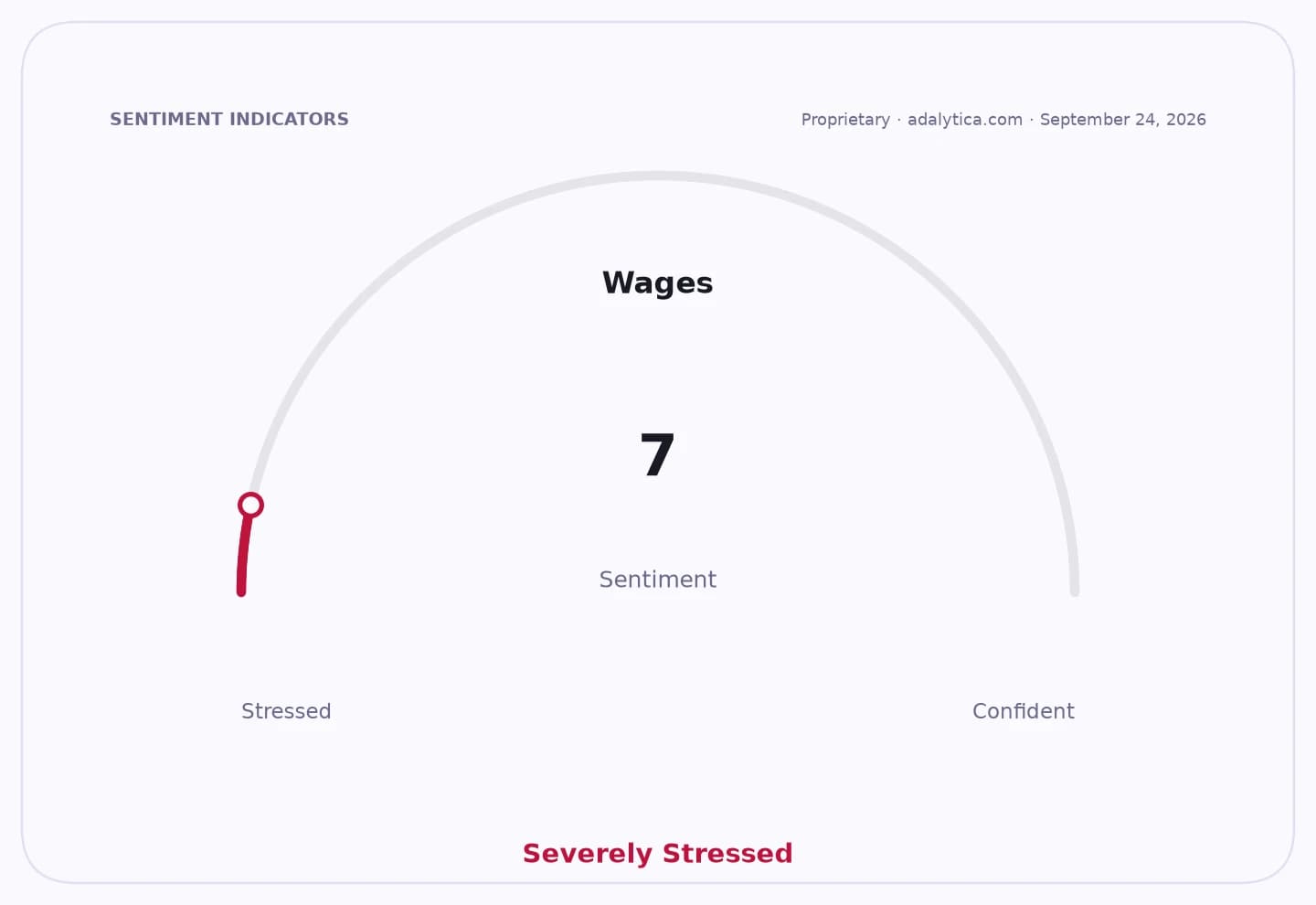
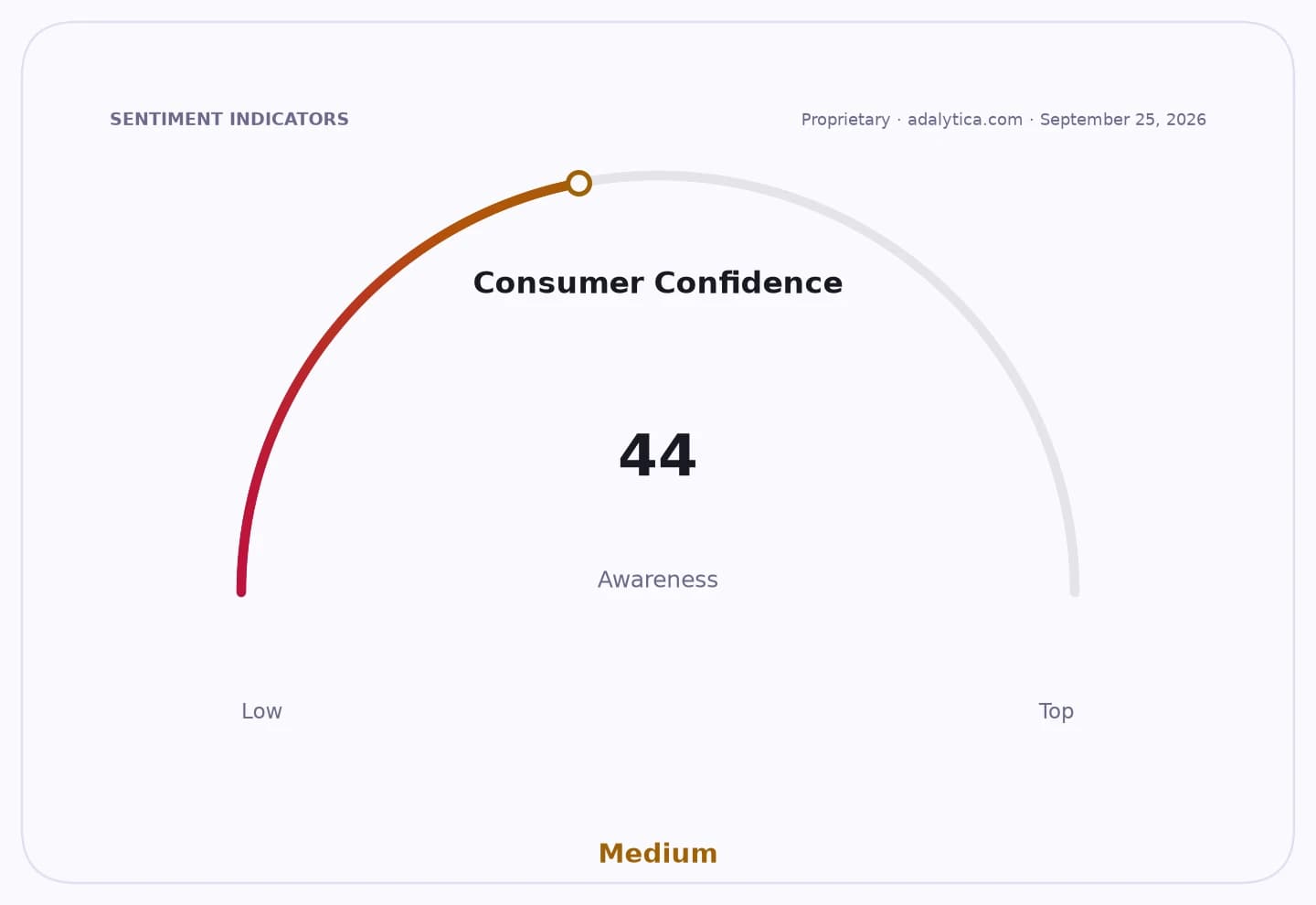
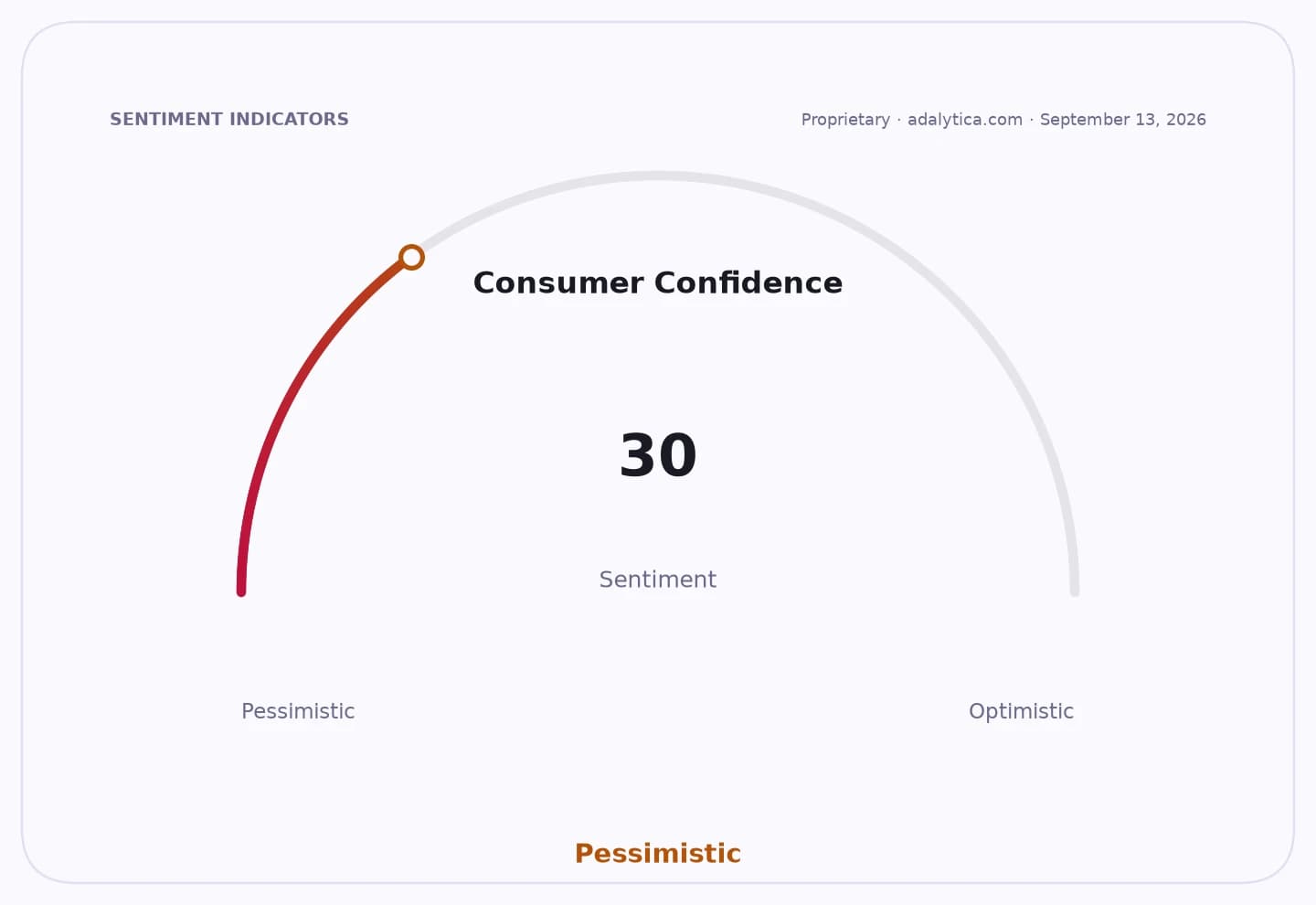
Sentiment IndicatorsⓘProprietary · adalytica.com · September 24, 2026
This is a snapshot — live sentiment, awareness and momentum for 130+ markets update continuously in the dashboard.Open AlphaPulse
The rise matters because wages are the biggest cost line for many Croatian businesses, particularly in tourism, retail, construction and other service industries that rely heavily on seasonal and lower-paid labor. Higher labor costs can squeeze profitability unless firms can lift prices, which risks keeping domestic inflation sticky and eroding the competitiveness Croatia has built as a euro-area economy with strong tourism demand and still-developing industrial capacity.
The latest figures also point to a widening divergence inside the EU. Hourly labor costs across the bloc rose 3.2%, while the euro area saw a 3.6% increase, leaving Croatia well above both benchmarks. Bulgaria and Lithuania were the only members with faster wage and salary growth, a sign that central and eastern European labor markets remain especially tight after years of emigration, demographic decline and post-pandemic hiring shortages.
For investors, the message is twofold. Croatian employers face margin pressure, especially in labor-intensive sectors where pricing power is limited and staffing shortages already force higher pay. At the same time, workers and consumer-facing companies may benefit from stronger nominal incomes, but that support could be offset if wage gains are absorbed by higher prices rather than real spending power.
The broader risk is that rapid wage growth becomes self-reinforcing: firms raise prices to protect margins, inflation stays elevated, and central bankers are left with less room to ease policy. For Croatia, where employers are already turning to more than 105,000 foreign workers to plug shortages, the challenge is less about one quarter of data than about whether labor supply can catch up before wage inflation becomes embedded.
| Entity | Gains | Losses |
|---|---|---|
| Croatian workers | ▲Higher nominal pay | ▼Real gains may be eroded |
| Croatian employers | ▲Stronger demand for labor | ▼Rising payroll costs |
| Consumers | ▲Better household income | ▼Higher prices |
| Foreign workers | ▲More job opportunities | ▼Greater policy scrutiny |