Canada’s labour market weakened in August with a loss of 42,000 jobs, reinforcing the view that Ottawa’s immigration reset is moving from a broad population-growth strategy toward a narrower bet on skilled workers who can fill shortages without worsening slack in the job market.
Canada jobs report and immigration reset
The decline matters economically because it points to softer domestic demand just as Canada is trying to manage slower growth, trade tensions with the U.S. and a labour market that is no longer tight enough to absorb unlimited new arrivals. Business and government payrolls bore the brunt of the setback, while manufacturing managed to add jobs, underscoring a split between cyclical weakness in services and more resilient industrial demand.
For investors, the message is that immigration is increasingly a labour-supply policy, not just a demographic one. Canada’s earlier growth model leaned heavily on high immigration to lift consumption, housing demand and labour-force expansion. But with unemployment pressure rising and public sentiment turning more cautious, policymakers are tilting toward selective intake in healthcare, trades, STEM and provinces such as Alberta where shortages are more acute. That could ease wage pressure in some sectors while supporting others, but it also reduces the broad-based boost to household spending that large immigration inflows once provided.
The shift has broader implications for the economy’s composition. A more targeted immigration regime may help match workers with vacancies more efficiently, especially in areas where chronic labour shortages have constrained output. It may also prove politically easier to defend if job creation stays soft. But the trade-off is slower overall labour-force growth, which could cap potential GDP and weigh on housing, retail and other demand-sensitive industries if job creation does not recover.

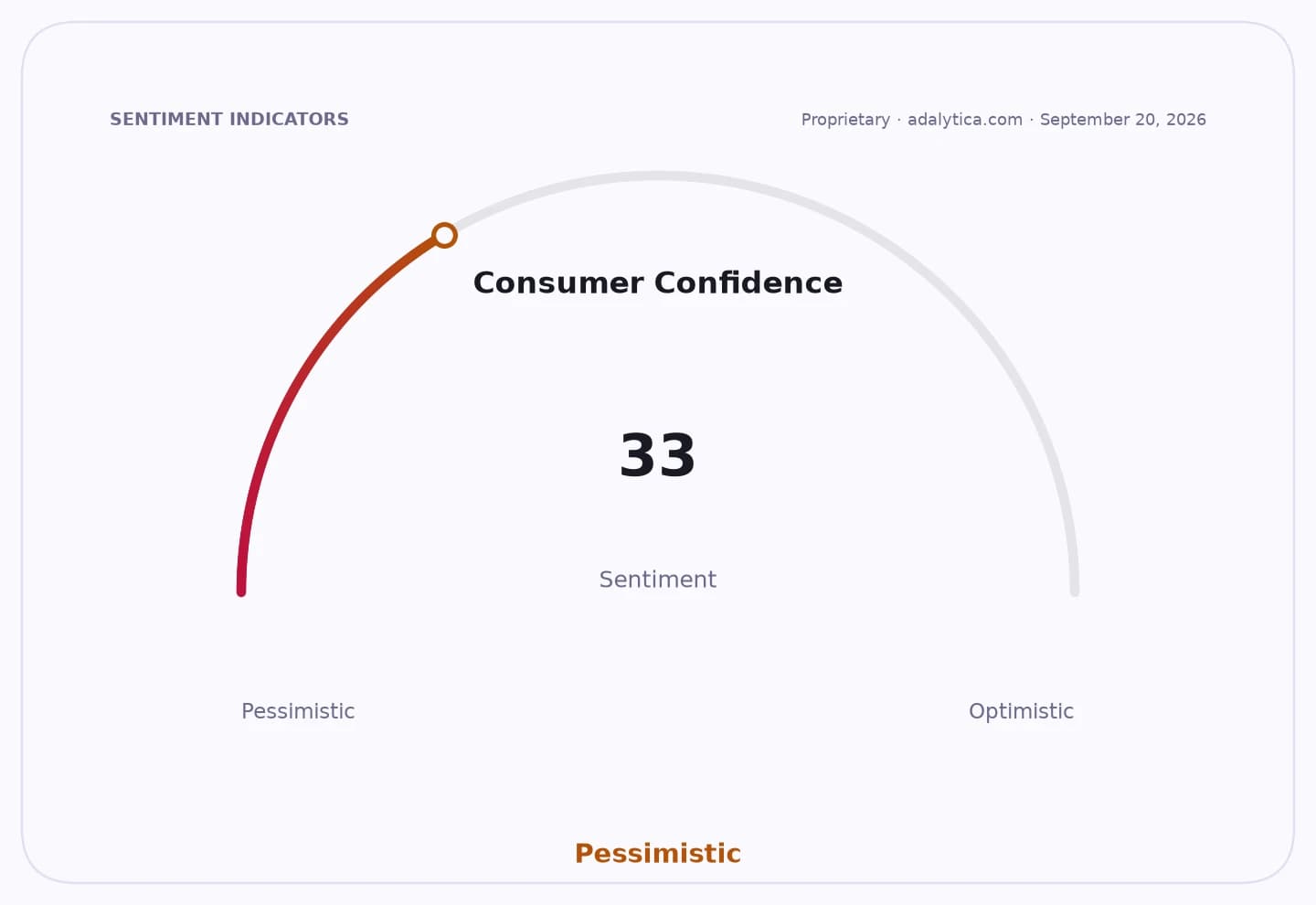
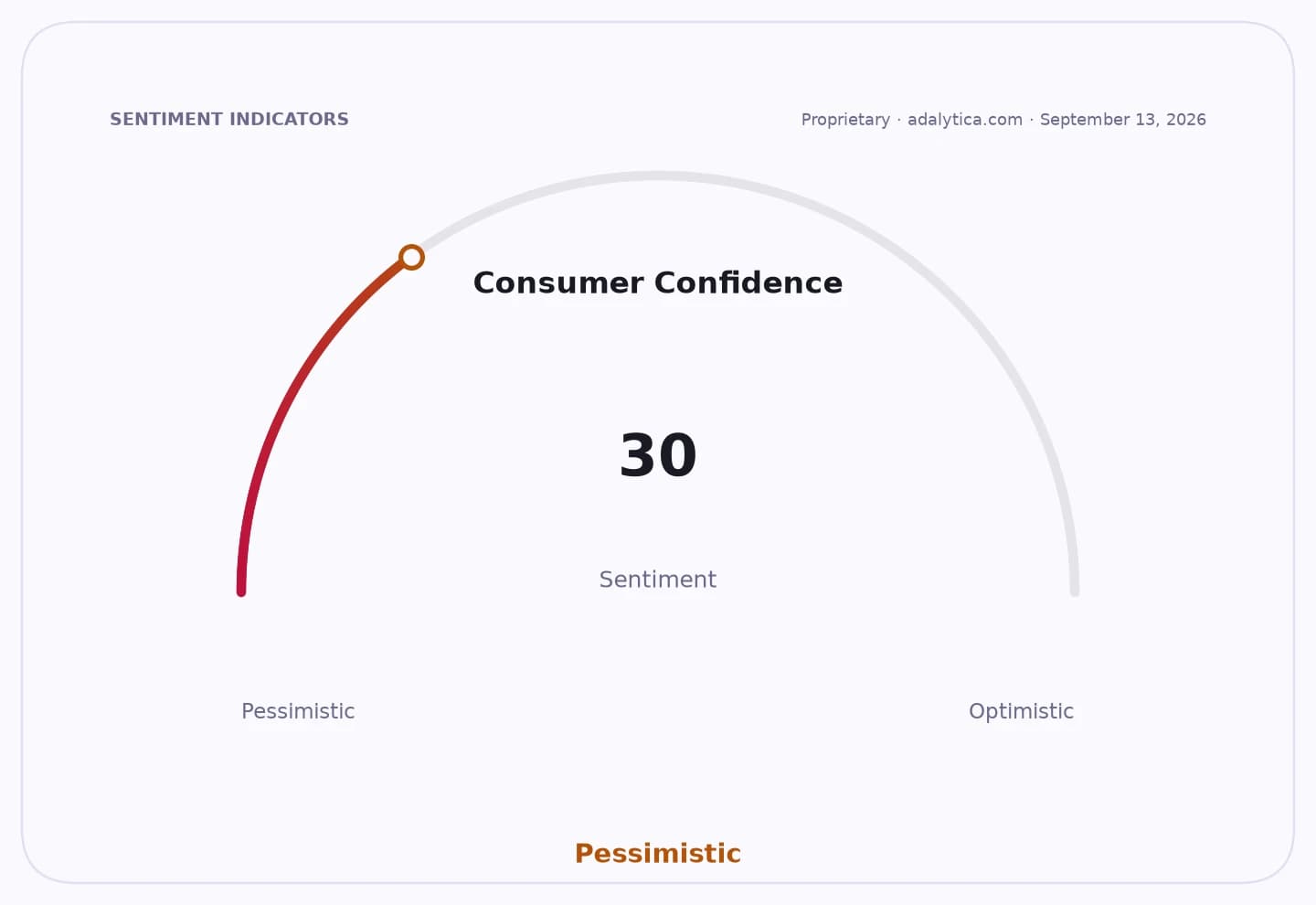
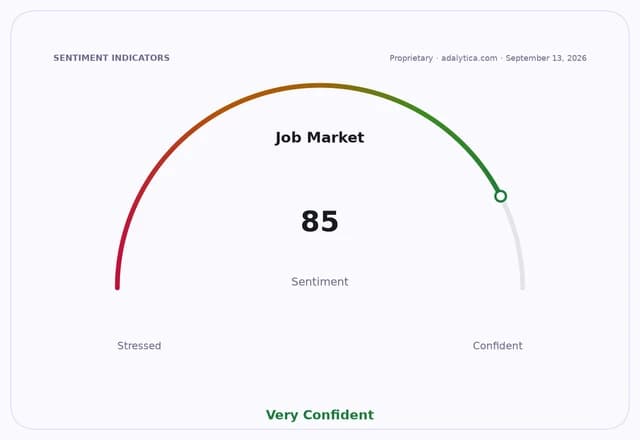
That tension is already visible in market sentiment around Canada’s economy, with measures of job-market optimism remaining elevated even as recession fears linger. The question for the next few months is whether weaker hiring proves temporary or whether it forces a deeper policy rethink on immigration levels, especially if the labour market continues to cool and growth remains uneven.
| Entity | Gains | Losses |
|---|---|---|
| Skilled immigrants | ▲Better targeted pathways | ▼Fewer broad-entry opportunities |
| Employers in healthcare, trades, STEM | ▲Easier hiring access | ▼Less overall labour supply growth |
| Canada’s policymakers | ▲More controlled labour matching | ▼Less support for headline GDP growth |
| Consumer-facing sectors | ▲Potential wage relief | ▼Slower household demand |