Niš is trying to turn Serbia’s countryside into a bigger tourism engine, and that matters because rural travel is becoming one of the country’s fastest-growing, most underpenetrated sources of income outside the main urban centers.
Niš Rural Tourism Push Expands Serbia Village Stays
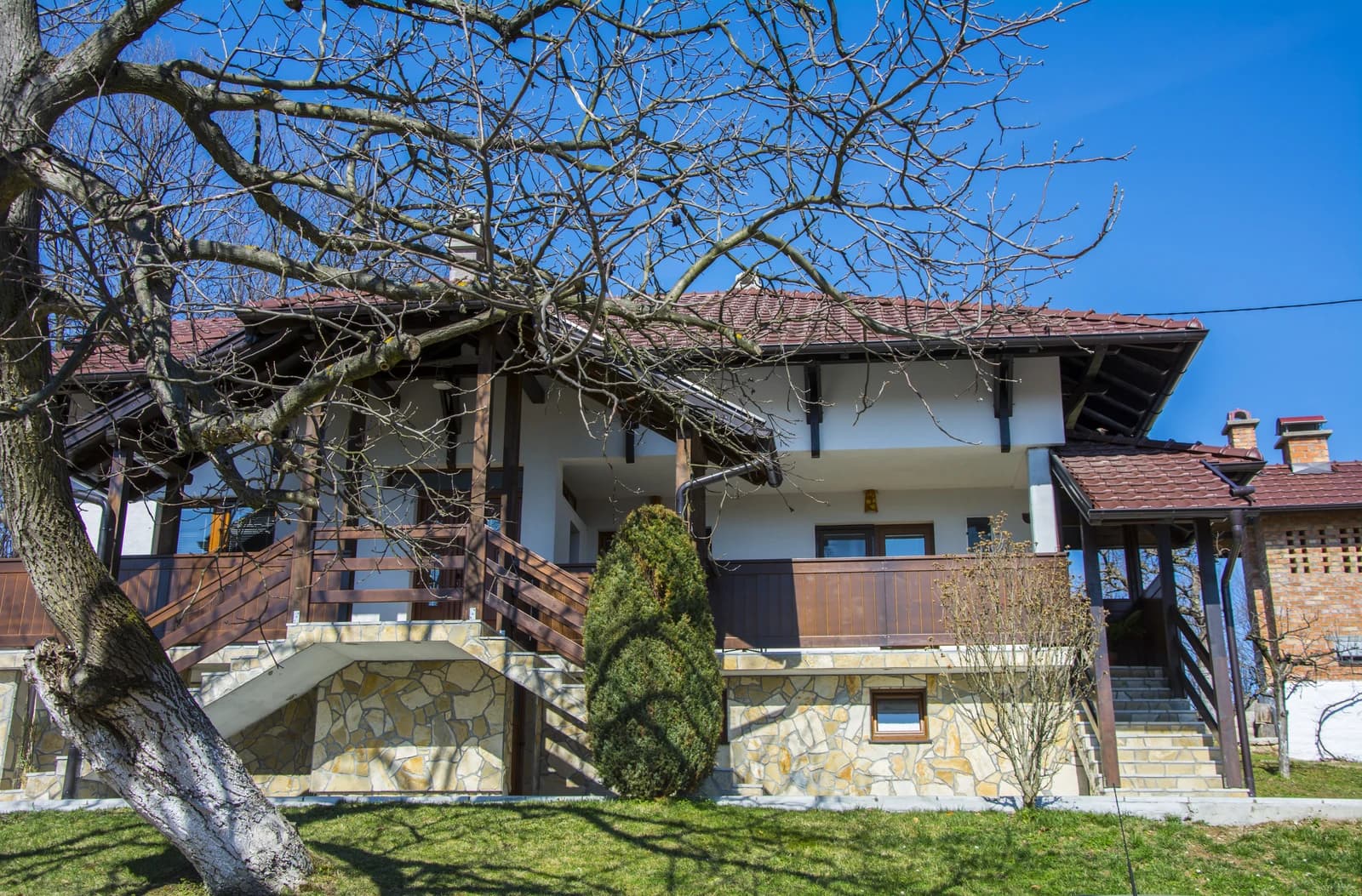
The most important development is not just a new platform called “Villages of Serbia,” but the scale of the policy push behind it. Serbia has expanded the number of categorized rural households from about 600 to 1,947, while the Ministry of Tourism set aside 256 million dinars in 2024 and another 150 million dinars a year for 2025 and 2026, with 150 million dinars planned for 2027. For investors and regional businesses, that is a clear signal that rural tourism is moving from a niche to a funded growth lane.
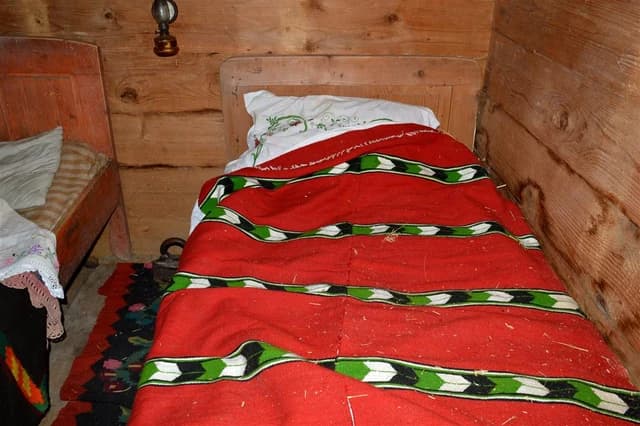
That matters economically because rural tourism spreads spending into parts of the country that have historically captured less of the visitor economy. The south of Serbia, including the Niš region, already has a large base of categorized households and stands to benefit as the platform channels demand toward villages, small operators, local food producers and transport services. The model is attractive to policymakers because it requires relatively modest capital compared with hotels or large resorts, yet can quickly lift local incomes and extend the tourism season.
The investment case is straightforward: more domestic and regional travelers, more overnight stays, and more demand for booking, payments and travel infrastructure around smaller destinations. That creates a second-order opportunity for online travel platforms, local hospitality suppliers and companies that facilitate discovery and reservations. Booking Holdings and Expedia are not direct beneficiaries in Serbia’s domestic market, but any broadening of travel inventory and rural destination awareness supports the wider theme of fragmented accommodation supply becoming more bookable online. Airbnb also benefits from the same structural shift if privately run guesthouses and countryside stays become more visible to travelers looking beyond city hotels.
The policy backdrop also matters because Serbia is not talking about a one-off campaign. The funding path stretches across four years, which suggests a multi-season effort to build rural tourism capacity rather than a short-lived promotional drive. That kind of state support can have an outsized effect in lower-income regions, where small grants and categorization standards can unlock private spending faster than large public works.
For investors, the bigger narrative is that the next leg of tourism growth in Southeast Europe may come from authenticity, proximity and lower-cost stays rather than marquee city breaks alone. If Niš and southern Serbia can convert that into a durable rural tourism corridor, the winners will be the small operators, local service businesses and digital platforms that help package them for travelers.
The market should watch whether the platform translates into measurable bookings, more categorized homes and stronger regional visitor traffic over the next two seasons. If it does, Serbia’s countryside could become a quietly attractive growth story — and an early entry point for investors looking for exposure to the region’s broader travel and consumer recovery.
| Entity | Gains | Losses |
|---|---|---|
| Rural households in southern Serbia | ▲More bookings | ▼Less obscurity |
| Niš and the south | ▲Visitor spending | ▼Dependence on city tourism |
| Online travel platforms | ▲More supply to sell | ▼Fragmented rural listings |
| Traditional city hotels | ▲Wider tourism market | ▼Some spend diverted to villages |