Vintgar Gorge’s entrance-fee income is piling up faster than officials can divide it, leaving municipalities and the Triglav National Park public institute locked in a dispute over who gets what from one of Slovenia’s busiest natural attractions.
Vintgar Gorge fee dispute delays revenue split
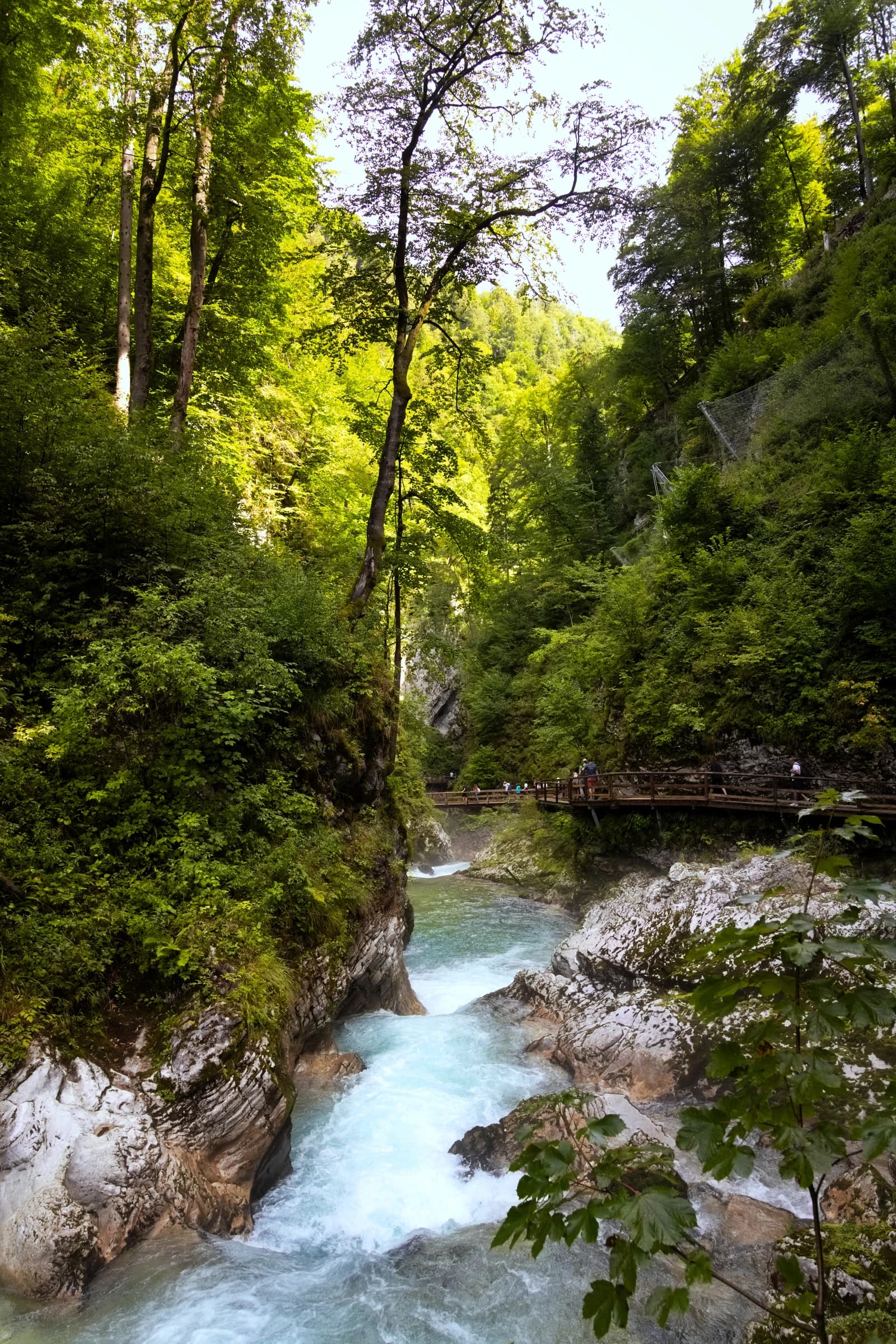
By the end of July, the gorge had drawn 207,000 visitors and collected €1.92 million in ticket revenue, but the money is still not in the park institute’s account, according to local officials. The delay matters because the law requires the proceeds to be reinvested into the protected area, public infrastructure and nature conservation, turning a popular tourism asset into a test case for how natural attractions are financed and governed.
The core fight is over deductions and the final distribution key. Under the current setup, remaining funds are meant to be split 75% to the Triglav National Park institute and 25% to the municipalities, after approved costs are taken out. Gorje mayor Peter Torkar says those costs need to be clearly verified first, warning that the way contractors are chosen and paid will directly affect how much of the revenue eventually reaches local budgets.
Bled mayor Anton Mežan is coordinating talks among the municipalities and has proposed a formula based on tourism and traffic flows, under which Bled would receive 53%, Gorje 38% and Jesenice 9% of the municipal share. That makes the gorge not just a tourism site but a local fiscal asset, with every accounting assumption carrying political weight.
For investors and operators in tourism, the dispute is a reminder that visitor demand does not automatically translate into clean cash flow. The revenue stream is real — and sizeable for a protected site — but the lack of a settled framework raises execution risk for any future operator, concessionaire or public-private arrangement tied to the gorge.
Officials expect final calculations after the season ends, likely in early November, with a deadline for a municipal agreement by Nov. 15. The park institute says it hopes to settle the issue under the new nature-conservation law, while local leaders are also preparing for a new manager to be selected through a public tender for next season.
| Entity | Gains | Losses |
|---|---|---|
| Triglav National Park institute | ▲Potential majority of remaining revenue | ▼Delayed access to funds |
| Gorje, Bled, Jesenice municipalities | ▲Share of tourism income | ▼Unclear final allocation |
| Visitors/tour operators | ▲Open attraction and continued access | ▼Policy uncertainty around fees |
| Future concession/tender bidders | ▲Defined operator role if rules settle | ▼Higher governance risk |