The auction of 436,283 tons of seized coal for Rp 179.07 billion matters because it turns a sprawling corruption case into a cash recovery event and keeps the legal pressure on one of Indonesia’s best-known coal figures while a disputed mining legacy still hangs over the sector.
Indonesia auctions seized coal tied to AKT case
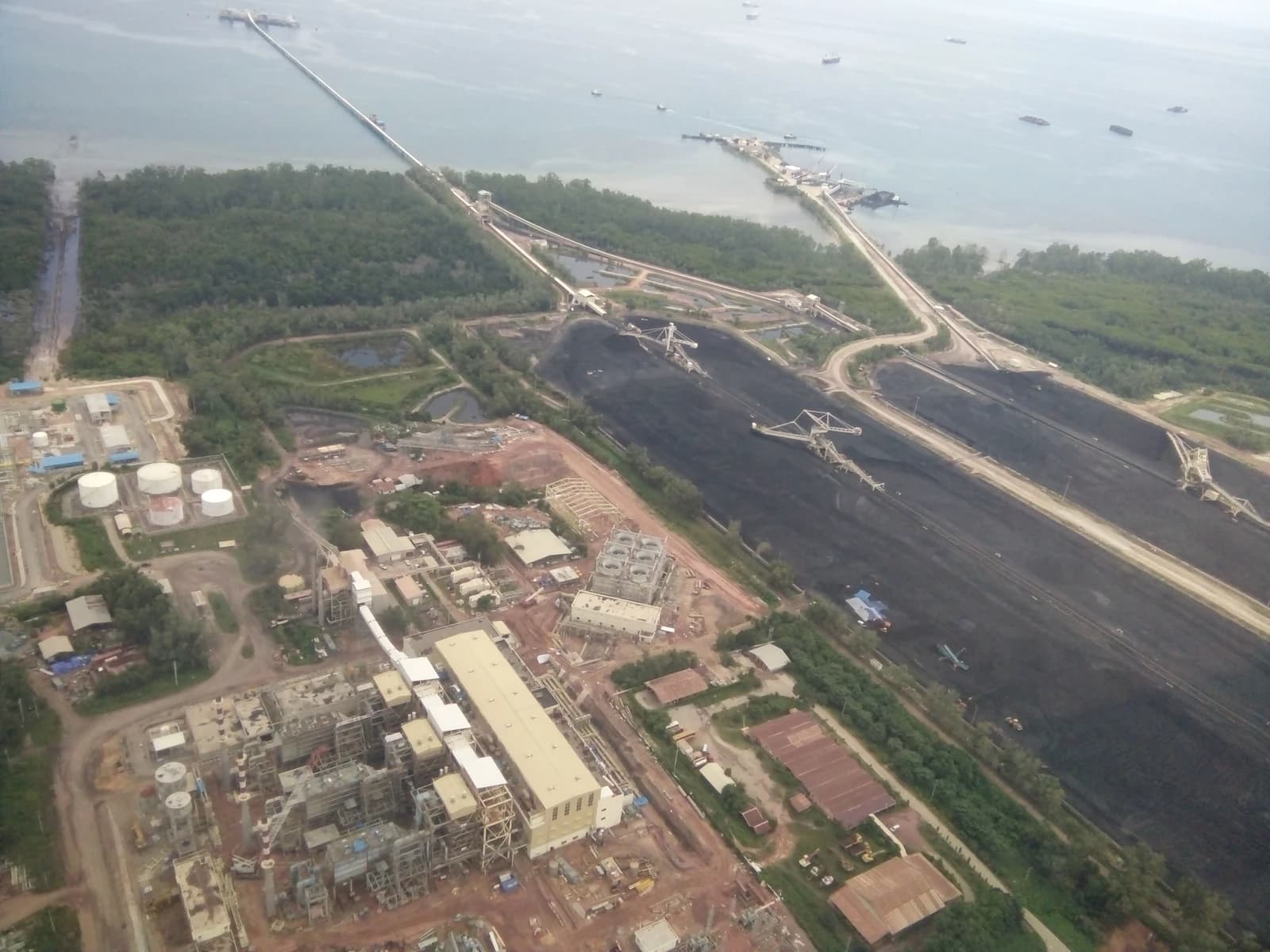
For investors, the bigger takeaway is not the sale itself but what it says about Indonesia’s enforcement risk in natural resources. When authorities can seize, auction and park proceeds from coal assets tied to alleged illegal production, it raises the stakes for miners, contractors and counterparties that depend on clean title, valid permits and stable regulatory handling. That is especially relevant in a commodity business where value can move quickly from the ground to the balance sheet, and where legal disputes can determine whether an asset produces cash flow or becomes frozen collateral.
The Attorney General’s asset recovery unit said the coal was sold through an open auction on the government’s lelang.go.id portal with seven registered bidders. Six were disqualified after failing to provide the required deposit, leaving PT Batubara Menjangan Lestari as the winner at a bid just Rp 200 million above the Rp 178.87 billion reserve price. The coal was described as a confiscated asset linked to the alleged corruption case involving Samin Tan, the beneficial owner of PT Asmin Koalindo Tuhup, or AKT.
That context matters because the underlying case is not small. Prosecutors have alleged that AKT kept mining and selling coal even after its permit was revoked in 2017, using invalid permits and allegedly working with officials with oversight responsibilities. Authorities say the state suffered losses of as much as Rp 17.7 trillion. Whether or not that figure holds up through the legal process, the auction shows the government is willing to convert disputed mineral assets into recoverable value long before a case is fully resolved.
For the coal market, the immediate financial impact is limited. Rp 179 billion is modest relative to Indonesia’s coal industry, and the auctioned tonnage is small compared with annual production. But the signal to the market is more important than the number: enforcement around mining rights, production legality and asset recovery is active, not theoretical. That can matter for valuations in a sector where license security and political risk are always part of the discount rate.
The stock tape suggests investors are already pricing in caution. Shares of Indonesia’s INDO have recently been under pressure, with the stock trading below both its 50-day and 200-day moving averages, while RSI readings near the low 30s point to weak momentum. That does not make the auction a trading catalyst by itself, but it does show how sensitive coal-linked names can be to legal, regulatory and sentiment shocks.
Long term, the story is a reminder that coal companies in Indonesia are not just exposed to prices and demand. They are exposed to the durability of permits, the quality of governance and the government’s willingness to reclaim value when mining disputes turn criminal. For investors, that means any bullish thesis on the sector has to include more than commodity fundamentals. It has to account for legal survivability, not just resource quality.
| Entity | Gains | Losses |
|---|---|---|
| Indonesian state prosecutors | ▲Cash recovery and enforcement credibility | ▼Administrative burden of managing seized assets |
| PT Batubara Menjangan Lestari | ▲Coal supply at reserve-plus pricing | ▼Exposure to legal and reputational scrutiny |
| Samin Tan / PT AKT | ▲— | ▼Asset loss, legal pressure, weaker negotiating power |
| Coal-sector investors | ▲Clarity that disputed assets can be monetized | ▼Higher perceived regulatory and title risk |