Indonesia has finally cleared the last government bonds issued to deal with the 1997-1998 financial crisis, but investors should not confuse that milestone with the end of the country’s BLBI legacy.
Indonesia clears crisis bonds, BLBI recoveries continue

The Finance Ministry says the debt tied to crisis handling was fully paid off in August 2026, using a Rp58 trillion surplus from Bank Indonesia that was transferred to the state treasury after the central bank’s 2025 audit. That closes one of the most expensive fiscal chapters left from the Asian financial crisis, and it matters because it removes a long-dated government obligation that has hung over public finances for decades.
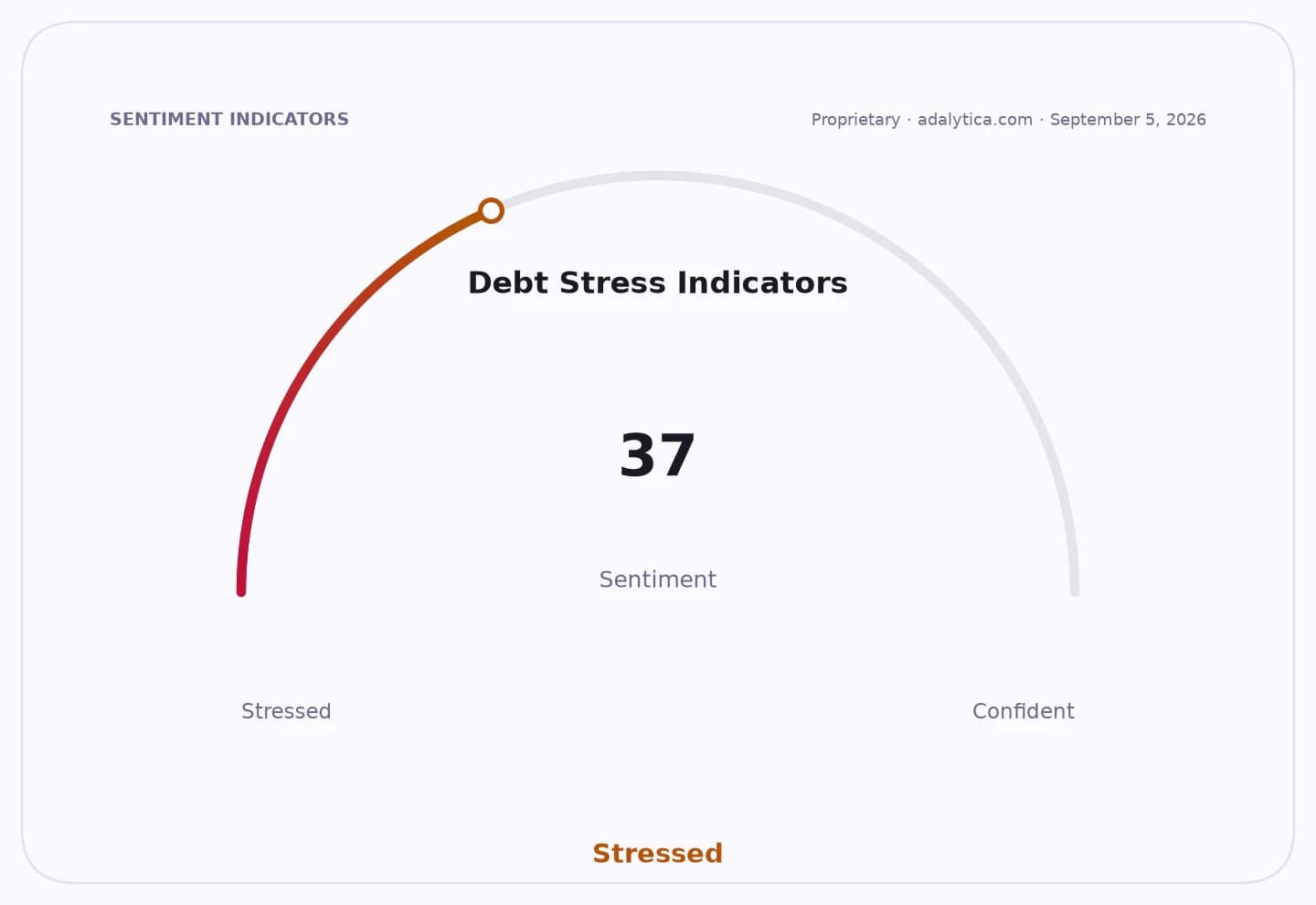
Sentiment IndicatorsⓘProprietary · adalytica.com · September 26, 2026
This is a snapshot — live sentiment, awareness and momentum for 130+ markets update continuously in the dashboard.Open AlphaPulse
But the real economic story is that the balance sheet cleanup is only partial. BLBI, or Bank Indonesia liquidity support provided to troubled banks during the 1998 crisis, still involves the state’s claim on assets and borrowers. Officials say the government is still chasing about Rp110.45 trillion in recoveries from obligors and debtors through tracing efforts, asset seizures and settlements. In other words, one side of the crisis has been paid for by the government, while the other side remains a collection exercise.
That distinction matters to investors because it speaks to Indonesia’s broader fiscal credibility. Paying off the crisis bonds shows the state can honor old obligations, which supports confidence in sovereign debt management over the long run. But the unfinished BLBI recovery process also shows how messy post-crisis asset cleanup can be, and how much value may still be tied up in legal disputes, old bank failures and slow-moving enforcement.
For markets, the immediate takeaway is not a trading catalyst so much as a governance signal. Indonesia is still working through the financial architecture left behind by the 1997-1998 collapse, even as the economy has moved far beyond it. That is important for bondholders, because steady and disciplined debt management tends to compress risk premia over time. It also matters for equity investors, especially those looking at banks and state-related assets, because the pace of asset recovery and legal finality can affect confidence in the broader financial system.
The Bloomberg-style read-through is simple: Indonesia has closed the book on one crisis liability, but not on the full crisis settlement. The government’s debt is gone; the state’s claims are not. For long-term investors, that is a reminder that fiscal cleanup can take decades, but each completed step strengthens the investment case for a more mature and more credible Indonesia. Worth watching, and worth keeping on the watchlist for anyone invested in Indonesian sovereign assets, banks or the rupiah.
| Entity | Gains | Losses |
|---|---|---|
| Indonesian government | ▲Cleaner debt profile | ▼Ongoing recovery work |
| Bank Indonesia / state treasury | ▲Fiscal surplus deployed | ▼Cash transferred out |
| BLBI obligors and debtors | ▲Chance to settle claims | ▼Greater collection pressure |
| Bond investors in Indonesia | ▲Stronger fiscal credibility | ▼No immediate yield windfall |