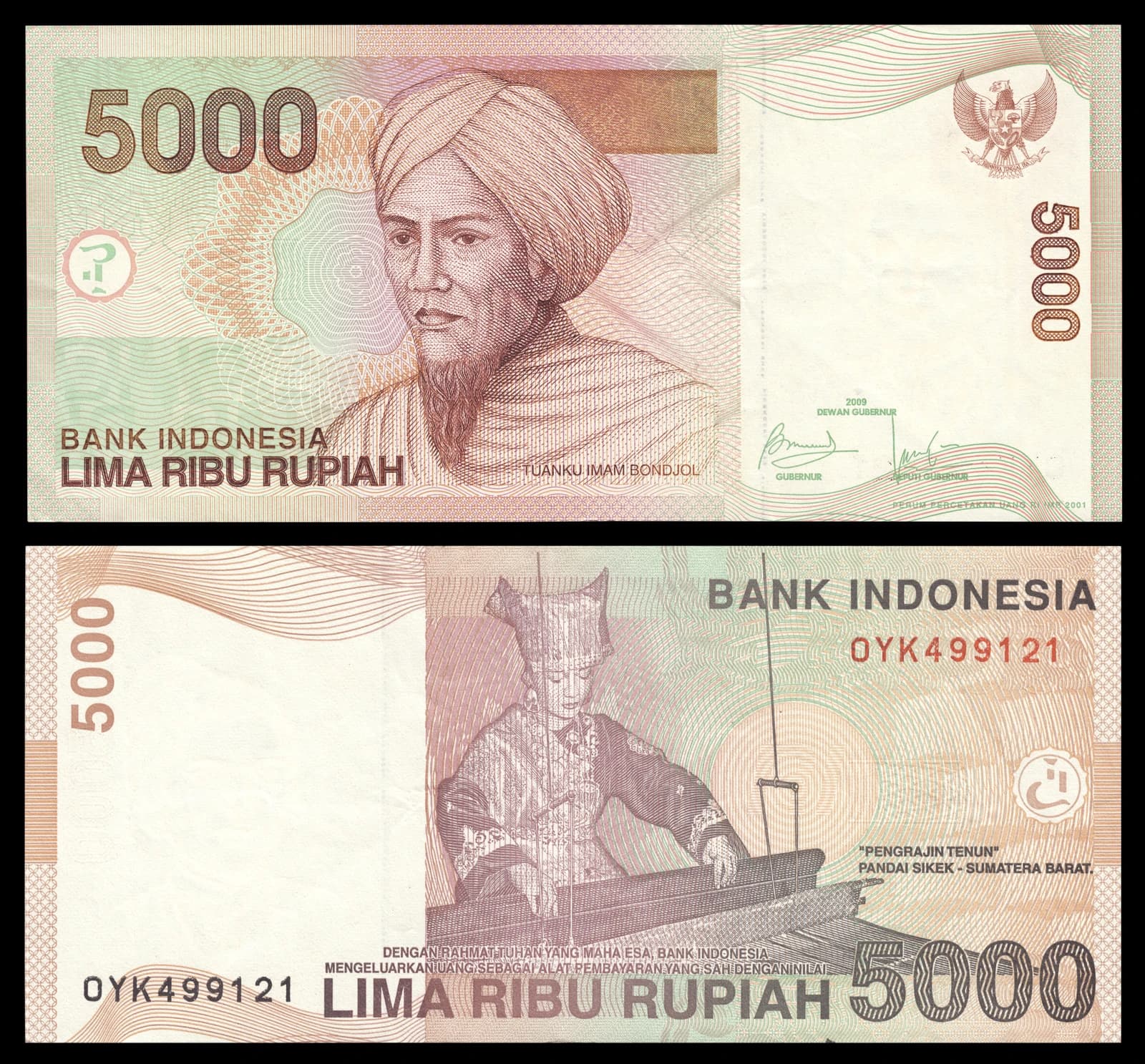
Indonesia has finally cleared the Rp 640 trillion of government debt issued during the 1997-98 Asian financial crisis, after using a Rp 55 trillion Bank Indonesia surplus transfer to settle the last remaining obligations, Finance Ministry officials said.
Indonesia Clears Rp 640 Trillion Crisis-Era Debt

The payoff closes a long-running fiscal chapter from the crisis-era bailout and recapitalization of the banking system, removing a historical liability that had hung over the sovereign balance sheet for nearly three decades. Deputy Finance Minister Suahasil Nazara said the surplus, confirmed in BI’s 2025 audited books, was transferred to the state and then earmarked under law for repayment of debt tied to the 1997-98 rescue effort.
Sentiment IndicatorsⓘProprietary · adalytica.com · September 20, 2026
This is a snapshot — live sentiment, awareness and momentum for 130+ markets update continuously in the dashboard.Open AlphaPulse

For investors, the significance is less about an immediate market reaction than about what the milestone says on Indonesia’s public finances and policy coordination. The government is signaling that it can use central bank profits to retire old crisis debt without adding to new borrowing, reinforcing the credibility of a debt path that has already improved enough for public debt to fall below 100% of GDP in July, the first such reading since February 2020.
Officials said the repayment completed the final settlement in August, after earlier rekapitalization bonds had been retired in July and in previous years. The move also underscores the unusual structure of Indonesia’s post-crisis clean-up, in which liabilities created to stabilize the banking system were held for decades and then gradually extinguished as fiscal and central bank finances improved.
For bondholders, the story is a reminder that Indonesia is moving further away from the emergency financing structures of the late 1990s and toward a more conventional sovereign debt profile. That can help support confidence in local-currency debt, even if it does not change the near-term supply outlook or broader funding needs.
The next focus is whether the government continues to use future BI surpluses to reduce legacy liabilities or redirect them to other budget priorities, while markets watch for any impact on issuance plans, reserve management and the broader fiscal stance.
| Entity | Gains | Losses |
|---|---|---|
| Indonesian government | ▲Cleaner balance sheet | ▼Less flexible use of BI surplus |
| Bank Indonesia | ▲Legacy claims settled | ▼Surplus transferred out |
| Bond investors | ▲Stronger sovereign credibility | ▼Fewer crisis-era debt instruments |
| Taxpayers | ▲Lower historical burden | ▼No direct cash benefit now |