Indonesia’s plan to raise Rp876 trillion in new debt in 2027 is drawing sharp scrutiny because about Rp650.3 trillion of that amount would be needed just to pay interest, underscoring how fast debt-service costs are crowding out room for spending.
Indonesia 2027 Debt Plan Faces Interest Cost Scrutiny

The warning lands at a sensitive moment for Southeast Asia’s largest economy, where higher borrowing costs and a weaker tax base are forcing the government to rely more heavily on debt to keep the budget funded. CORE Indonesia economist Dipo Satria Ramli said the calculation implies roughly 74% of the new borrowing would be used to cover interest payments, a sign that the country is drifting toward a “borrow to pay interest” cycle.
Sentiment IndicatorsⓘProprietary · adalytica.com · September 19, 2026
This is a snapshot — live sentiment, awareness and momentum for 130+ markets update continuously in the dashboard.Open AlphaPulse

That arithmetic matters because debt service is not a discretionary line item. The 2027 interest bill would be the highest in at least five years and is projected to rise 11.69% from an expected Rp582.2 trillion in 2026, according to the finance ministry’s budget documents. Of the 2027 total, Rp589.68 trillion would go to domestic debt and Rp60.63 trillion to foreign borrowing.
For investors, the issue is less the headline size of the borrowing plan than the fiscal signal it sends. A budget in which interest costs approach the size of transfer payments to regions — Rp735 trillion in the latest draft, according to the regional chamber DPD — suggests less flexibility for infrastructure, social spending and growth support if revenue underperforms.

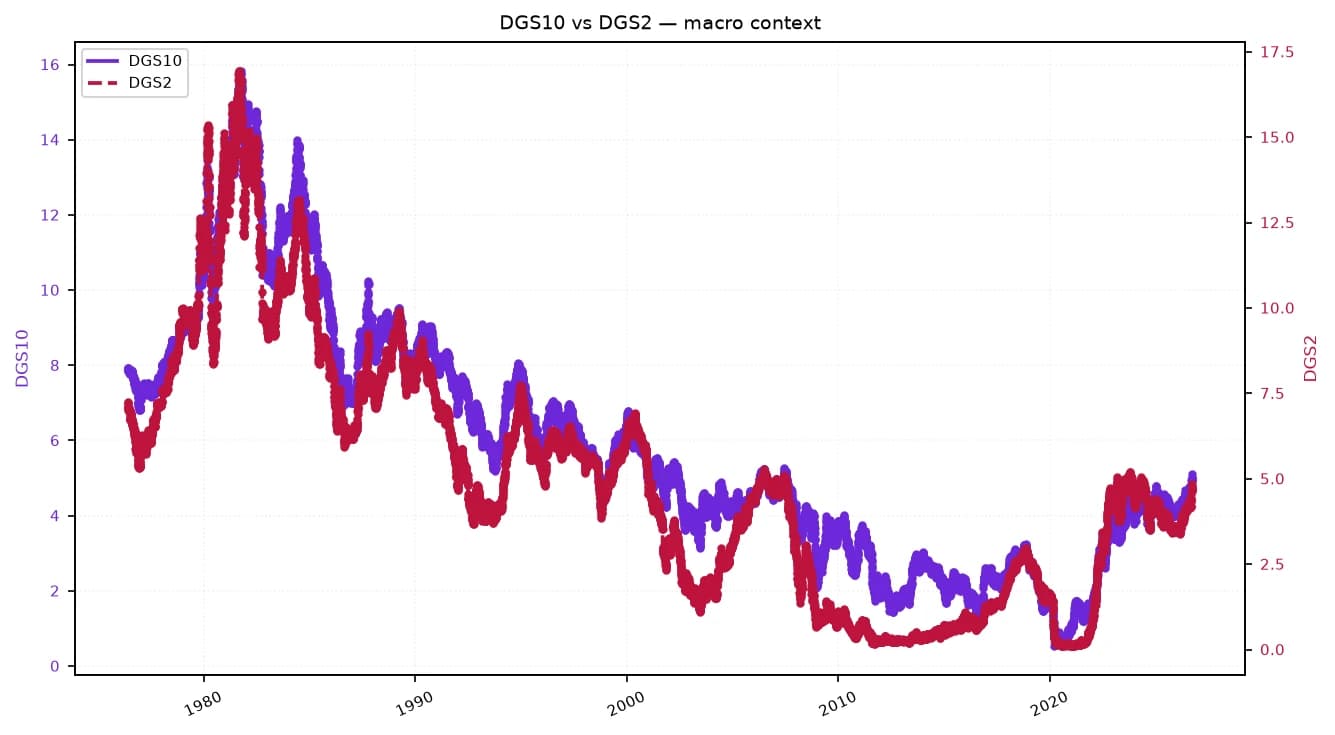
The concern also feeds into how markets price Indonesian risk, from sovereign bonds to the rupiah and locally listed financial assets. Indonesia ETF EIDO was last around $12.47, while the 10-year U.S. Treasury yield stood near 4.98%, a reminder that global funding conditions remain tight even before local fiscal pressures are layered on.
The government still needs to prove it can stabilize debt service without slowing growth. The next test will be whether the 2027 budget can lift tax collection enough to ease borrowing needs, or whether rising interest costs keep absorbing an ever-larger share of public resources.
| Entity | Gains | Losses |
|---|---|---|
| Indonesian bondholders | ▲More coupon income | ▼Greater fiscal risk |
| Indonesia government | ▲Near-term funding access | ▼Budget flexibility |
| Regional governments | ▲Potentially protected transfers | ▼Crowded-out fiscal space |
| Equity investors in Indonesia | ▲None | ▼Higher sovereign-risk premium |