Indonesia’s drive to restructure the debt burden behind the Whoosh high-speed rail line moved back into focus after senior minister Luhut Binsar Pandjaitan said he raised repayment terms directly with China’s top planning agency during a visit to Beijing.
Indonesia Whoosh debt talks move to restructuring
That matters because the project’s liabilities have become more than a transport issue: they are now a test of how Indonesia manages state-linked debt, how it handles its economic partnership with China, and how much fiscal room the government has as it takes ownership of the problem. For investors, the key question is not whether Whoosh keeps running — it is how much of the repayment burden ultimately lands on the public balance sheet and whether the terms can be stretched far enough to limit pressure on state finances.
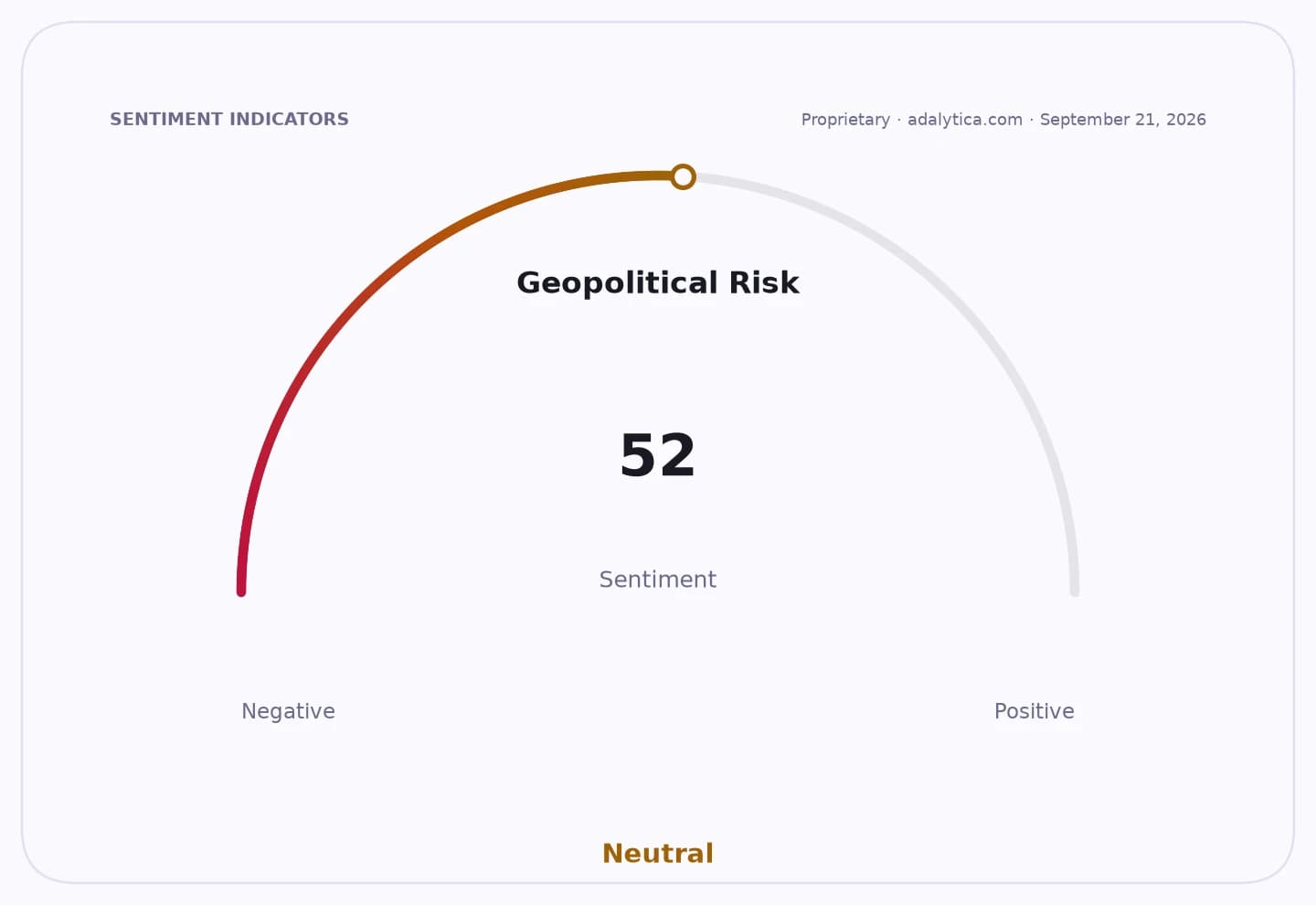
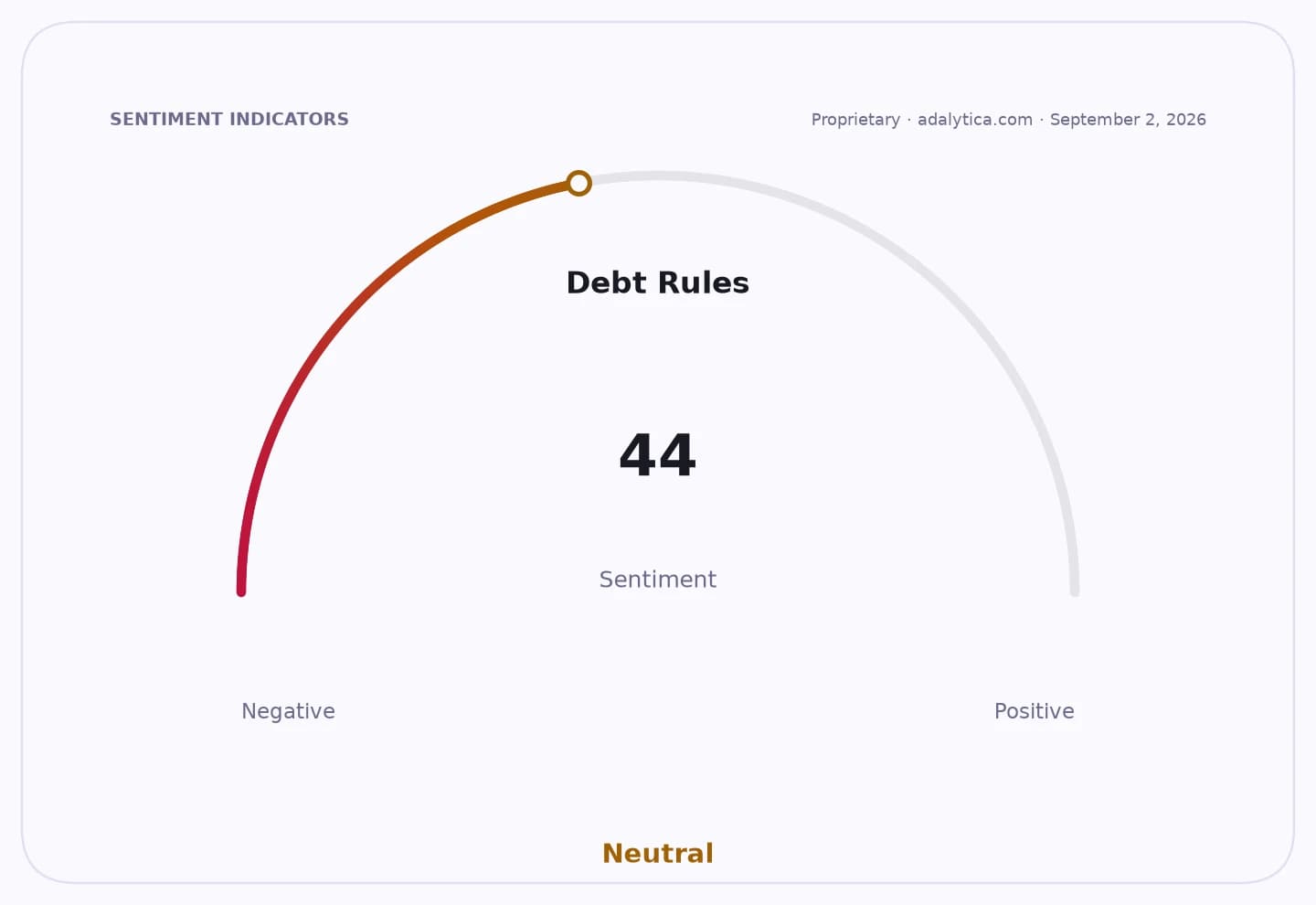
Sentiment IndicatorsⓘProprietary · adalytica.com · September 22, 2026
This is a snapshot — live sentiment, awareness and momentum for 130+ markets update continuously in the dashboard.Open AlphaPulse
Luhut said he discussed the “Whoosh debt issue” with Zheng Shanjie, chairman of China’s National Development and Reform Commission, and claimed Beijing was not opposed to the repayment mechanism being worked out. He also said President Prabowo Subianto had given the green light and that the finance ministry, economic ministry and state asset fund Danantara were already in the loop. In other words, the political decision appears to have been made; what remains is the technical execution.
The structure being discussed is crucial. Former finance minister Purbaya Yudhi Sadewa said the restructuring would use installments of about 1 trillion rupiah a year over as long as 80 years, a timetable that would dramatically soften the near-term fiscal hit even if it extends the liability for decades. That would make the burden manageable in annual budget terms, but it also suggests the state is effectively converting a difficult infrastructure obligation into a very long-dated public sector commitment.
The government is also preparing to take over 60% of PT Kereta Cepat Indonesia China, the company behind Whoosh, through the state-owned enterprise consortium PT Pilar Sinergi BUMN Indonesia. The remaining 40% would stay with the Chinese consortium Beijing Yawan HSR Co. Ltd. That ownership shift is important for two reasons: it clarifies who controls the asset, and it increases the likelihood that the state will have to absorb more of the financing risk that came with the project from the outset.
Due diligence and valuation work are already under way at the finance ministry on the PSBI stake that would be transferred. That suggests the government is still determining the scale of the write-down or recapitalization needed to make the transaction work. Rosan Roeslani, chief executive of Danantara Indonesia, has said the handover process will continue despite the change in finance minister, signaling policy continuity even as the cabinet changes around it.
For markets, the immediate read-through is mixed. On the bullish side, a negotiated restructuring lowers the risk of a disorderly dispute with China and reduces the chance of a sudden fiscal shock. It also keeps a politically sensitive flagship infrastructure project operating without forcing an abrupt recognition of losses. On the bearish side, the fact that the state is moving to assume control and potentially extend payments over 80 years underscores that the project has not generated enough cash flow to service itself on commercial terms.
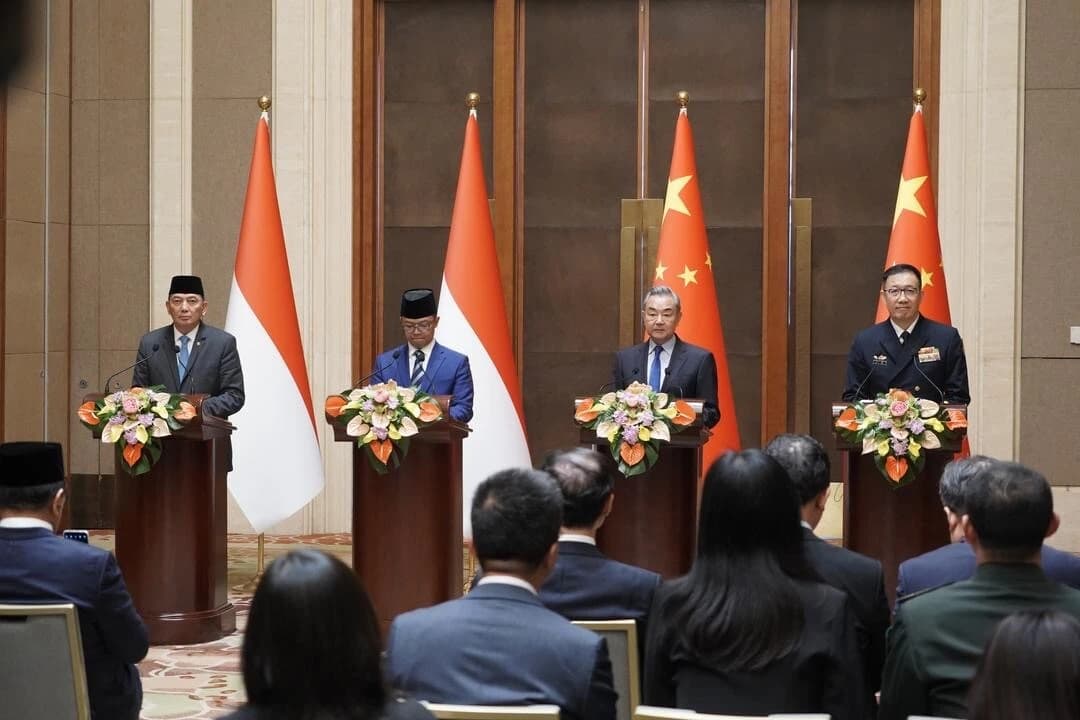
There is also a broader geopolitical angle. Luhut’s trip to China, which included meetings with Wang Yi, Wang Dongfeng and the NDRC chief, shows the issue is being handled as part of a wider bilateral relationship, not just a narrow debt workout. For Jakarta, that may improve the odds of a cooperative outcome. For investors, it also means the final terms may reflect diplomacy as much as finance.
The stakes go beyond Whoosh itself. The project has become a symbol of how Indonesia balances growth ambitions, state intervention and debt discipline. If the restructuring is completed on soft terms, it may preserve confidence in the government’s willingness to back strategic infrastructure while limiting immediate fiscal strain. If the eventual cost proves larger than expected, it could reignite concern over how much contingent liability is building up inside Indonesia’s state sector.
| Entity | Gains | Losses |
|---|---|---|
| Indonesian government | ▲Avoids default shock | ▼Assumes longer fiscal burden |
| China/Beijing lenders | ▲Preserves cooperation | ▼Faces repayment stretch |
| Whoosh/rail operations | ▲Funding clarity | ▼Commercial independence |
| State-owned shareholders | ▲Gains control | ▼Risks valuation hit |