Indonesia’s multifinance companies are pulling back from the bond market as higher borrowing costs and slower loan growth make fresh issuance less attractive, even though a heavy refinancing wall still keeps deals alive through year-end.
Indonesia multifinance bond issuance slows in 2026
Pefindo said multifinance bond issuance fell 41.8% year on year to Rp14.57 trillion in July 2026, a sharper drop than the 16.2% decline in total corporate debt issuance. The sector’s share of overall issuance slipped to about 13.0% from 18.7% a year earlier, underscoring how quickly funding conditions have tightened for lenders that rely on the capital market.
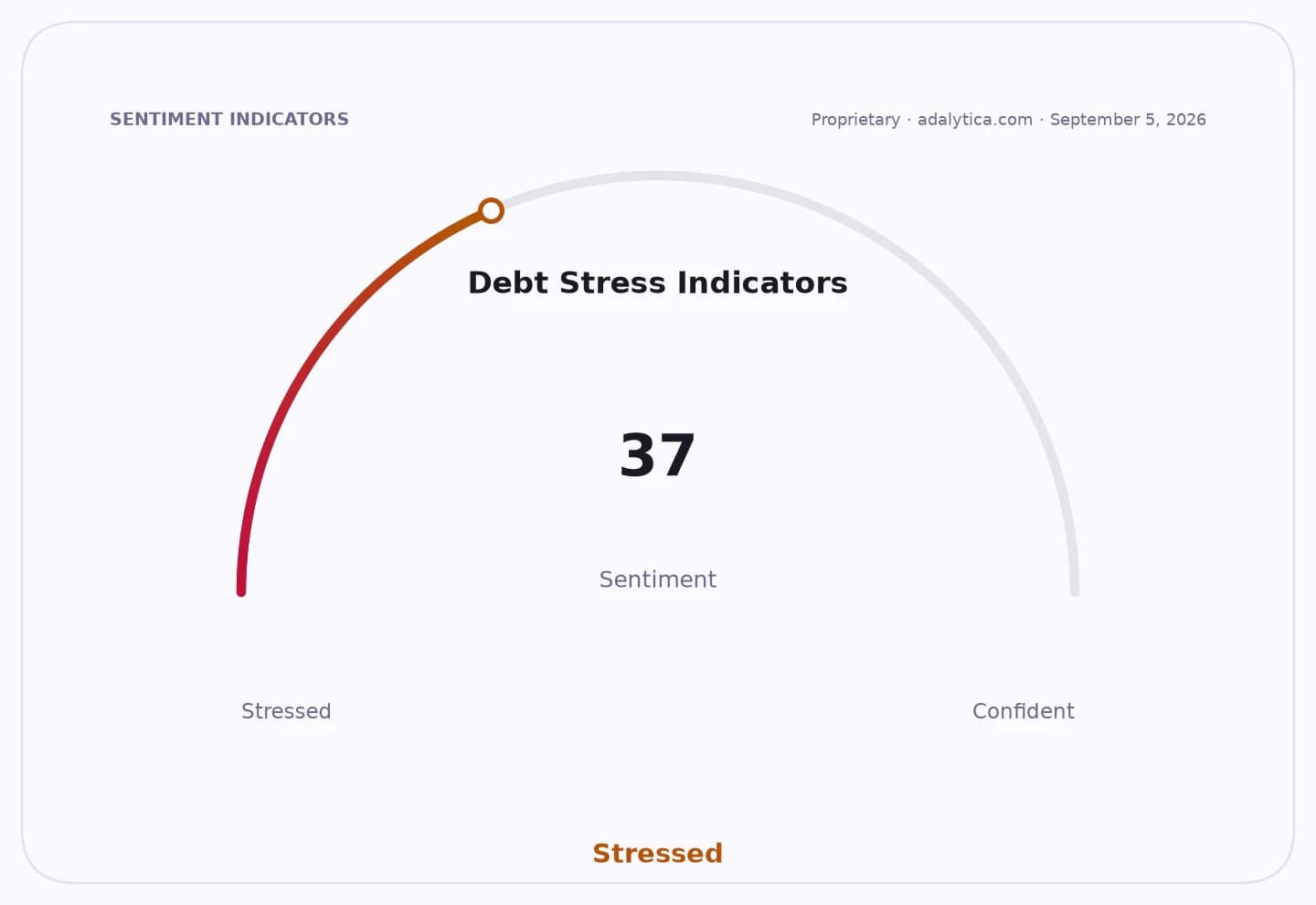
Sentiment IndicatorsⓘProprietary · adalytica.com · September 5, 2026
This is a snapshot — live sentiment, awareness and momentum for 130+ markets update continuously in the dashboard.Open AlphaPulse
The slowdown is not just a weak-July story. Pefindo said issuance remained solid through May, rising 19.3% year on year to Rp12.93 trillion, before June and July added only about Rp1.64 trillion combined. Analysts said the comparison was also distorted by a high base in June-July 2025, when issuance was much stronger.
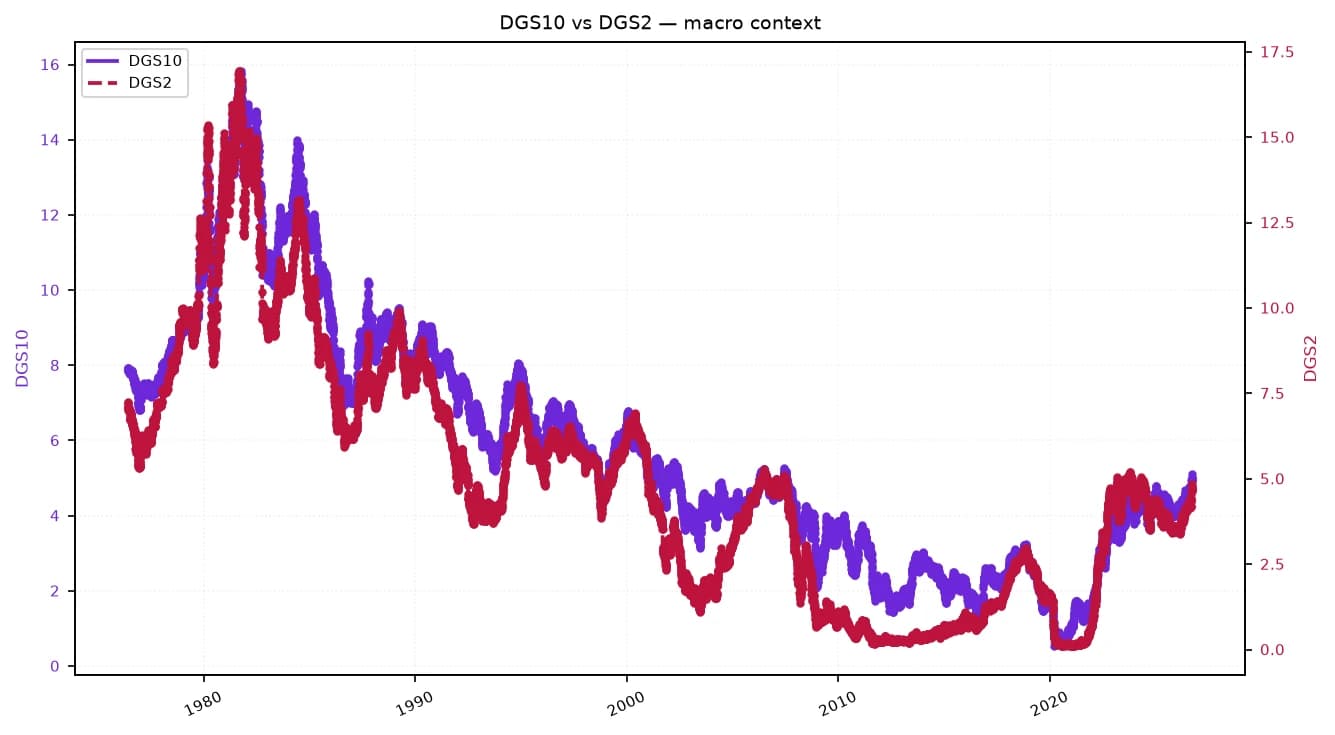
The main brake is rate pressure. Bank Indonesia lifted the BI Rate from 4.75% in April to 5.75% in June, pushing benchmark funding costs higher and forcing investors to demand richer coupons. For AAA-rated multifinance issuers, one-year bond coupons climbed from 4.78% in February to 7.32% in July, while three-year coupons rose to 7.47% from 5.75% over the same period.
That matters because financing demand is not accelerating fast enough to justify aggressive borrowing. Multifinance receivables grew just 1.88% year on year to Rp511.26 trillion in June, leaving issuers more cautious on timing, tenor and deal size as they weigh bond funding against bank loans and other sources.
Investors still have reason to watch the market closely. BI’s decision to hold rates at 5.75% gives issuers some pricing clarity and reduces the risk of another immediate jump in yields, but it does not bring borrowing costs back to prior levels. The bigger support for issuance is refinancing: Pefindo said about Rp17.73 trillion of multifinance debt matures in the second half of 2026, while Core Indonesia economist Yusuf Rendy Manilet put full-year maturities at Rp33.93 trillion, including Rp13.68 trillion in the third quarter.
That sets up a market where stronger-rated borrowers can still tap investors, but selectively and mostly to roll over debt rather than fund expansion. Adira Finance, BRI Finance, CNAF and ACC all said they remain open to bond issuance, though each stressed timing, liquidity conditions and market yields will drive decisions.
For investors, the narrative is simple: multifinance bonds remain investable, but the sector is moving from growth issuance to refinancing issuance, with coupons likely to stay elevated as long as policy rates and market yields remain high. The next test is how much of the second-half maturities are met through bonds versus bank funding, and whether BI’s rate pause is enough to revive appetite before 2027.
| Entity | Gains | Losses |
|---|---|---|
| High-rated multifinance issuers | ▲Access to refinancing | ▼Lower growth-driven issuance |
| Bond investors | ▲Higher coupons/yields | ▼Less new supply diversity |
| Banks | ▲More lending opportunities | ▼Lost market share in funding |
| Lower-rated issuers | ▲Rate pause on BI | ▼Wider funding costs |