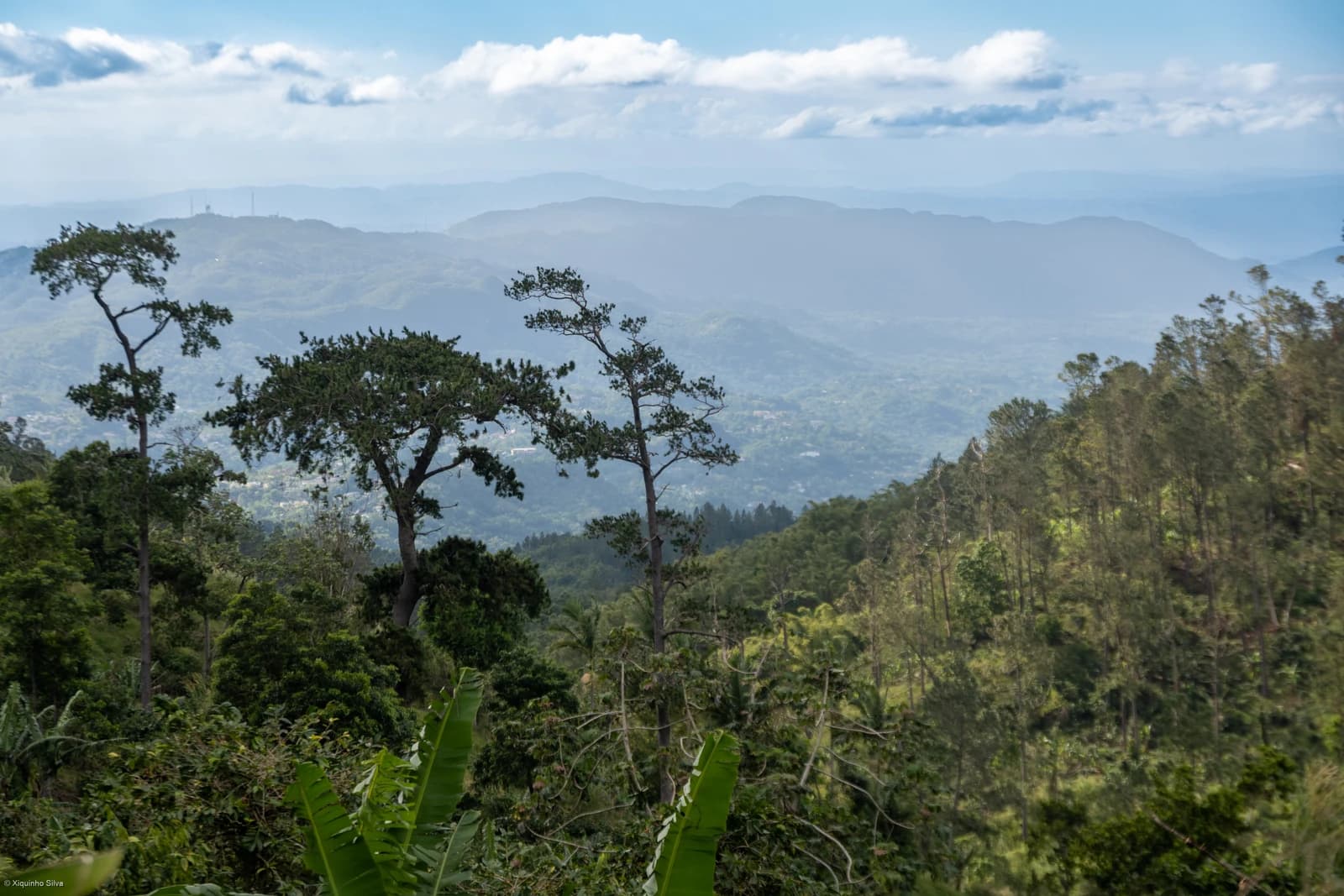
Suriname’s biggest missed economic opportunity may be hiding in plain sight: its national parks and rainforests are valuable export assets that are barely being monetized, even as nature tourism drives meaningful visitor spending in countries that have learned how to package wilderness as a growth industry.
Suriname tourism parks and rainforest monetization
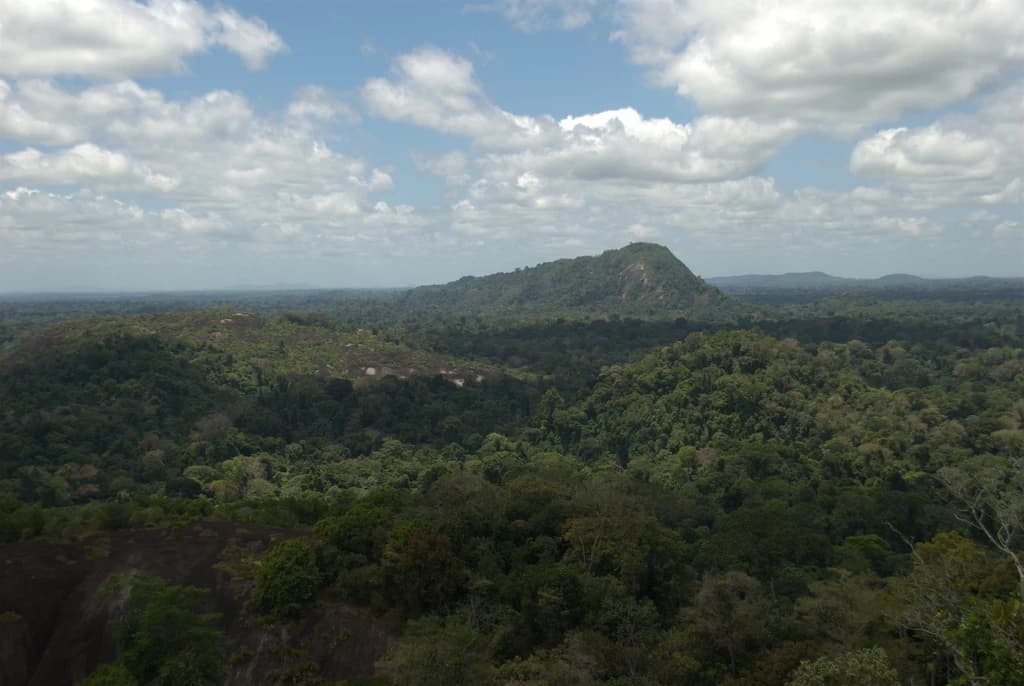
That matters because tourism is one of the few sectors where a small country can convert biodiversity directly into foreign-currency earnings, local jobs and infrastructure spending without waiting for a mining boom or an oil discovery. The Mastercard Economics Institute says 23% of international tourism spending in South Africa is tied to national parks, while Zambia gets 15%, Finland 7% and Argentina 6%. Suriname has comparable natural capital on paper, but has not built the access, branding and services needed to turn it into a reliable economic engine.
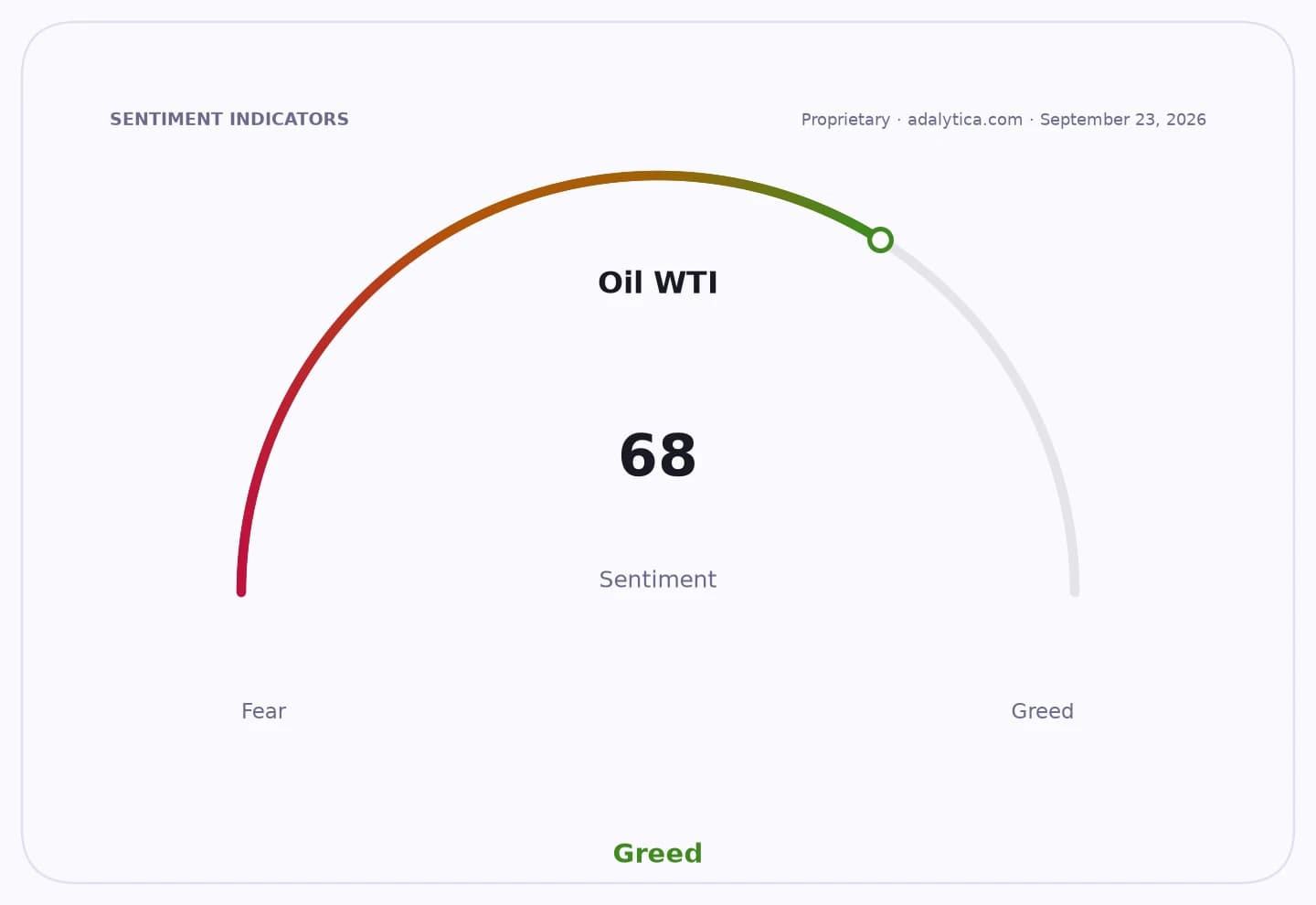
Sentiment IndicatorsⓘProprietary · adalytica.com · September 25, 2026
This is a snapshot — live sentiment, awareness and momentum for 130+ markets update continuously in the dashboard.Open AlphaPulse
The market is already rewarding the broader theme. The U.S.-listed World Travel ETF, AWAY, remains under pressure, with its latest price at $16.69, well below its 50-day moving average of $18.93 and showing an RSI of 13.7, a sign of severe technical weakness. But that weakness is precisely why the long-term opportunity in nature-led travel is easy to miss: investors are focused on short-term sentiment, while the underlying shift toward experiential, sustainable and outdoor tourism keeps building across emerging and frontier markets.
Suriname should be read as a case study in underused national assets. Countries that treat parks as infrastructure, not scenery, create a multiplier effect: park fees, guide services, lodging, transport, food supply chains and small business formation all benefit. The alternative is leaving the value of land, wildlife and biodiversity locked inside the ground, producing little more than conservation headlines instead of cash flow.
That is why the investable angle goes well beyond Suriname itself. The real winners are the travel platforms, airlines, eco-lodge operators and emerging-market tourism suppliers that can capture incremental demand once governments improve access and promotion. The losers are economies that sit on pristine natural attractions but fail to convert them into bookable experiences, and investors who assume tourism growth only comes from beaches, cities or mass-market resorts.
The next catalyst is policy, not weather. If Suriname moves to better market its parks, improve transport links and formalize visitor infrastructure, it can unlock a high-margin niche that many competitors already monetize. For investors, the takeaway is simple: the underappreciated trade is not just in tourism stocks, but in the countries and companies that turn natural capital into recurring economic activity before the rest of the market catches on.
| Entity | Gains | Losses |
|---|---|---|
| Suriname tourism sector | ▲Foreign exchange, jobs, fees | ▼Underused natural assets |
| Travel platforms and eco-lodges | ▲New destination demand | ▼Slow-absorbing frontier markets |
| Nature-tourism leaders like South Africa, Zambia | ▲Proven park-linked spending | ▼Countries lacking access and promotion |
| Investors focused on experiential travel | ▲Early asymmetric upside | ▼Short-term price volatility |