Groningen is betting that the World Cycling Championships will do more than fill streets with spectators: local officials say the event could bring in serious money from tourists, lifting hotels, restaurants and transport operators at a time when destinations are competing harder for discretionary travel spending.
Groningen World Cycling Championships boost tourism
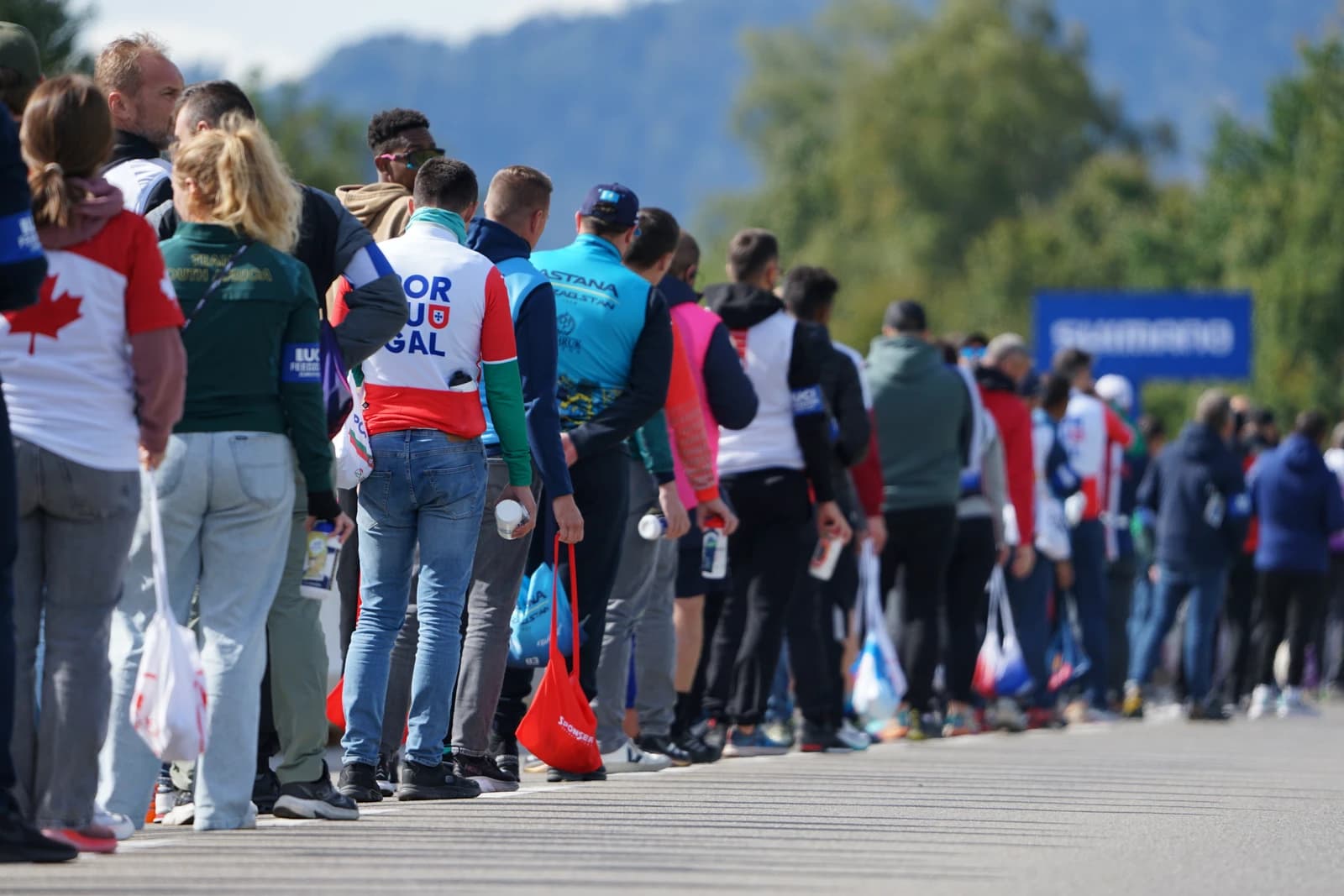
That matters because major sports events increasingly function as short, high-intensity demand shocks for city economies. For Groningen, the upside is not just ticket sales or broadcast exposure, but the knock-on effect from visitors who stay overnight, eat out, use local transport and shop. Willem de Kok, managing director of Groningen & Partners, said the economic promotion agency followed the event award closely because it could “bring a lot” to the city and surrounding region.
Sentiment IndicatorsⓘProprietary · adalytica.com · September 29, 2026
This is a snapshot — live sentiment, awareness and momentum for 130+ markets update continuously in the dashboard.Open AlphaPulse
The logic is straightforward. Large championships compress months of leisure demand into a narrow window, often pushing occupancy, room rates and ancillary spending higher for hotels and travel suppliers. That is particularly relevant for a host city looking to turn sporting visibility into repeat tourism, rather than one-off weekend traffic. For local businesses, the event can also help extend the season by filling demand before and after the championship dates, with benefits that spread beyond central Groningen into the wider Ommeland area.
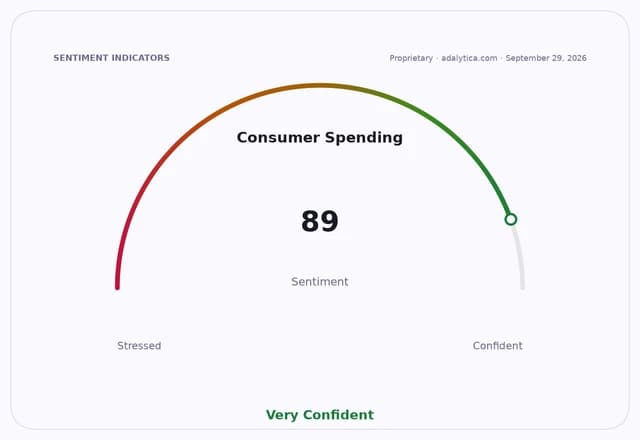
The broader industry backdrop is a market that remains sensitive to consumer willingness to spend on travel and events. Adalytica’s consumer spending sentiment gauge is at 89, labelled “Extreme Greed,” while consumer confidence sentiment is at 86, also in “Extreme Greed,” suggesting households remain willing to spend on experiences even as retail-goods sentiment is less robust. That combination has tended to favor travel, live events and premium hospitality over more discretionary merchandise purchases.
Consumer Spending — 30-day sentimentadalytica.com
Explore this data interactively — full history, time series and cross-market comparisons.Open AlphaPulse
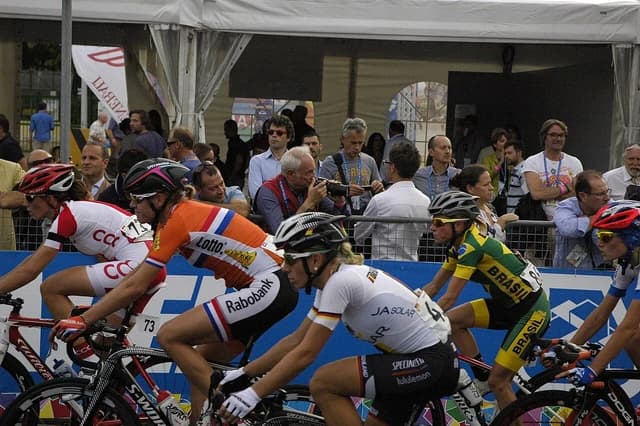
For investors, the story is a reminder that sports tourism remains a meaningful demand driver for online travel, hotels and live-entertainment businesses. Expedia, Booking Holdings and Live Nation all stand to benefit when event-driven travel lifts bookings, room demand and on-the-ground spending. The market has already shown how quickly those names can move on shifts in travel appetite, with recent price data indicating elevated volatility and technically stretched or oversold conditions at times in all three stocks.
Still, the bull case for Groningen’s windfall has limits. A championship can lift revenue sharply for a few weeks, but the longer-term payoff depends on whether the city converts first-time visitors into repeat travelers and whether infrastructure can handle the surge without eroding the visitor experience. The bear case is that much of the spending simply shifts from another destination or another month, leaving only a temporary boost.
What investors should watch is whether the event becomes a repeatable tourism platform, not just a one-off headline. If Groningen can use the cycling championships to strengthen its brand, lengthen stays and widen spending per visitor, the economic impact could outlast the race itself.
| Entity | Gains | Losses |
|---|---|---|
| Groningen hotels and restaurants | ▲Higher occupancy and footfall | ▼Capacity strain and short-term cost pressure |
| Local retailers and transport operators | ▲Event-driven spending surge | ▼Demand fades after the championship |
| Expedia, Booking Holdings | ▲More travel bookings | ▼Slower discretionary travel if fans stay home |
| Groningen municipality | ▲Tourism branding and tax receipts | ▼Risk of temporary-only economic benefit |