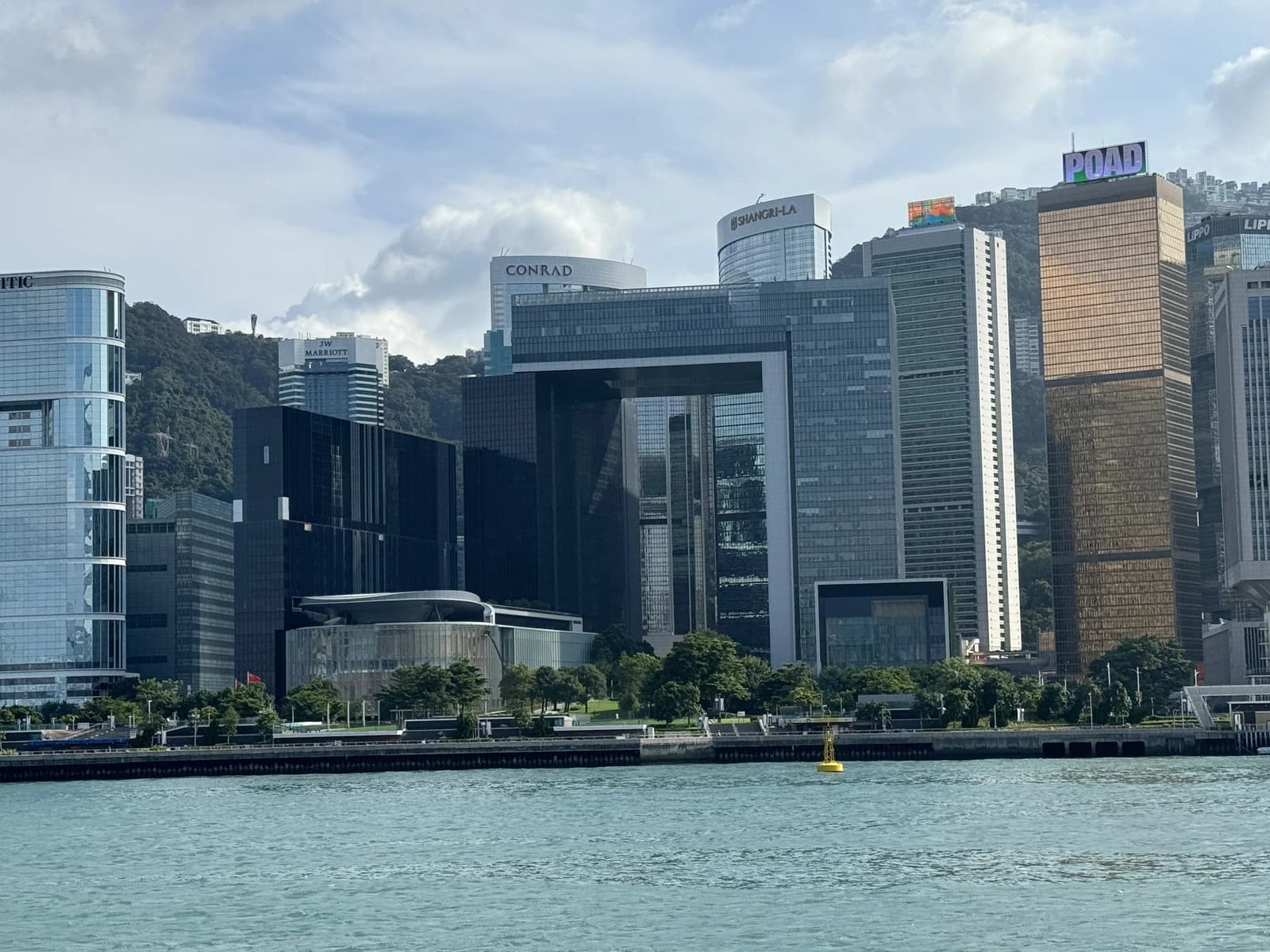
Chinese visitors are flocking to Hong Kong’s hiking trails and geopark sights as tighter household budgets push more of the city’s tourism demand away from luxury shopping and toward low-cost outdoor experiences.
Hong Kong tourism shifts to hiking and geopark visits
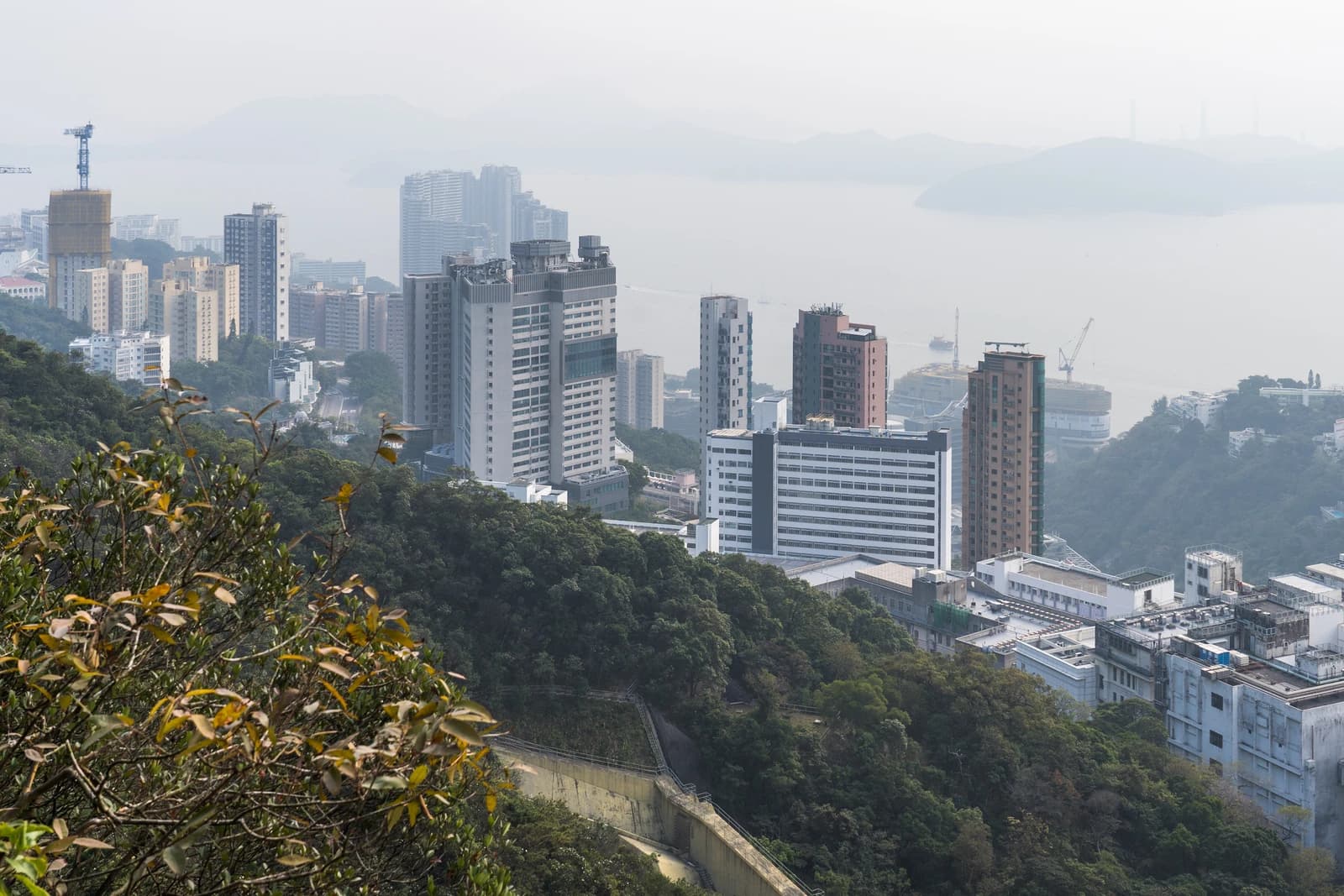
The shift matters because it points to a more cautious mainland consumer, one that is still traveling but spending less on hotels, restaurants and retail — a mix that typically squeezes margins across Hong Kong’s visitor economy.
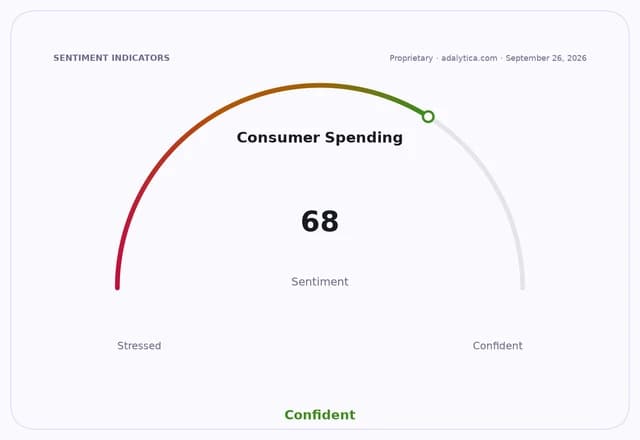
Sentiment IndicatorsⓘProprietary · adalytica.com · September 26, 2026
This is a snapshot — live sentiment, awareness and momentum for 130+ markets update continuously in the dashboard.Open AlphaPulse
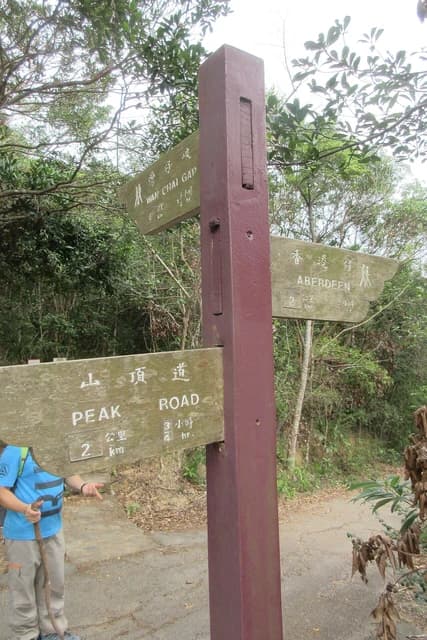
At Hong Kong UNESCO Global Geopark, tourists now crowd the volcanic rock formations for selfies, underscoring how budget pressure is changing what draws mainland travelers. The outdoor pivot is consistent with broader signs of strain in consumer demand, with Adalytica’s Consumer Spending Sentiment gauge at 68 and labeled neutral, while its awareness reading sits at an “extreme fear” level of 11.
For travel and lodging investors, that matters because Hong Kong’s tourism rebound is being led by lower-ticket activities rather than high-margin purchases. Hotels and tour operators can still benefit from foot traffic, but weaker discretionary spending tends to hit pricing power and ancillary revenue.
The market has already been pricing in some of that volatility. Travel + Leisure shares have fallen to $63.66 from a recent high above $75, while RSI readings have cooled to 37.4, suggesting the stock has moved out of overbought territory after a sharp run-up and retreat. Booking Holdings, a closer proxy for global travel demand, closed at $163.95 after trading as high as $199.12 earlier in the period, with its RSI at 21.7, reflecting heavy selling pressure.
McDonald’s, which often serves as a read-through on consumer caution, has also slid to $236.50 from above $334 earlier this year, reinforcing the view that consumers are trading down across discretionary categories. The company’s latest technical readings show the stock well below its 50-day and 200-day moving averages, a sign that sentiment toward spending has weakened more broadly.
Hong Kong still has some structural support from its luxury hotel and real estate appeal, including the Rosewood Hong Kong’s repeat ranking as the world’s best hotel and continued deal activity in the hospitality sector. But the near-term story for investors is that the recovery is increasingly reliant on value-seeking travelers, not broad-based spending.
That leaves the next leg of the trade dependent on whether mainland consumer confidence improves enough to lift shopping and hotel demand, or whether budget-conscious tourism remains the dominant pattern into the holiday season.
| Entity | Gains | Losses |
|---|---|---|
| Hong Kong trails/geopark operators | ▲More visitor volume | ▼Lower per-trip spending |
| Budget-minded Chinese tourists | ▲Cheaper experiences | ▼Luxury-shopping exposure |
| Hotels and retailers | ▲Foot traffic recovery | ▼Pricing power |
| Travel and leisure stocks | ▲Support from travel demand | ▼Pressure from weaker spend |