Romania’s consumers are cutting back for the 13th straight month, and that shift is now showing up not just in official sales data but in the way households say they live. The country’s retail slowdown is becoming a broad-based demand reset, with shoppers delaying purchases, cooking at home, canceling subscriptions and trading branded goods for cheaper alternatives.
Romania retail sales fall for 13th straight month
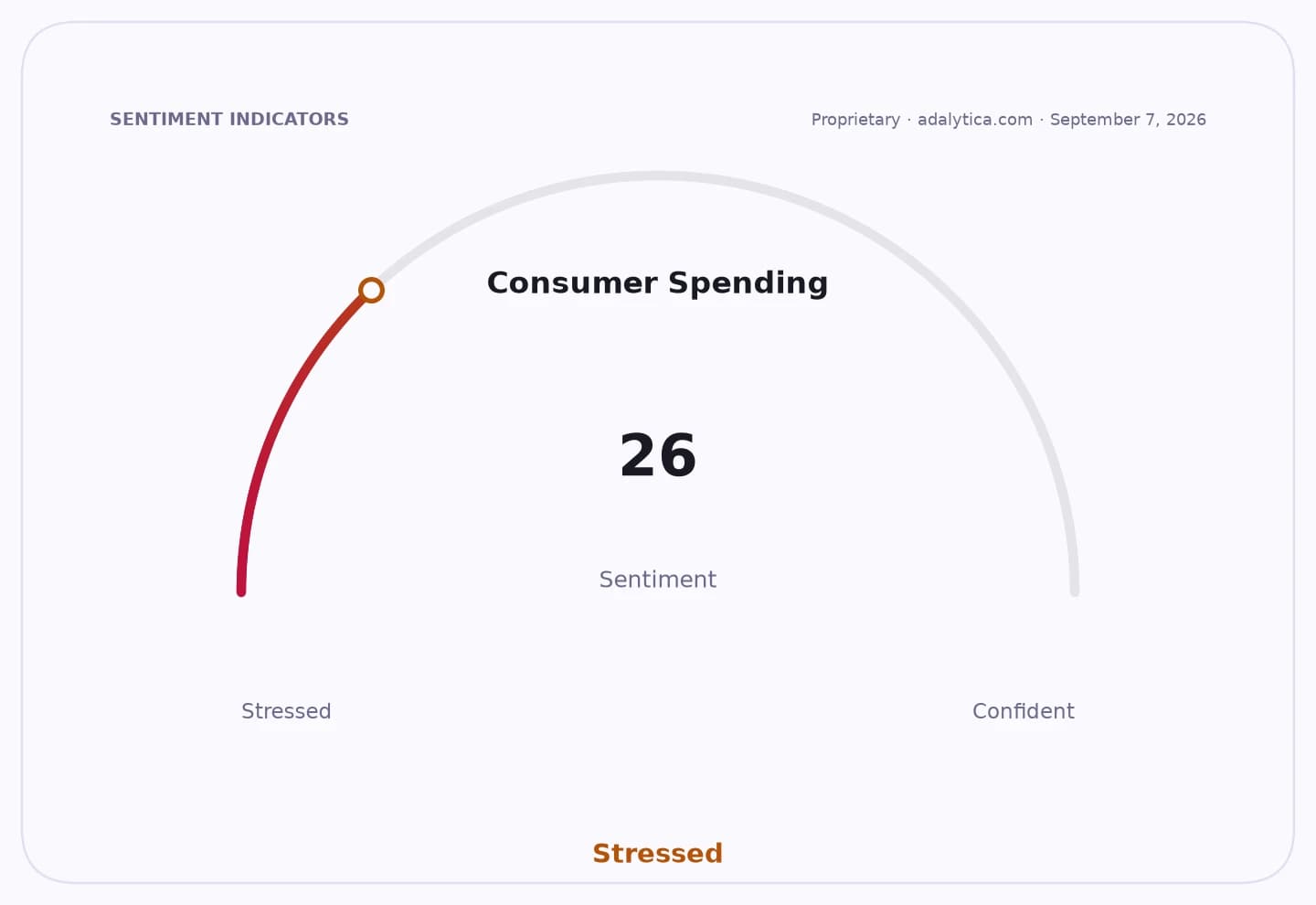
That matters because household spending is the backbone of Romania’s economy. When consumers pull in their spending at the same time inflation is still biting, the result is weaker turnover for retailers, less pricing power for brands and slower momentum across the wider economy. For investors, it is a warning that this is no longer just a temporary squeeze — it is a prolonged demand downturn that can reshape who wins and loses in the consumer landscape.
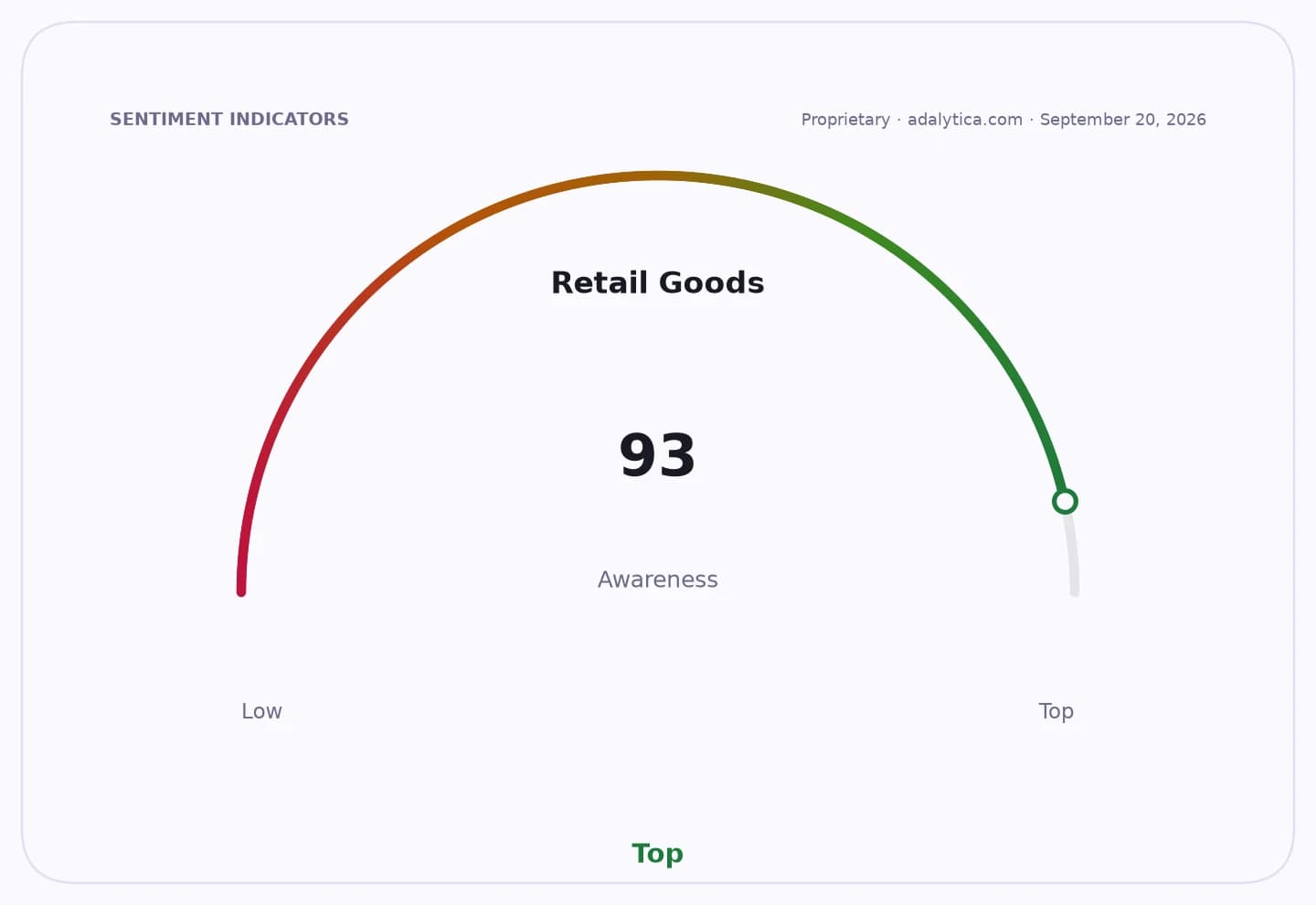
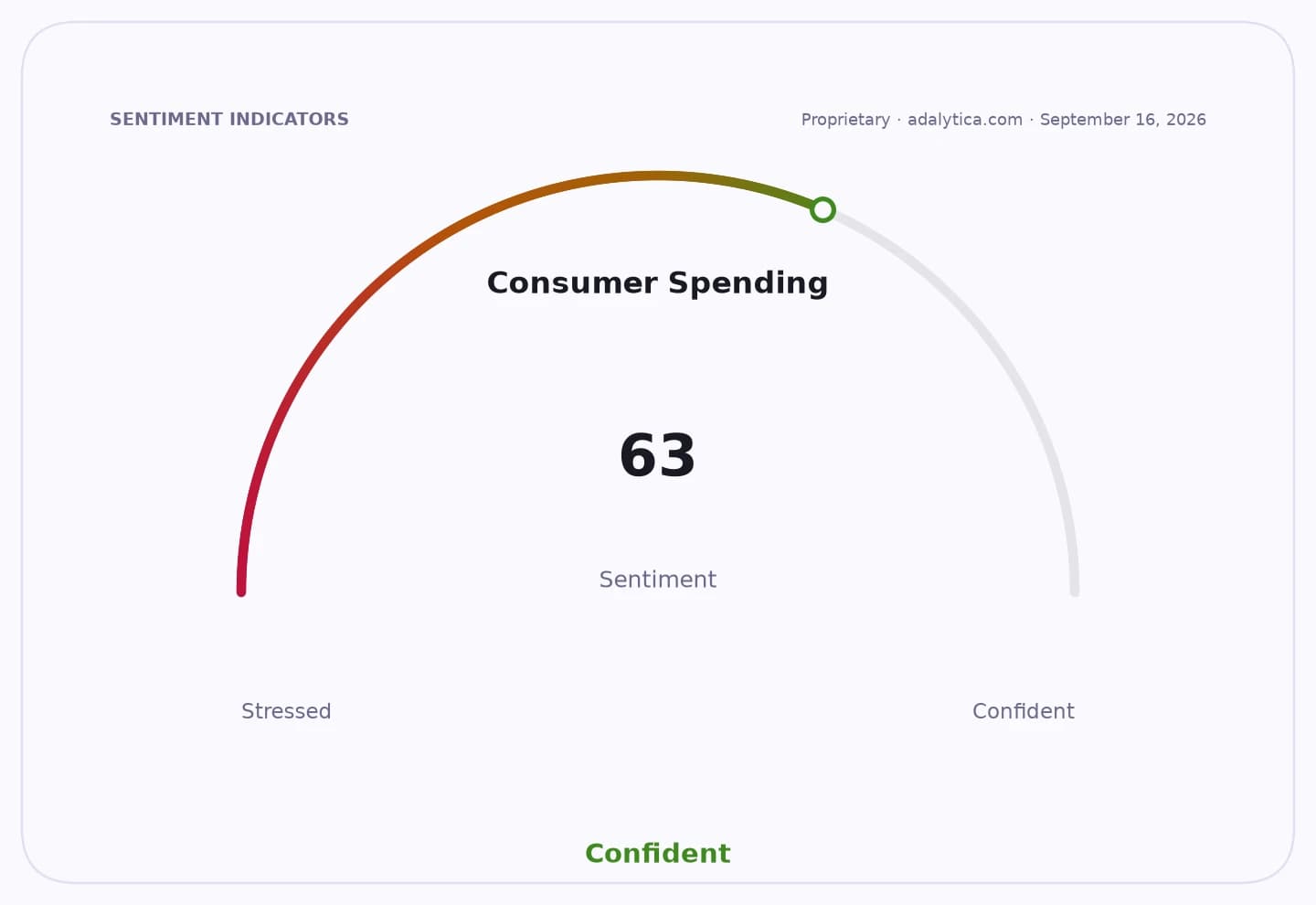
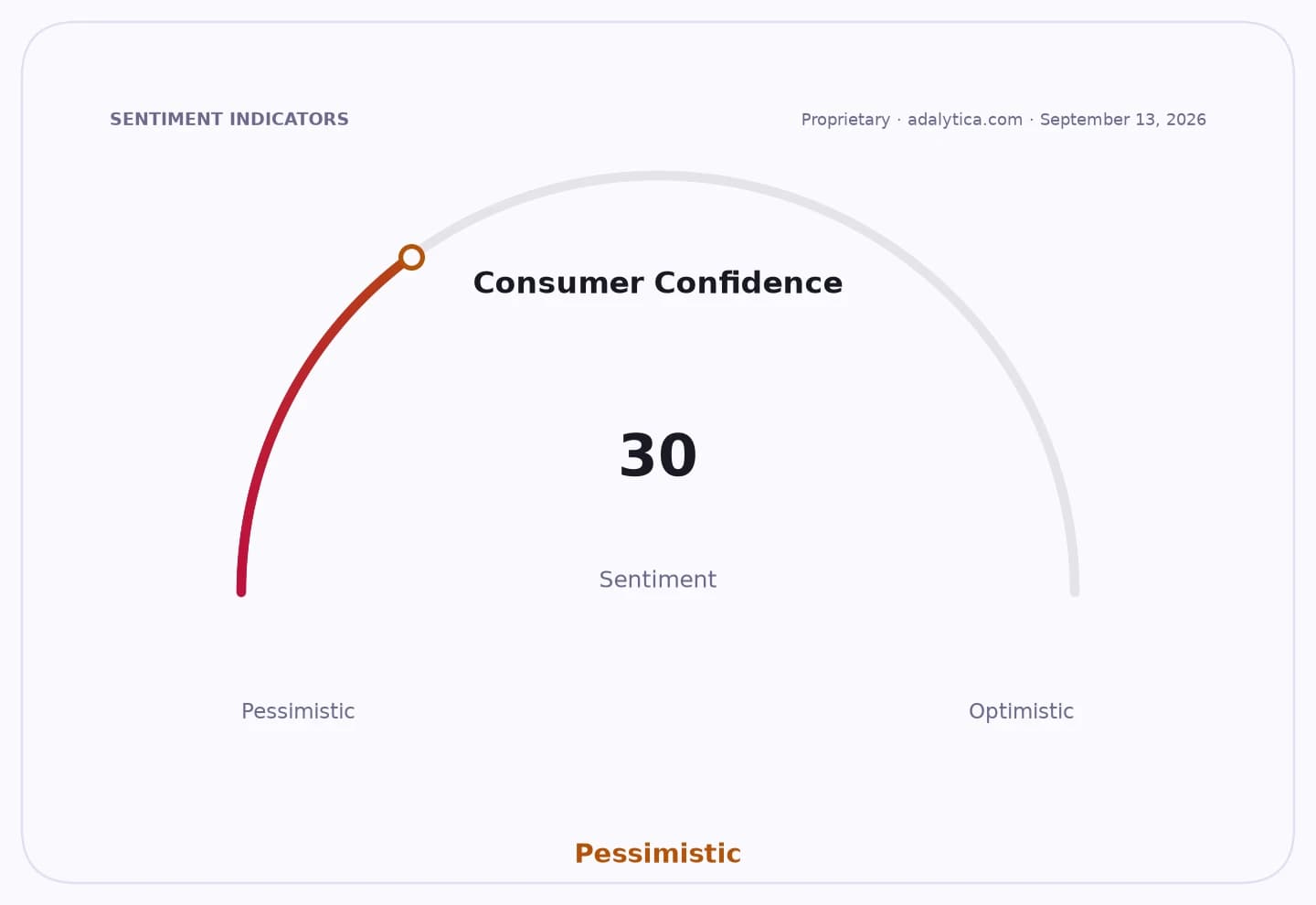
Sentiment IndicatorsⓘProprietary · adalytica.com · September 7, 2026
This is a snapshot — live sentiment, awareness and momentum for 130+ markets update continuously in the dashboard.Open AlphaPulse
Official data from the National Institute of Statistics show retail trade volume fell 6.1% in July from a year earlier, after seasonal and working-day adjustments, marking the 13th consecutive monthly decline. In the first seven months of 2026, consumption was 5.8% below the same period of 2025. The weakness is not isolated to one corner of the market: non-food sales fell 6.7%, food, beverages and tobacco dropped 5.8%, and fuel sales were down 4.4%.
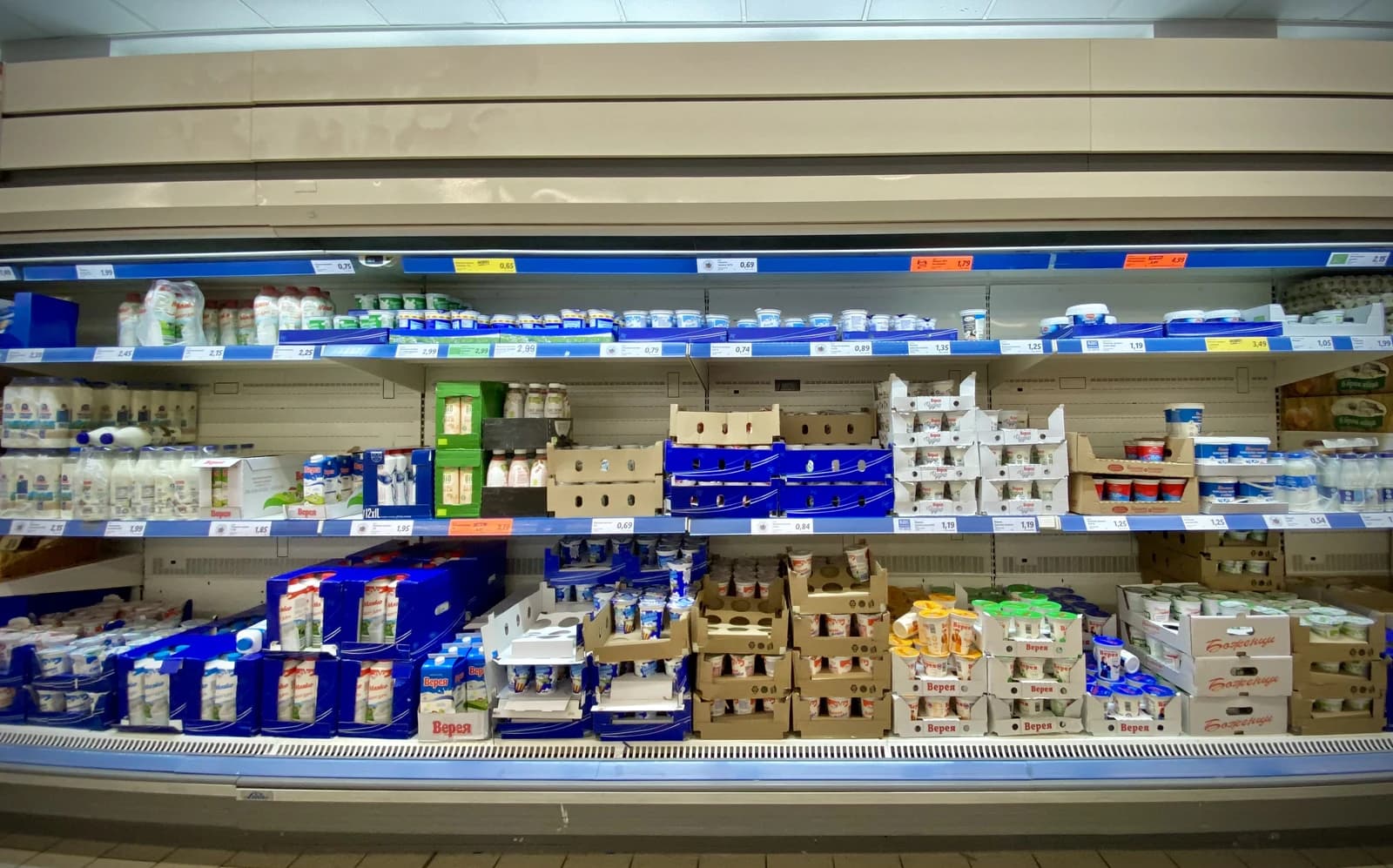
The message from the ground is just as clear. Romanians are describing a defensive playbook built around delayed online orders, shopping with lists, refusing to buy groceries while hungry, cooking for several days at a time and freezing portions. They are also checking subscriptions, switching to store brands, buying fewer clothes and keeping phones for four or five years instead of upgrading with every new model. In other words, this is not simply belt-tightening — it is a structural shift toward value-seeking behavior.
That has direct implications for consumer stocks and the companies that depend on discretionary traffic. Premium brands, impulse-driven retailers and businesses reliant on frequent small-ticket purchases face the most pressure. Value chains, private-label suppliers and discounters are better positioned to capture share as shoppers trade down and prioritize price over brand loyalty. The market has seen this pattern before: when households start hunting for bargains and stretching product life cycles, the beneficiaries are the operators built on efficiency, scale and everyday-low-price positioning.
Romania’s inflation problem makes that shift more durable. Producer price pressures have eased only slightly, and the broader backdrop includes strained household budgets, political deadlock in Bucharest and the risk of losing hundreds of millions of euros in EU funds if reforms stall. With confidence already fragile, consumers are not waiting for relief — they are adjusting spending habits now.
For investors, the key is to look past the headline weakness and identify the second-order winners. Retailers with strong private-label mix, low-price formats and disciplined inventory management should be better insulated than higher-end peers. Convenience spending is under pressure, but the more resilient names will be those that can convert a value-conscious customer into a repeat buyer without relying on discounting alone.
The bottom line: Romania’s consumer slowdown is not just a macro story, it is an investable sorting event. The longer households keep spending with a calculator instead of a wallet, the more capital will flow toward discounters, private-label suppliers and essential-goods operators — and away from brands that still depend on discretionary exuberance.
| Entity | Gains | Losses |
|---|---|---|
| Discounters | ▲Trade-down traffic | ▼Premium retailers |
| Private-label brands | ▲Higher share | ▼Name brands |
| Consumers | ▲Lower bills | ▼Immediate consumption |
| Discretionary sellers | ▲— | ▼Weak demand |