BMW is trying to reset its cost base and product mix at the same time, betting that artificial intelligence, a leaner management structure and new electric and luxury models can restore momentum as Europe’s carmakers face weak demand, tougher Chinese competition and U.S. tariffs.
BMW cuts jobs, adds EV and luxury models
The German group said it plans to cut the number of divisions and related management roles by about a fifth by mid-2027, a move expected to affect roughly 8,000 jobs in Germany. That puts BMW alongside Volkswagen and Mercedes-Benz in a broad industry retreat from high overheads as the region’s legacy manufacturers fight to protect margins in an increasingly unforgiving market.
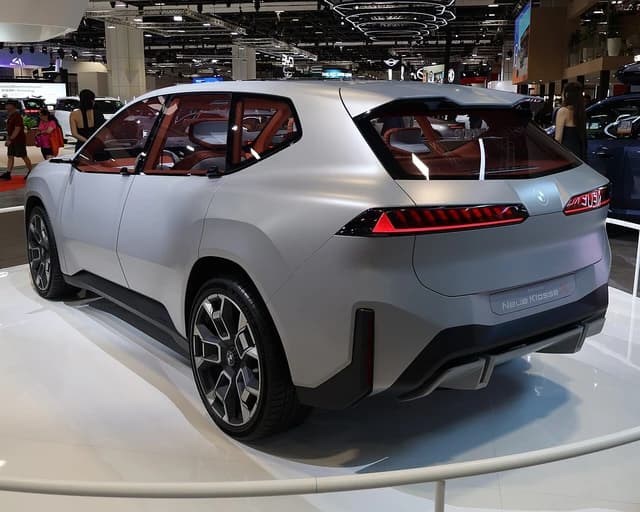
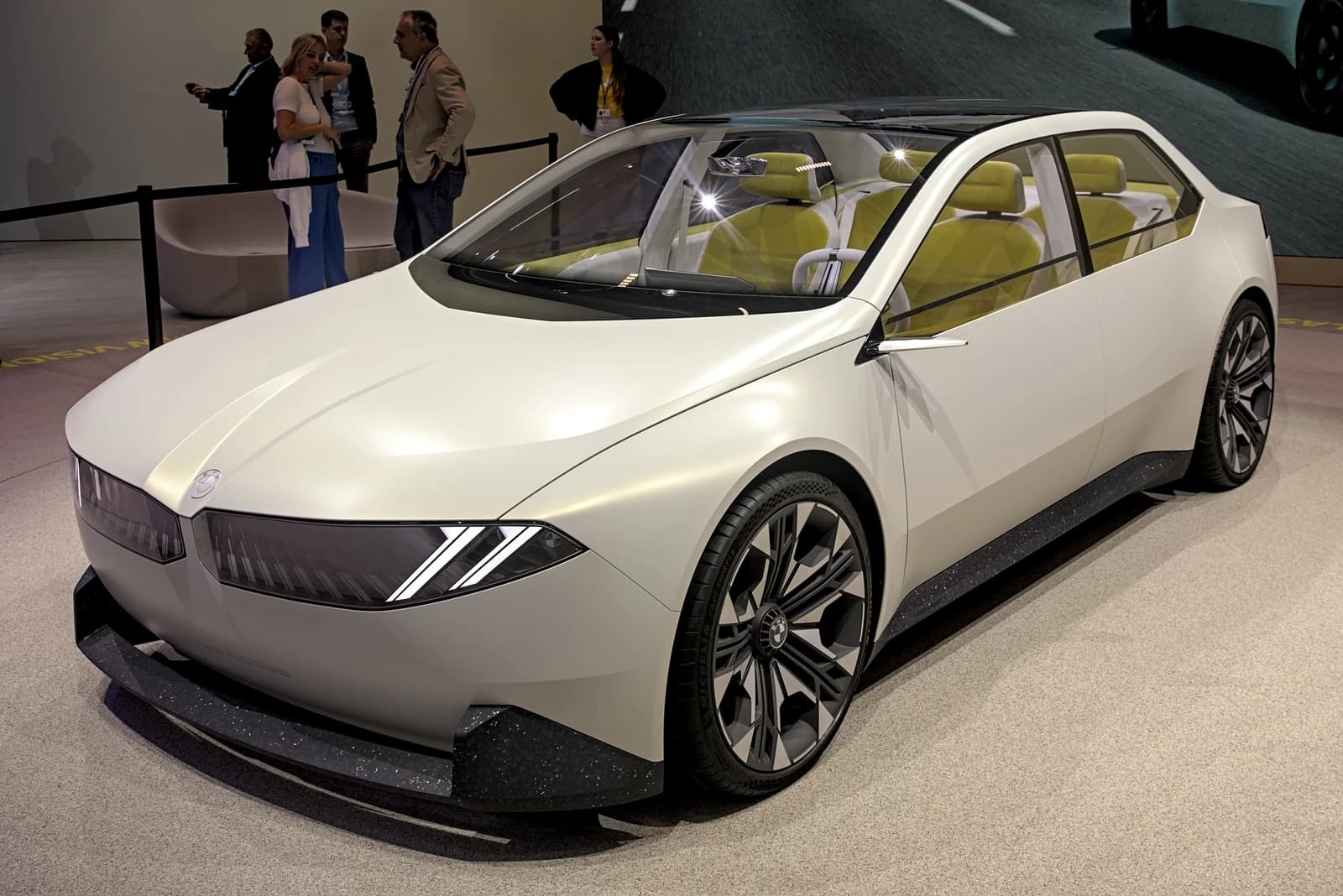
The restructuring is not just about efficiency. BMW is also redrawing its product strategy around the markets that still matter most to premium carmakers. In Europe, it plans to launch a more affordable entry-level electric vehicle from 2028, a sign that battery cars are moving deeper into the core range rather than remaining niche. In the U.S., it is developing a new luxury SUV for affluent buyers, leaning into the segment that has proved most resilient across cycles. In China, where BMW has already warned on profit three times in a little over three years, it is pushing further localization and closer cooperation with local partners on autonomous driving and integrated software.
That split strategy reflects the central economic challenge for BMW and its peers: demand is no longer broad-based enough to support one global model plan. Instead, automakers have to chase growth in different ways in different regions, while absorbing the cost of software development, electrification and new industrial footprints. For BMW, the pressure is acute. Reuters reported in June that the company issued its third profit warning in more than three years after weak performance in China, undermining its reputation as one of the more stable names in the sector.
The market backdrop helps explain why investors are watching the restructuring closely. BMW shares have fallen sharply over the past year, with the U.S.-listed stock closing at $20.34 on Oct. 2, far below its 50-day and 200-day moving averages of $22.83 and $27.73, respectively. The stock’s RSI reading of 10.6 points to deeply oversold conditions, while the shares have also traded well under the lower Bollinger Band, underscoring how much pessimism is already embedded. Mercedes-Benz and Tesla have also seen volatile trading, but BMW’s decline reflects a more direct combination of cyclical weakness, China exposure and strategic uncertainty.
For investors, the key question is whether BMW can translate cost cuts into a cleaner earnings profile before the EV transition and software race erode more of the premium it once enjoyed. The AI push could help trim complexity and speed decisions, but it will not by itself fix a product cycle problem or repair China demand. The upside case is that a lower-cost organization, a targeted EV launch in Europe and a new U.S. SUV can stabilize margins and support a rerating. The bear case is that BMW is forced to spend heavily just to stay competitive, while tariffs, local rivals and price pressure keep returns subdued.
The broader significance is that BMW’s move captures where the global auto industry is heading: fewer layers, more software, more regional tailoring and less tolerance for bloated structures. If the plan works, it could give BMW the flexibility to defend profit without abandoning its premium identity. If it fails, it will deepen the sense that even the strongest traditional automakers are being pulled into a slower-growth, lower-margin era.
| Entity | Gains | Losses |
|---|---|---|
| BMW | ▲Lower costs, sharper focus | ▼Higher restructuring risk |
| Mercedes-Benz and VW | ▲Industry-wide cost discipline | ▼Similar margin pressure |
| Tesla | ▲EV market attention | ▼Premium Europe competition |
| BMW shareholders | ▲Possible margin recovery | ▼Near-term earnings drag |