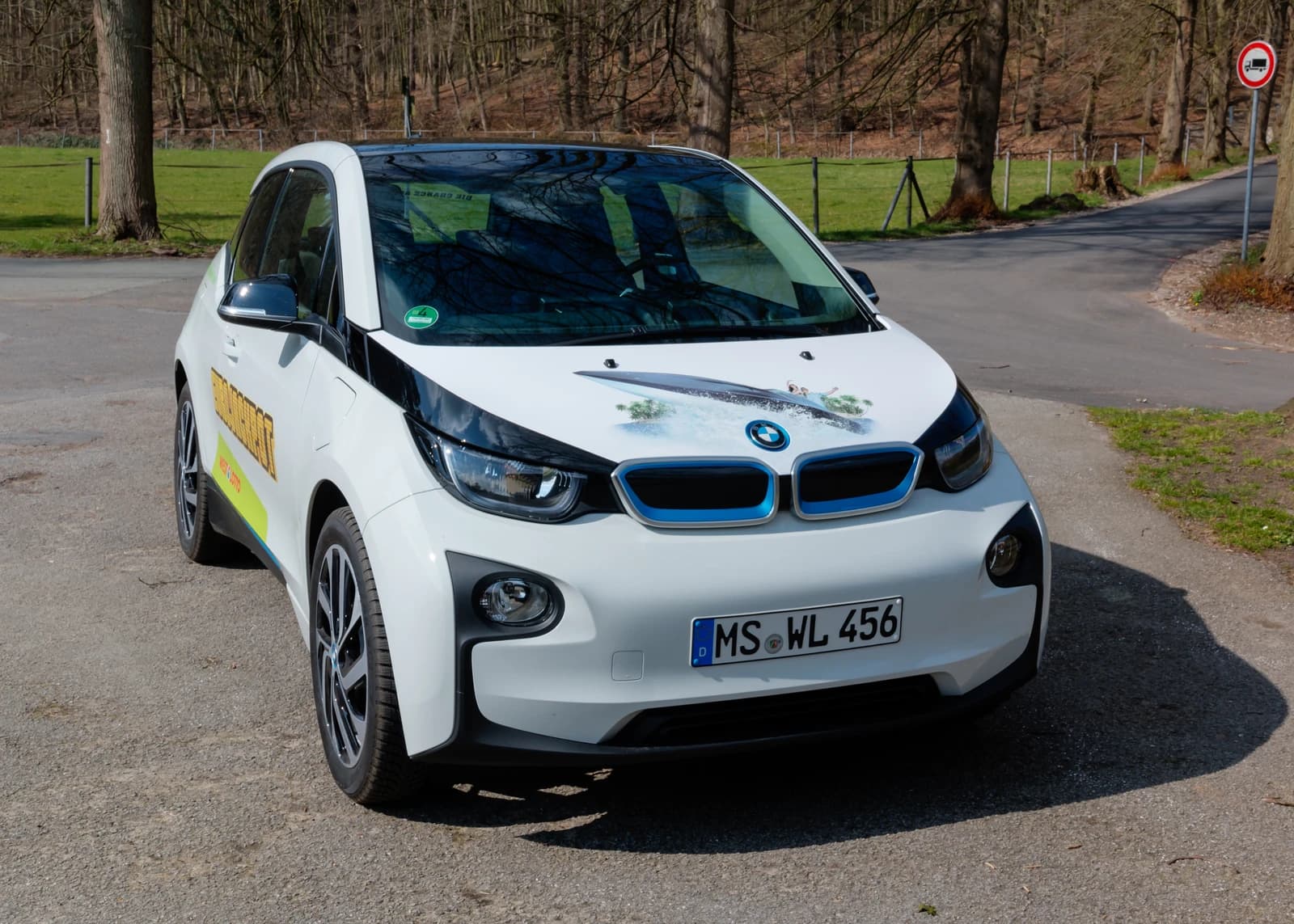
BMW is ending production of the i3, the electric hatchback that helped define the company’s battery-electric ambitions and became one of the most recognizable early EVs in the industry.
BMW Ends i3 Production, Shifts to iX1
The last i3 will leave BMW’s Leipzig plant in July after nine years and about 250,000 sales, closing the book on a model that mattered less for volume than for strategy. The i3 was BMW’s first mass-produced vehicle with a pure battery drivetrain and an early signal that premium carmakers would have to build dedicated electric products, not just convert combustion models.
Its retirement is economically significant because it marks the end of BMW’s carbon-intensive, lightweight DriveLife architecture and clears the way for higher-volume, more conventional platforms that can be shared across combustion, hybrid and electric derivatives. BMW plans to replace the i3 only indirectly with the electric iX1 crossover, built on the front-wheel-drive FAAR platform, underscoring where the company thinks demand is heading: away from niche EV city cars and toward mainstream crossovers with broader margins and wider appeal.
That shift matters to investors because it says BMW is concentrating capital on scalable products at a time when the industry is under pressure to fund electric-transition spending without sacrificing profitability. The i3’s low-volume, purpose-built design helped burnish BMW’s EV credentials, but it was never a core profit engine. The replacement strategy suggests BMW is betting that electrification will be won through platform flexibility, not halo models.
The move also reflects a broader reset across the premium auto sector. Legacy manufacturers are trimming older EV programs as they prepare new-generation electric models that can share parts, batteries and manufacturing systems. For BMW, the transition is happening alongside factory retooling in Leipzig for the next MINI Countryman, while the iX1 is expected to be built in Regensburg before production shifts elsewhere.
The i3 name will not disappear entirely. BMW will keep using the badge in China on a long-wheelbase electric version of the 3 Series, the i3 eDrive35L, but that car is a different proposition altogether: a conventional rear-wheel-drive sedan for a major market rather than the futuristic city car that made the original i3 notable.
For investors, the key question is whether BMW can use this product-cycle change to defend margins while scaling EVs faster than rivals. The bull case is that the company is discarding a niche architecture in favor of more efficient platforms with better manufacturing economics. The bear case is that the retirement of a flagship early EV highlights how quickly first-generation electric products can become obsolete, forcing repeated reinvestment before the payoff is fully visible.
| Entity | Gains | Losses |
|---|---|---|
| BMW iX1 / FAAR platform | ▲Higher-volume EV scale | ▼Distinctive i3 architecture |
| BMW | ▲Manufacturing efficiency | ▼Halo EV model |
| MINI Countryman | ▲Leipzig production slot | ▼None |
| EV buyers seeking niche city cars | ▲Nothing material | ▼The original i3 |