BMW has stopped serial production of its i3 compact electric car after roughly 8.5 years, closing the book on the model that helped establish the German automaker in battery-powered mobility and gave its Leipzig plant a major role in the EV supply chain.
BMW Ends i3 Production as Leipzig Shifts to EV Parts
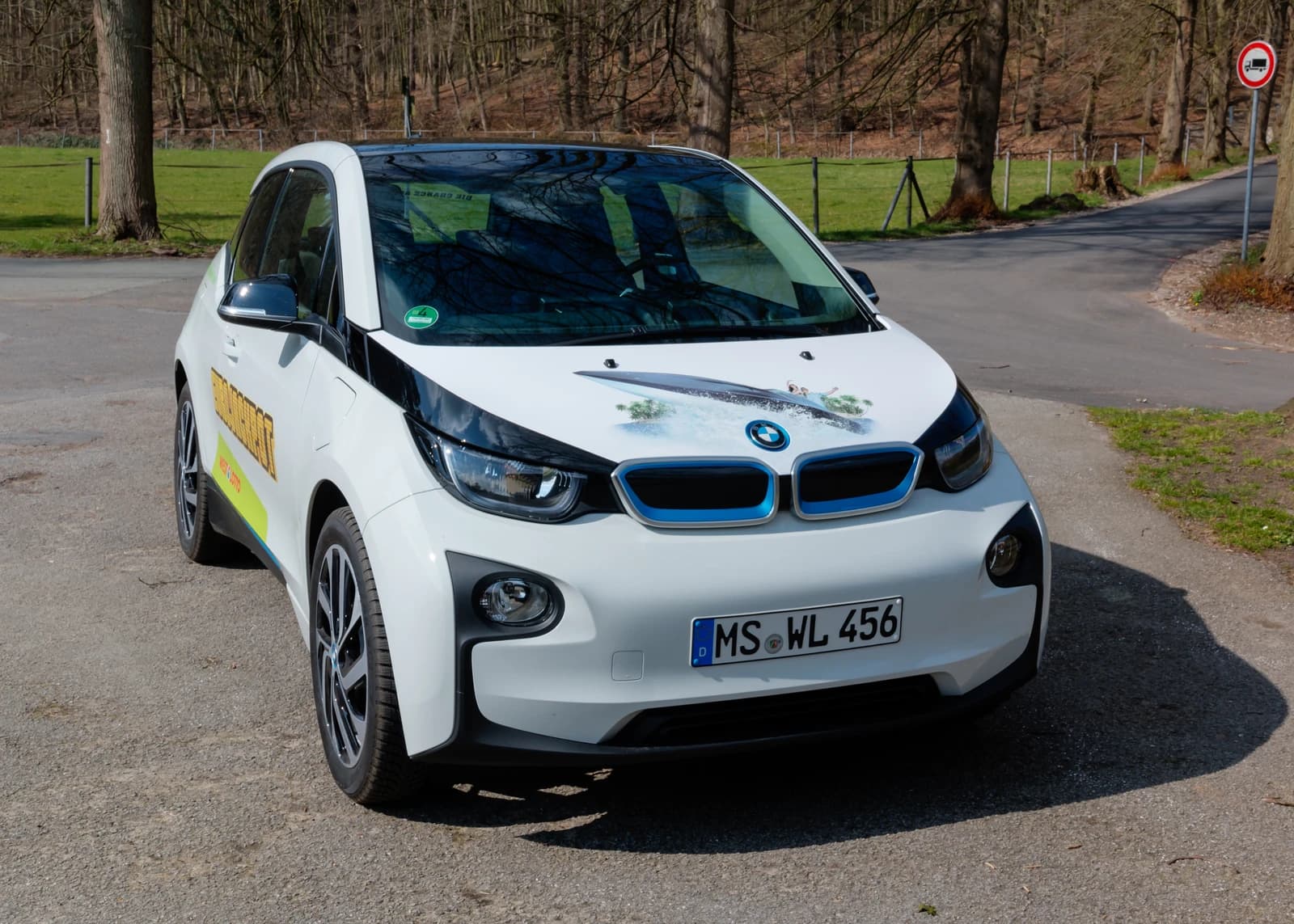
The shutdown matters because the i3 was more than a niche car: BMW says it built 250,000 units in Leipzig and sold the model in more than 74 countries, making it one of the company’s most visible early electric vehicles. As a pioneer in the premium compact EV segment, it also drew a large share of first-time BMW buyers, expanding the brand’s customer base at a time when legacy automakers were still testing demand for EVs.
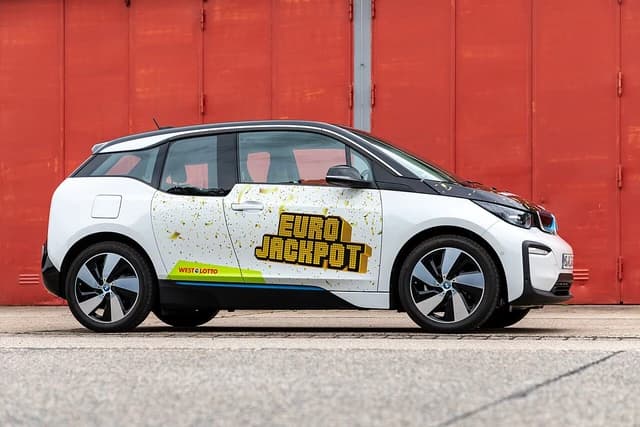
For investors, the more important message is that BMW is not exiting the electric shift — it is retooling it. Leipzig is moving straight into production of e-drive components and high-voltage battery modules, while the next-generation MINI Countryman is set to be built there next year, turning the site into BMW’s first plant to make BMW and MINI models together. That should help BMW preserve industrial efficiency as it scales EV output across the group.
BMW has also used the i3 as a technology test bed. The model’s lightweight carbon-fiber passenger cell, aluminum chassis architecture and battery systems fed into later BMW and MINI EVs, including the fifth-generation eDrive system now used across multiple battery-electric and plug-in hybrid models. The company says half of all vehicles it sells globally will be fully electric by 2030, underscoring how central the EV transition remains to its long-term growth plan.
The timing comes as European automakers face intensifying pressure from Chinese rivals in the EV market and a tougher pricing backdrop. BMW’s latest share price of 61.94 euros remains far below its 200-day moving average of 73.94 euros, while the 50-day average sits near 59.04 euros, suggesting the stock is still working through a volatile reset even as the company leans on new models and plant flexibility to defend margins.
The next catalyst is whether BMW’s new-generation EV lineup, including the iX3 and upcoming MINI electric models, can translate the i3’s early brand value into stronger volume and profitability in a far more competitive market.
| Entity | Gains | Losses |
|---|---|---|
| BMW Group | ▲EV production reset | ▼Legacy i3 line |
| Leipzig plant | ▲New e-drive and MINI output | ▼Single-model dependence |
| EV buyers | ▲More mature BMW EV lineup | ▼i3 availability |
| Chinese EV rivals | ▲Faster-growing market share | ▼BMW's old EV head start |