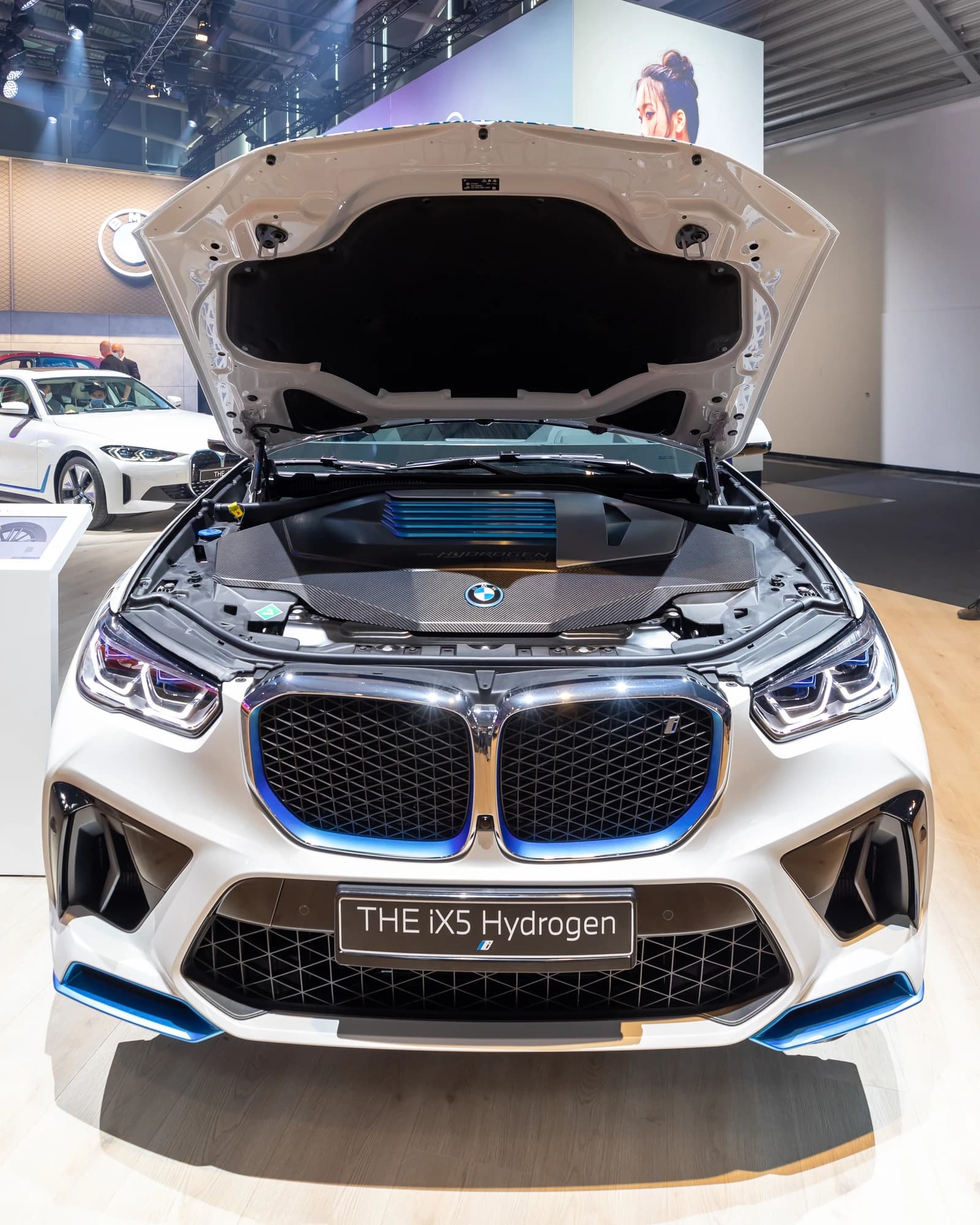
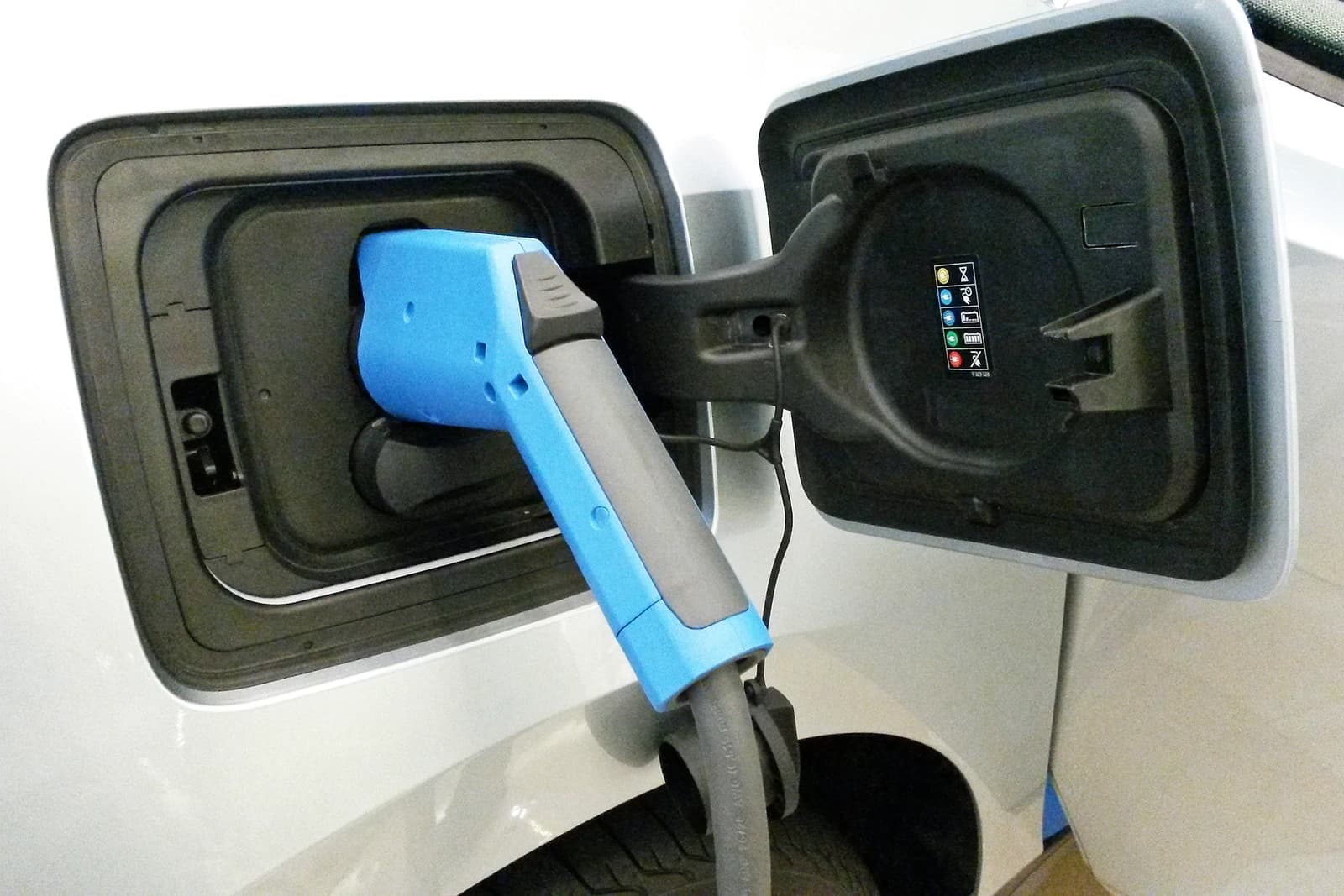
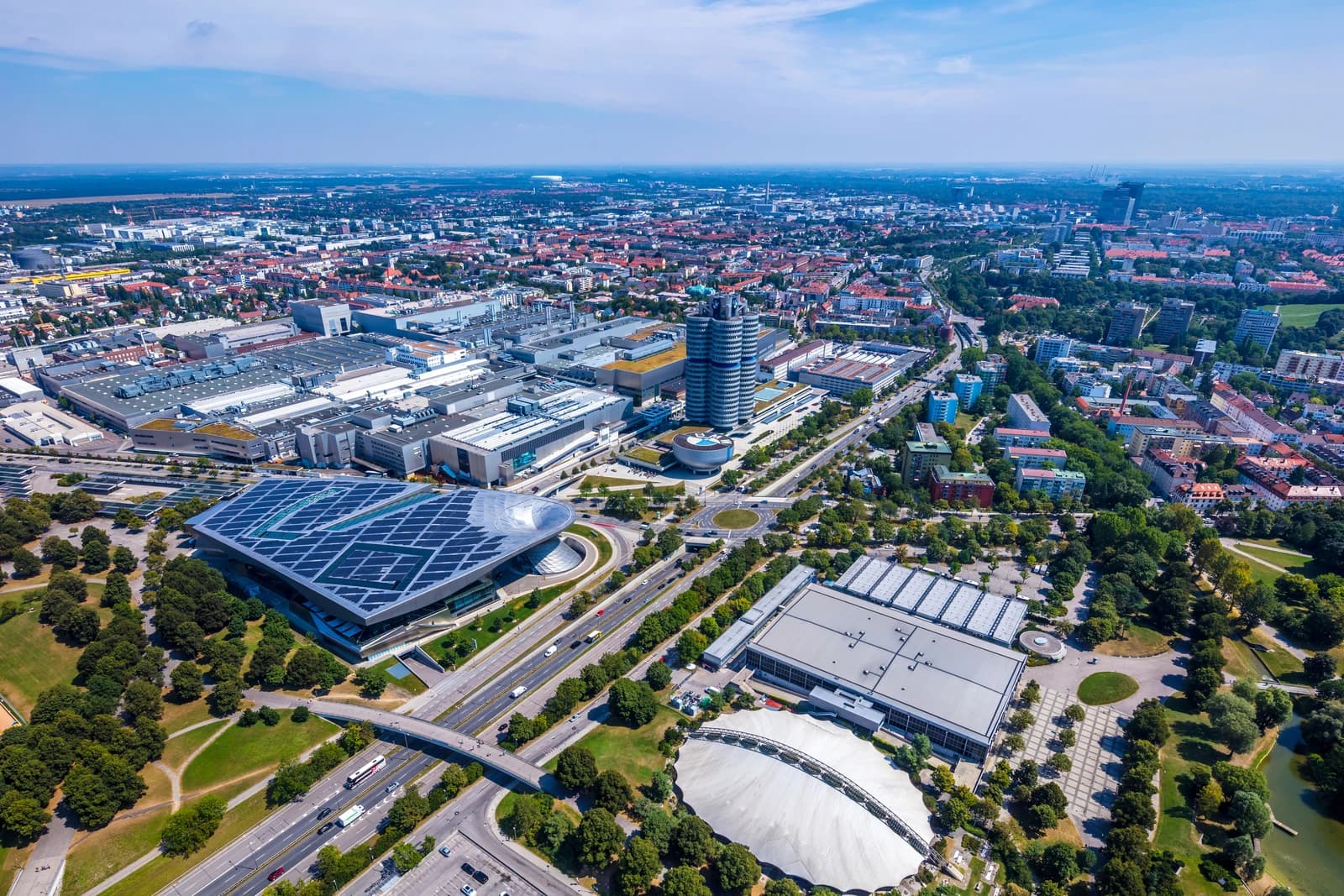
BMW’s Debrecen plant is moving into full three-shift production of the iX3 and is preparing to add a second Neue Klasse model later this autumn, a pace-up that underscores how quickly the German carmaker is trying to turn its new Hungarian EV hub into a meaningful volume site.
BMW Debrecen plant moves to three-shift iX3 production

The change matters because it is not just an operational tweak. A rapid shift from launch to 24-hour production signals that BMW is seeing stronger-than-expected demand for its first series-production Neue Klasse car, while also showing the company is willing to lean on the Debrecen site to scale its next-generation electric line-up. BMW said Europe has already generated 100,000 orders for the new iX3 in the year after its world premiere, a level that helps justify the faster ramp.
For investors, the main issue is whether BMW can convert that demand into profitable output without the kind of start-up disruption that often hits new EV programmes. A third shift can improve factory utilisation and spread fixed costs across more vehicles, which is important in a segment where battery and software spending has weighed on margins across the industry. But it also raises execution risk: recruitment, training and supplier coordination must keep pace with volume growth, or quality and efficiency can suffer.
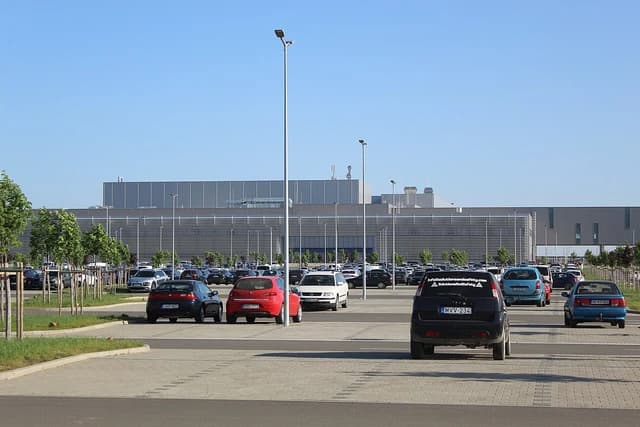
The Debrecen plant, which BMW says covers more than 400 hectares and has absorbed more than €2 billion of investment, is now a central part of the company’s electrification strategy. It is BMW’s first site dedicated exclusively to battery-electric vehicles, and the move to full three-shift operation suggests management believes the plant can become a repeatable template for future Neue Klasse production rather than a one-off project.
That makes the timing important for the broader European auto market. BMW is pushing ahead while rivals are still balancing EV demand, pricing pressure and high capital intensity. A successful ramp in Hungary would support BMW’s argument that it can grow electric volume without surrendering too much profitability, and it would strengthen the company’s position against mass-market competitors facing slower returns on their own EV investments.
The next test is whether the second Neue Klasse model can come on stream smoothly and whether the iX3 order book continues to translate into deliveries at scale. If BMW keeps the Debrecen ramp on track, the plant could become one of the clearest signs that the company’s next-generation EV strategy is moving from promise to production.
| Entity | Gains | Losses |
|---|---|---|
| BMW Debrecen plant | ▲Higher utilisation | ▼Execution pressure |
| BMW Group | ▲EV scale-up momentum | ▼Start-up risk |
| EV buyers/orders | ▲Faster supply growth | ▼Possible launch delays |
| Rivals in Europe | ▲— | ▼Competitive pressure |