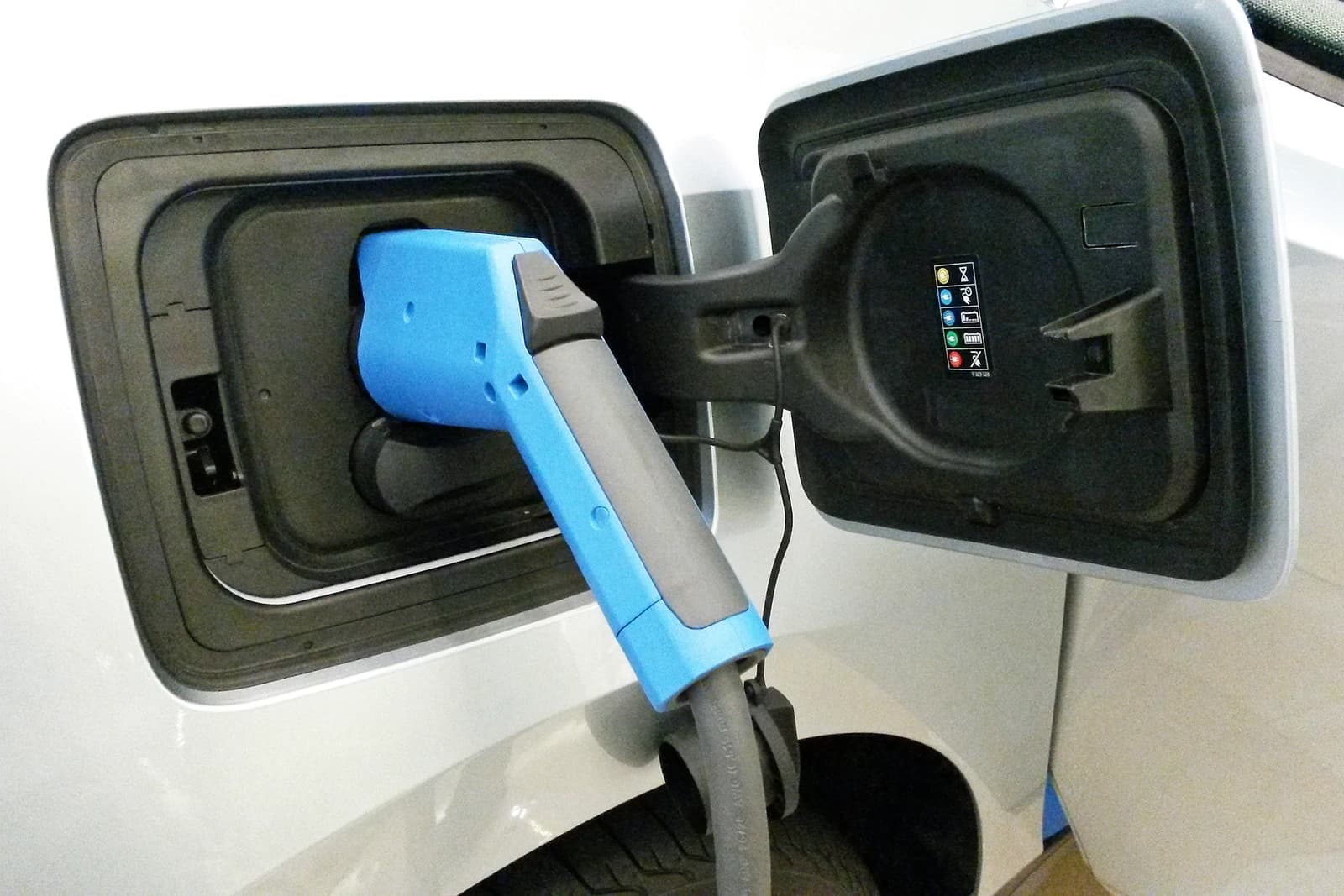
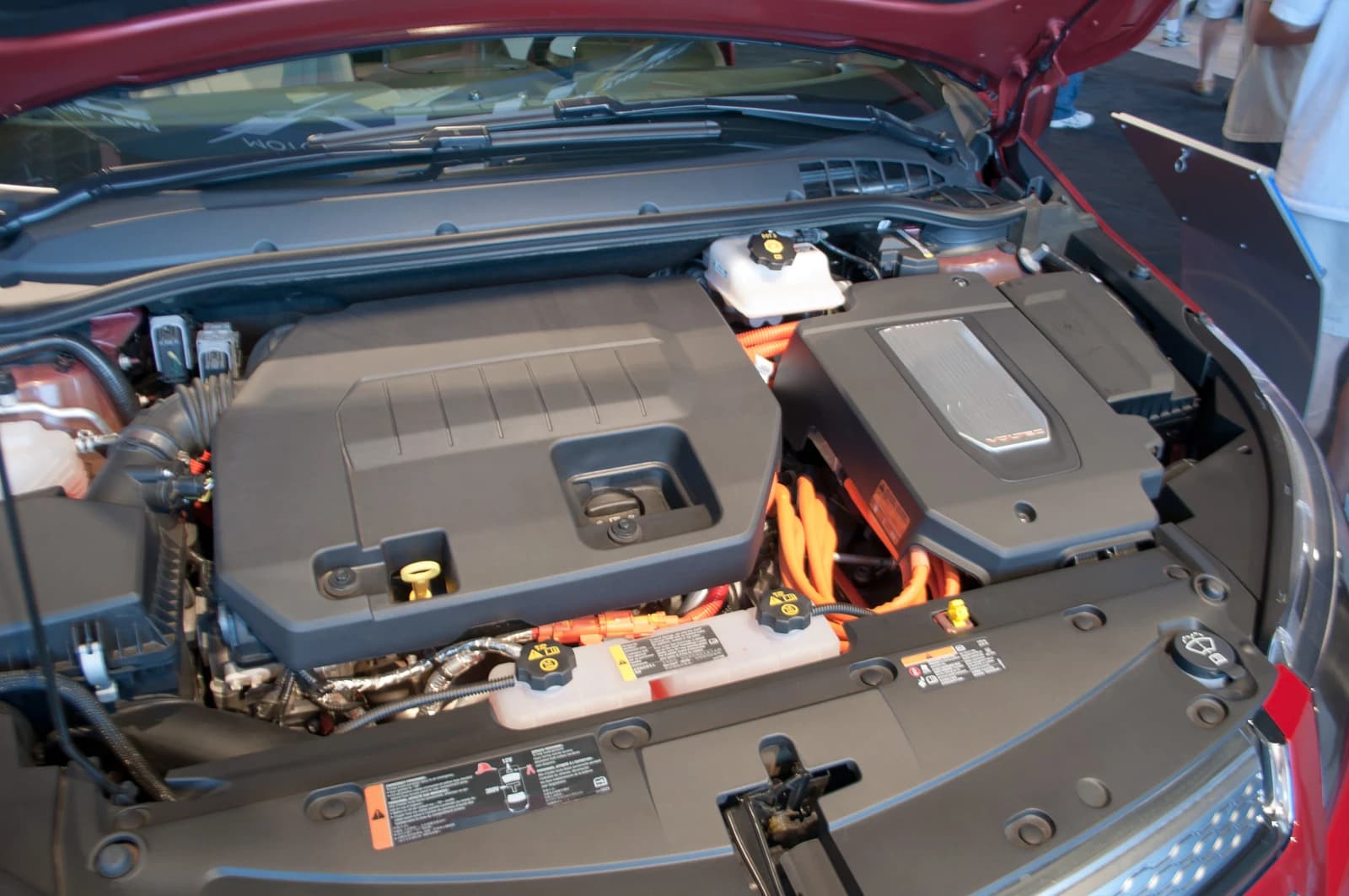
BMW is moving closer to a production hydrogen X5 that could give the automaker a fresh answer to two of battery-electric vehicles’ biggest drawbacks: charging time and driving range.
BMW iX5 Hydrogen Series Version Planned
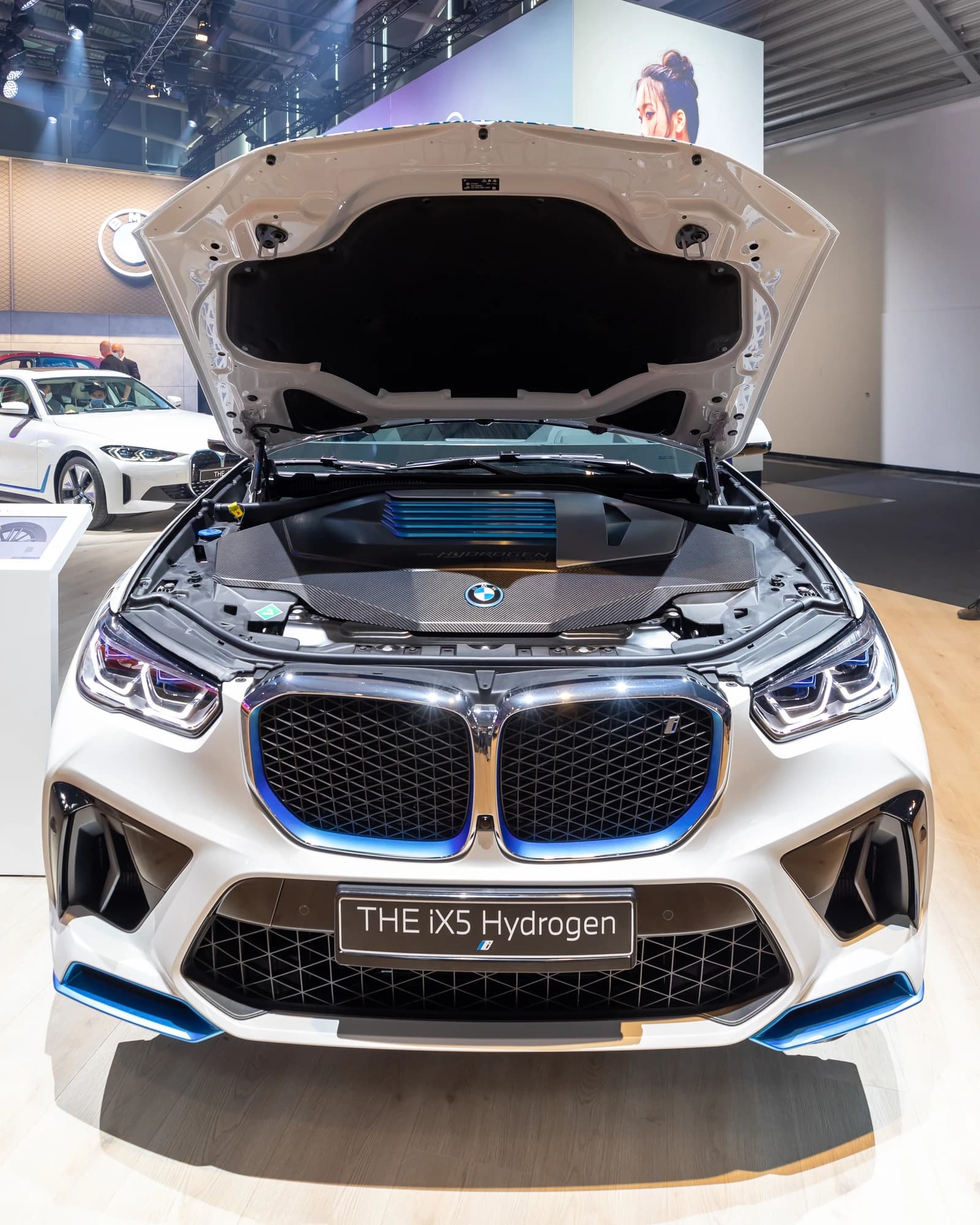
The company is testing the iX5 Hydrogen prototype in real-world conditions ahead of a planned series version, according to Autoblog, and says the fuel-cell SUV can travel up to 466 miles, or about 750 kilometers, on the WLTP cycle while refueling in less than five minutes. That puts BMW’s hydrogen push squarely at the intersection of consumer convenience and industrial strategy, with the company betting that fast refills and long range can win over drivers who are reluctant to go fully electric.
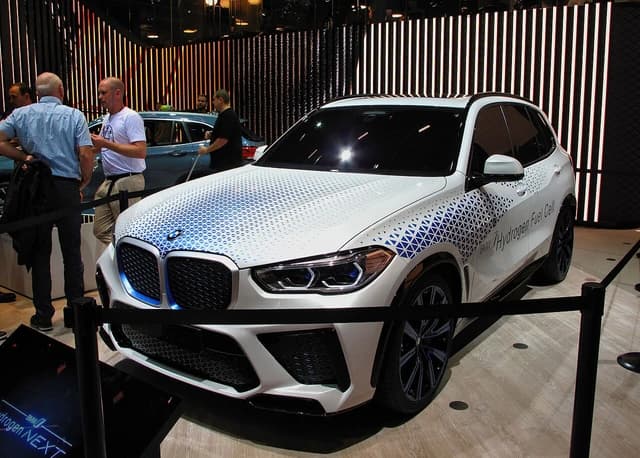
The vehicle is built around a third-generation hydrogen fuel-cell system developed with Toyota, a partnership that underscores how automakers are sharing costs as they chase low-emission alternatives to batteries. BMW says the new setup is more powerful and efficient than the previous version and takes up 25% less space, a key engineering gain for fitting the technology into an SUV platform.
Performance is also being used as a selling point. BMW expects the hydrogen X5 to hit 100 km/h in under five seconds, only slightly slower than the electric iX5’s 4.6-second sprint, suggesting the company wants to position fuel-cell vehicles as premium products rather than niche compliance cars.
The timing matters for investors because hydrogen remains a long-shot segment even as battery EV demand matures unevenly and automakers reassess capital allocation. BMW’s plan to manufacture fuel cells at its Steyr plant and launch the first next-generation X5 versions in October points to a broader effort to keep multiple powertrain options alive while the industry debates the pace of the transition away from combustion engines.
For shareholders, the question is less whether hydrogen can work technically — BMW’s prototype suggests it can — and more whether the market will pay for it. Fuel-cell vehicles need refueling infrastructure, supply chains and consumer adoption that still lag battery EVs, but they could gain traction in markets where downtime is costly and range anxiety remains a barrier.
BMW expects the electric iX5 in early 2027 and the series-production iX5 Hydrogen in 2028, leaving the automaker time to prove the platform, refine costs and gauge whether hydrogen can become more than an engineering showcase.
| Entity | Gains | Losses |
|---|---|---|
| BMW | ▲Longer-range premium EV option | ▼Near-term capex and execution risk |
| Toyota | ▲Fuel-cell technology validation | ▼Limits battery-only EV dominance |
| Battery EV rivals | ▲Pressure from range/charging critique | ▼Hydrogen alternative positioning |
| Consumers with range anxiety | ▲Faster refueling, 466-mile range | ▼Thin fueling infrastructure |