Volvo Cars is using the EX60 to fight for a bigger share of the fast-evolving premium electric SUV market, pitching longer range, faster charging and a lower entry price against BMW’s iX3 and Mercedes-Benz’s new GLC.
Volvo EX60 challenges BMW iX3 and Mercedes GLC
The stakes are high because this is the heart of the European luxury EV segment, where buyers are comparing not just range and performance but software, charging architecture, towing ability and production readiness. For Volvo, the EX60 is also a crucial product launch as it tries to sharpen its EV line-up against German rivals that are already in production or headed to showrooms.
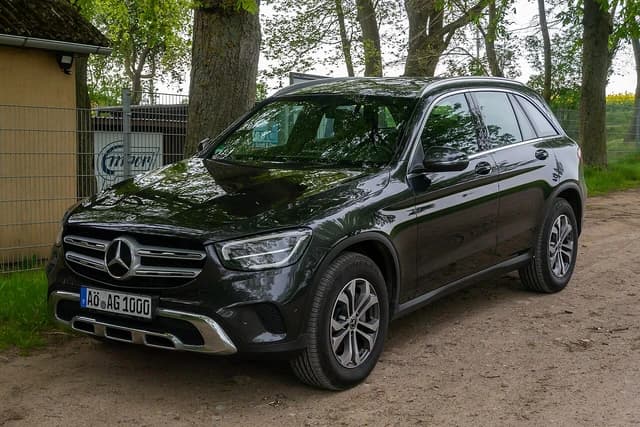
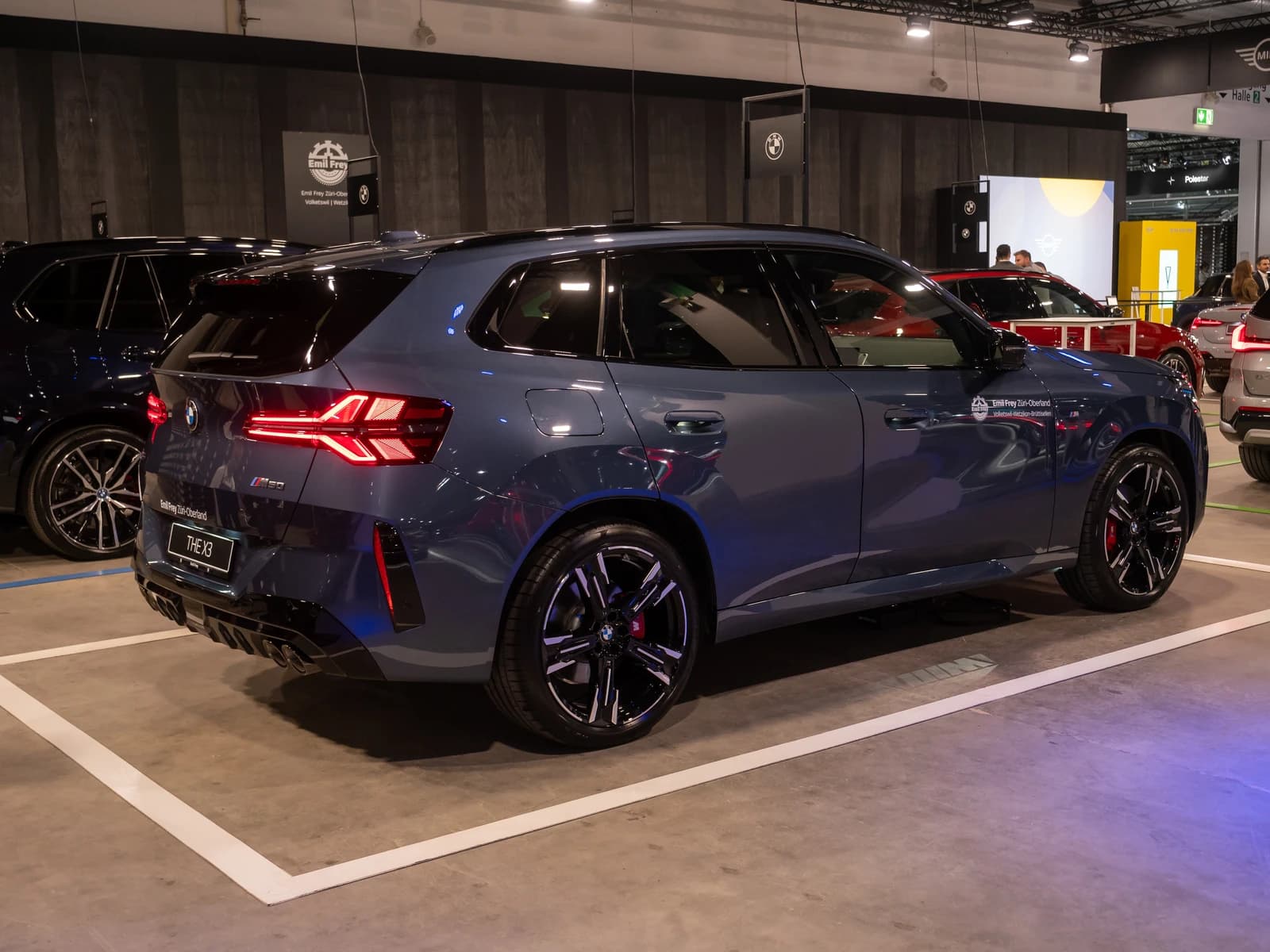
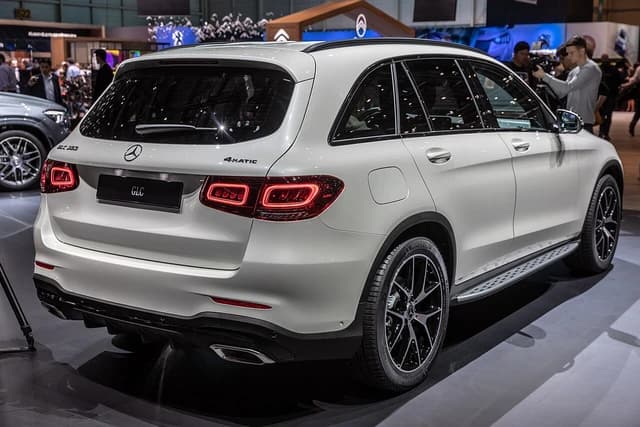
On paper, the three mid-size crossovers are close in size, but the differences matter. Mercedes’ GLC is the most traditional in design and can be specified with the widest screen setup, including an optional Hyperscreen, full air suspension and rear-axle steering. BMW’s iX3 leans hardest into differentiation, with a slim iVision display at the base of the windscreen and hands-free Highway Assist on motorways, a feature the Swedish brand does not yet match.
Volvo is trying to win on efficiency and packaging. The EX60 offers 275 kW, 375 kW and 500 kW versions, with the mid-spec all-wheel-drive model outpowering the comparable BMW and Mercedes variants by 15 kW and 30 kW respectively. Volvo says the EX60 can go up to 810 km in its longest-range version, though that model arrives later and the comparable P10 AWD has a shorter range and the highest energy consumption in the trio.
Charging and ownership cost may prove more important than headline numbers. BMW leads on maximum charging capacity, but Volvo says the EX60’s charging curve makes it quicker in real-world use, while also fitting a 22 kW on-board AC charger as standard. Volvo is also undercutting the Germans on bidirectional charging hardware, bundling a wallbox for SEK 9,900, with vehicle-to-home use due from August 2026.
Practicality is close, but not identical. Mercedes claims the most space inside and the largest frunk in a passenger car, while Volvo offers a split boot floor for easier access and the EX60 and GLC can both tow 2.4 tonnes, ahead of BMW’s 2 tonnes. The market will decide how much these details matter against brand strength and software execution.
What may matter most for investors is that Volvo is taking a more complex route to launch than BMW and Mercedes. The EX60 will go into production in week 17 at Torslanda using megacasting, with deliveries starting in the summer, while BMW’s iX3 is already in production in Hungary and Mercedes’ GLC is due in showrooms first. That puts pressure on Volvo to prove it can turn technical ambition into volume and margin as competition intensifies across premium EVs.
Volvo Cars shares, listed in Stockholm, have recently been volatile, and the stock’s 50-day moving average and RSI readings show a market that is still digesting the EV turnaround story rather than pricing in a clean win. The key catalyst now is whether the EX60’s summer launch translates into orders, margin support and a credible challenge to BMW and Mercedes in one of the industry’s most competitive segments.
| Entity | Gains | Losses |
|---|---|---|
| Volvo Cars | ▲Lower entry price, strong range claim | ▼Later launch, complex production |
| BMW iX3 | ▲Already in production, hands-free assist | ▼Shorter range, less towing |
| Mercedes GLC | ▲Most space, fastest launch, rich features | ▼Higher complexity, less conventional design |