BMW’s updated X3 M50 xDrive is really about one thing: keeping a hot-selling performance SUV relevant as Europe’s tougher emissions rules force automakers to rethink how they deliver speed, style and compliance in the same package.
BMW X3 M50 gets 443 hp Euro 7 update
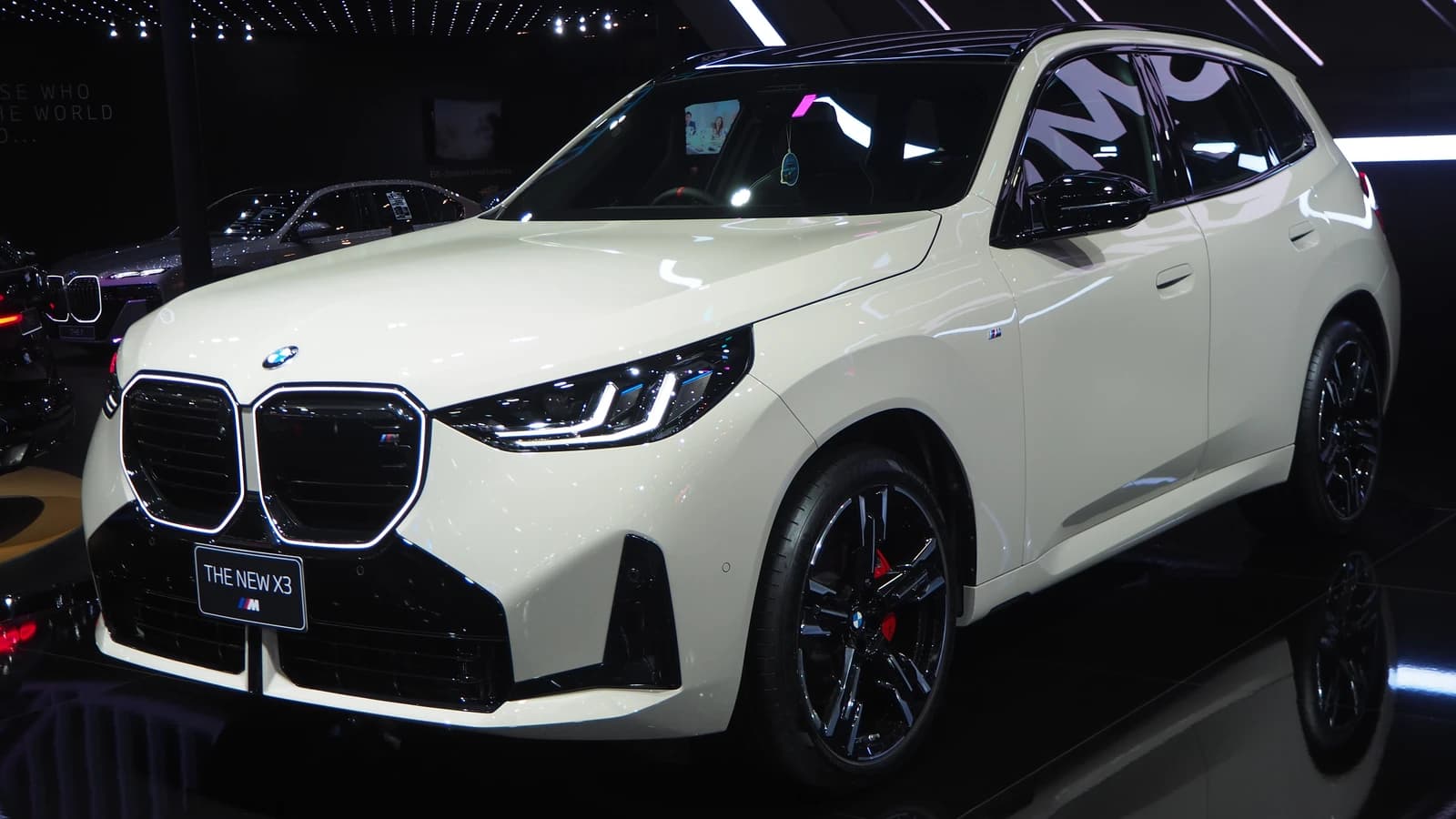
The 2027 X3 M50 now comes with a 3.0-liter turbocharged inline six making 443 horsepower and 580 Nm of torque, up from 381 horsepower and 540 Nm in the outgoing version. That lifts the 0-100 km/h sprint to 4.4 seconds from 4.6 seconds. For buyers, that means BMW has managed to add performance while bringing the engine into line with Euro 7 standards — no small feat in a market where regulation is steadily narrowing the room for big internal-combustion engines.
That matters economically because premium SUVs are among the most profitable vehicles in the industry. BMW does not need the X3 M50 to be a volume seller on the scale of its mass-market crossovers; it needs it to carry healthy margins, reinforce the brand and keep affluent customers inside the BMW ecosystem rather than drifting to Mercedes-Benz, Audi or Porsche. In a slower global auto market, profitable trim levels like this matter more than ever.
The Black Package is part of that same playbook. BMW is not just selling more power; it is selling exclusivity. The package adds 22-inch Polygon 1134 M Black wheels, black-painted M Sport brake calipers, darker badging and an Alcantara-heavy cabin with blue accents. Those touches cost far less to add than they can justify in pricing power, which is why appearance packages remain such a valuable lever for luxury automakers.
BMW is also using the X3 refresh to widen the appeal of the rest of the lineup. Other X3 variants get interior updates from December 2026, including revised stitching, Softskin surfaces and extra ambient lighting, while the X3 20 xDrive’s 4-cylinder gasoline engine is also Euro 7-compliant. That suggests BMW is trying to future-proof the entire nameplate, not just its performance version, and reduce the risk that regulatory changes force a larger redesign sooner than planned.
For investors, the message is straightforward: BMW is defending one of its core premium franchises by blending compliance, performance and higher-content trims. That is exactly how legacy automakers protect earnings power during the transition away from unrestricted combustion engines. The near-term upside is better mix and stronger pricing. The longer-term question is how long BMW can keep extracting that premium from internal-combustion SUVs before electrification takes over more of the growth story.
The price has not been announced yet, which leaves room for BMW to decide how aggressively it wants to monetize the extra output and cosmetic upgrades. For now, the X3 M50 update looks less like a simple model refresh and more like a reminder that the best auto businesses still know how to make regulation work in their favor. For long-term investors, BMW remains worth watching.
| Entity | Gains | Losses |
|---|---|---|
| BMW | ▲Higher-margin SUV mix | ▼None in the short term |
| Buyers of X3 M50 | ▲More power, newer tech | ▼Likely higher price |
| Mercedes-Benz, Audi, Porsche | ▲Competitive pressure eased? | ▼BMW’s upgraded rival |
| Emissions regulators | ▲Cleaner-compliant lineup | ▼Less room for old-school engines |