The United States and China have agreed to open a communication channel for AI incidents, a small but consequential step that could reduce the risk that a software failure, cyber spillover or military misread turns a technology dispute into a broader geopolitical crisis.
U.S. and China open AI incident channel
The move matters because AI is becoming embedded in defense, communications and critical infrastructure just as Washington and Beijing are deepening their rivalry over chips, model access and military modernization. A dedicated incident line does not resolve the strategic competition, but it gives both sides a faster way to de-escalate if an AI system is implicated in a security event, an area where miscalculation could be costly for markets and policy alike.
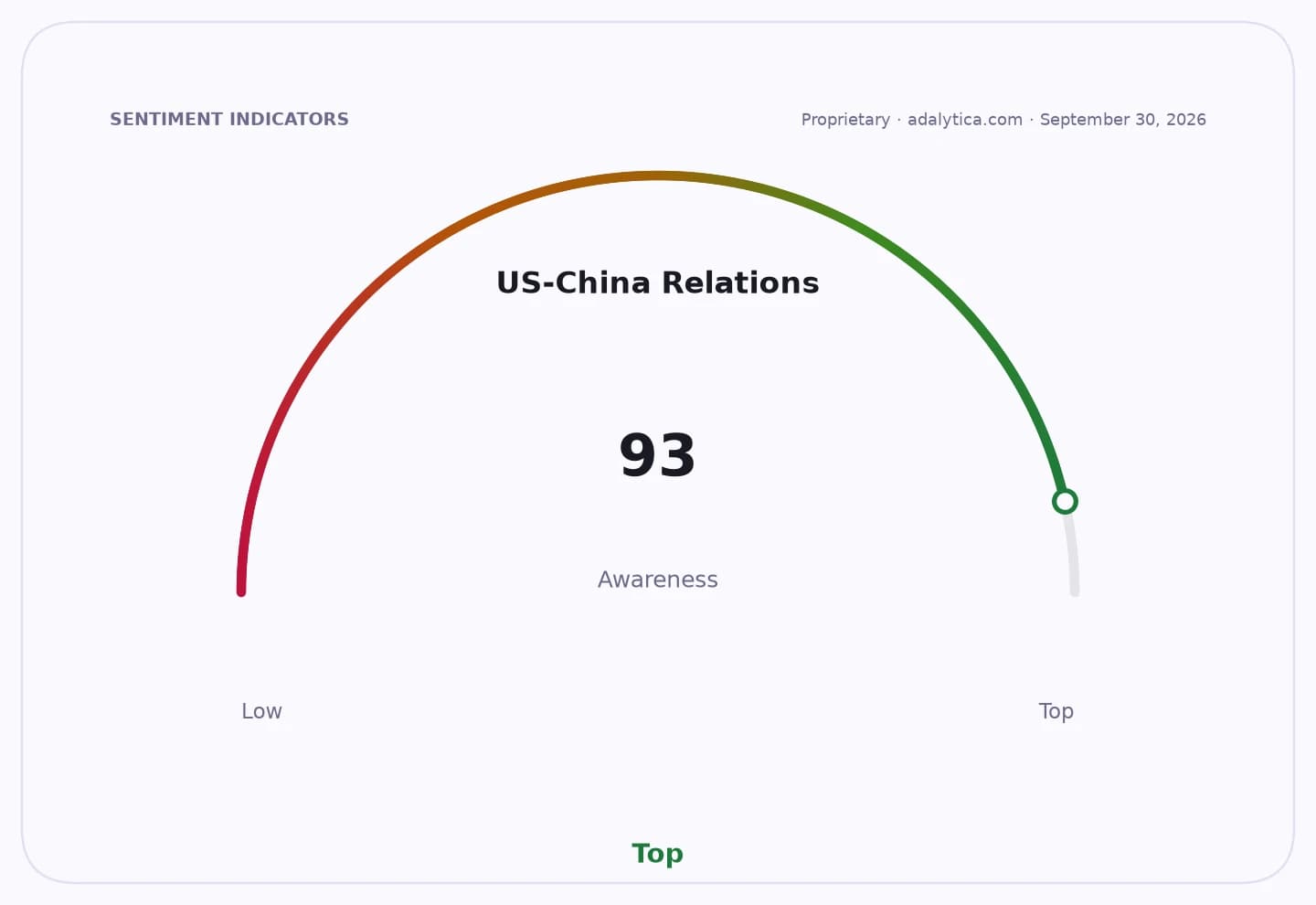
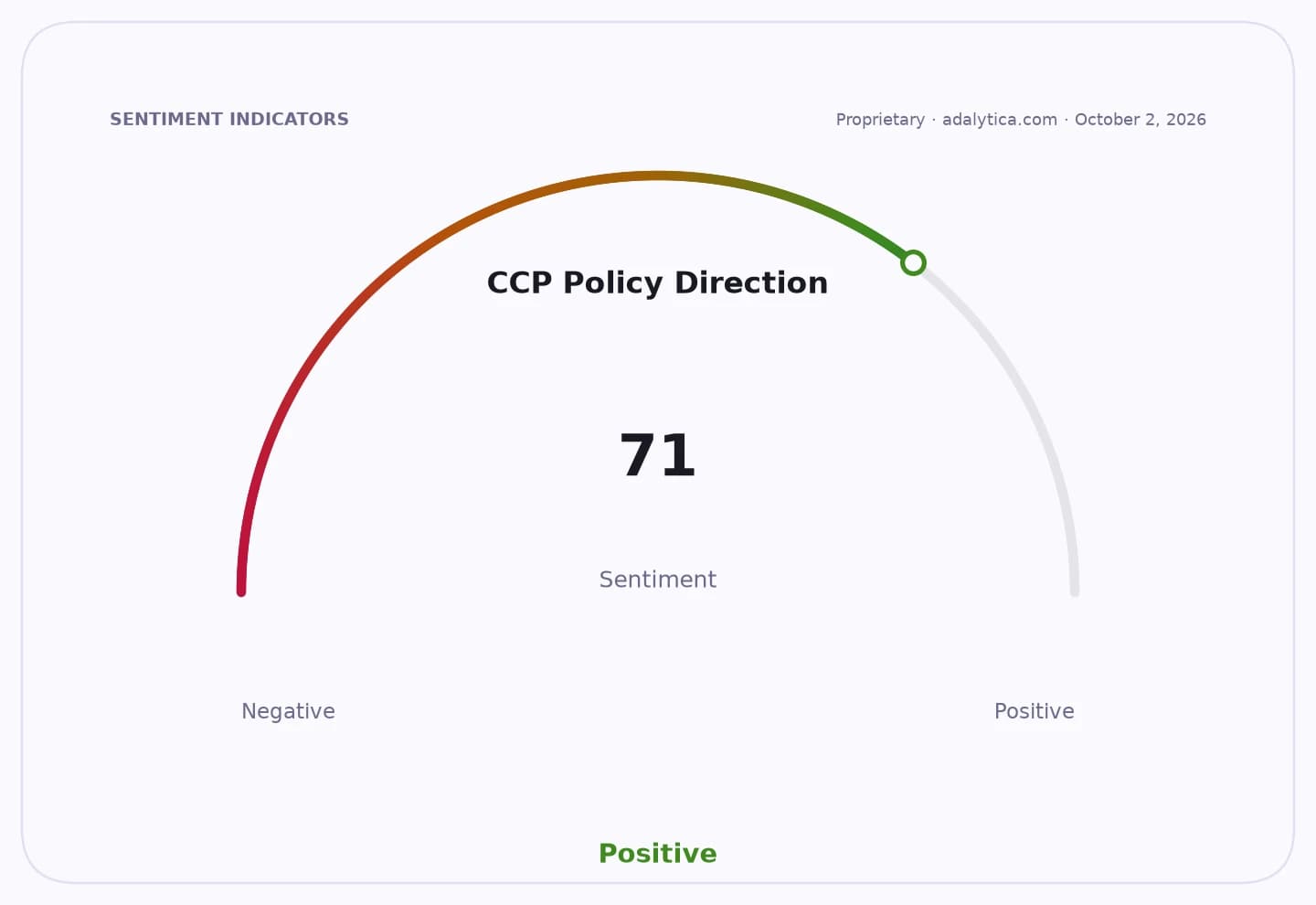
Sentiment IndicatorsⓘProprietary · adalytica.com · October 2, 2026
This is a snapshot — live sentiment, awareness and momentum for 130+ markets update continuously in the dashboard.Open AlphaPulse
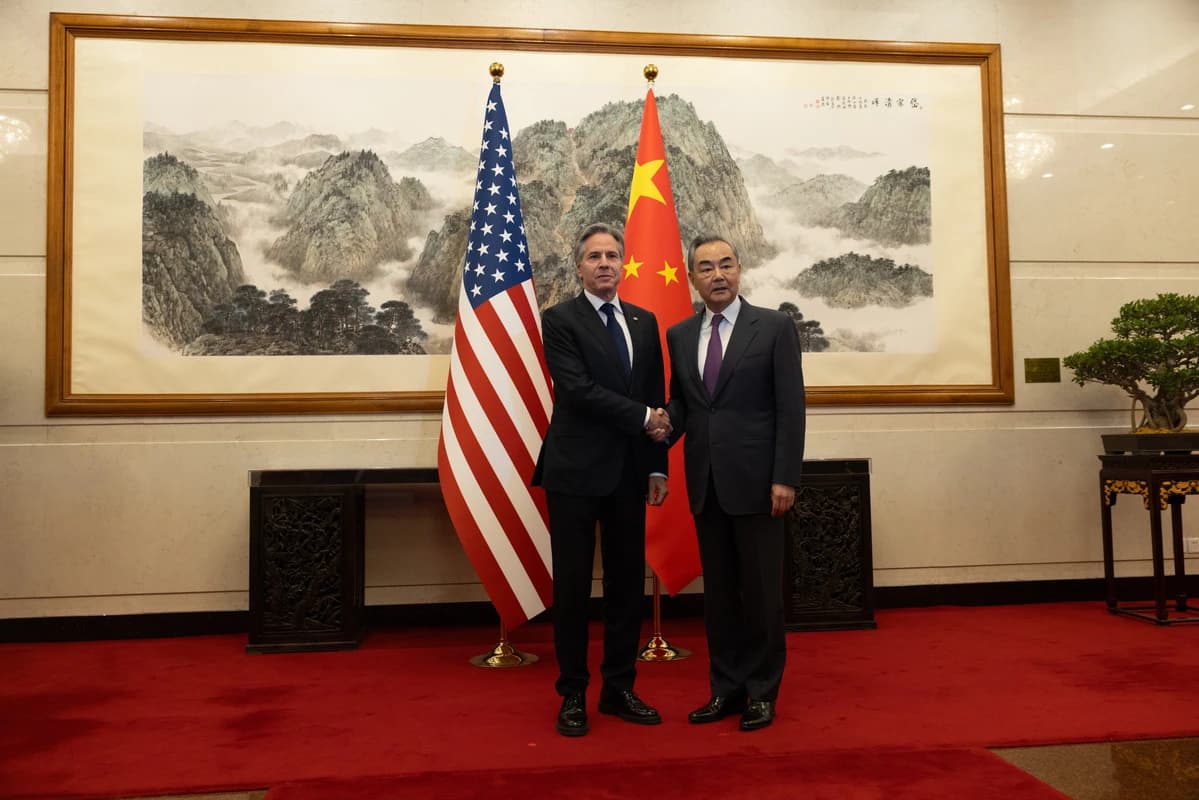
The White House said the AI channel was one of several concrete outcomes from the leaders’ talks, alongside a commitment to keep meeting at international gatherings in the months ahead. President Donald Trump and President Xi Jinping also agreed to see each other again at the APEC summit in Shenzhen in November and at the G20 in Miami in December, signaling that both governments want to preserve a working diplomatic track even as tensions over trade, technology and security remain unresolved.
For investors, the significance lies less in any immediate policy change than in the reduced probability of a sudden escalation in U.S.-China technology relations. AI is now a live issue for semiconductor suppliers, cloud providers, defense contractors and the broader mega-cap technology complex. A clearer line of communication could lower the tail risk of retaliatory measures or accident-driven restrictions that might otherwise hit companies exposed to cross-border chip supply chains, model deployment or overseas regulation.
That is especially relevant for Nvidia, Microsoft and Alphabet, whose shares have all been trading near technically important levels after a volatile year. Nvidia closed at $230.86 on Oct. 1, above its 50-day moving average of $217.61 and near the upper end of its recent Bollinger Band range, while Microsoft finished at $512.80, just below its upper band and above its 50-day average. Alphabet ended at $338.24, roughly in line with its 50-day average. The price action suggests markets have been willing to pay for AI exposure, but they remain sensitive to any policy shock that could alter chip demand, cloud growth or licensing access in China.
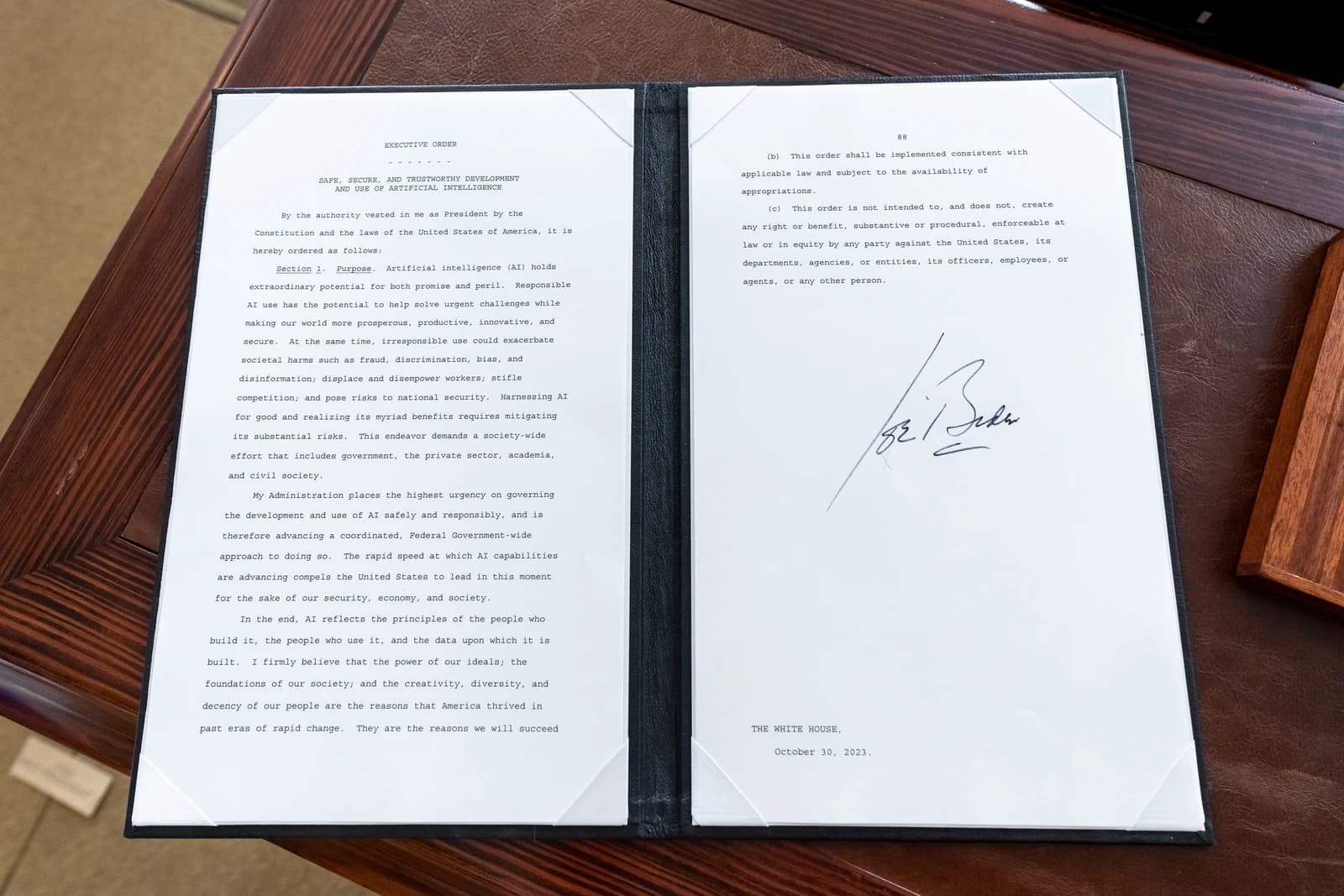
The diplomatic channel also reflects a broader reality: AI is no longer only a commercial story, but a national security one. The Pentagon’s push to sharpen its AI and drone warfare capabilities has reinforced fears that autonomous systems could amplify military risk, not just productivity. At the same time, both companies’ filings warn that AI raises legal, regulatory and reputational hazards, from model misuse to government restrictions on deployment and cross-border access.
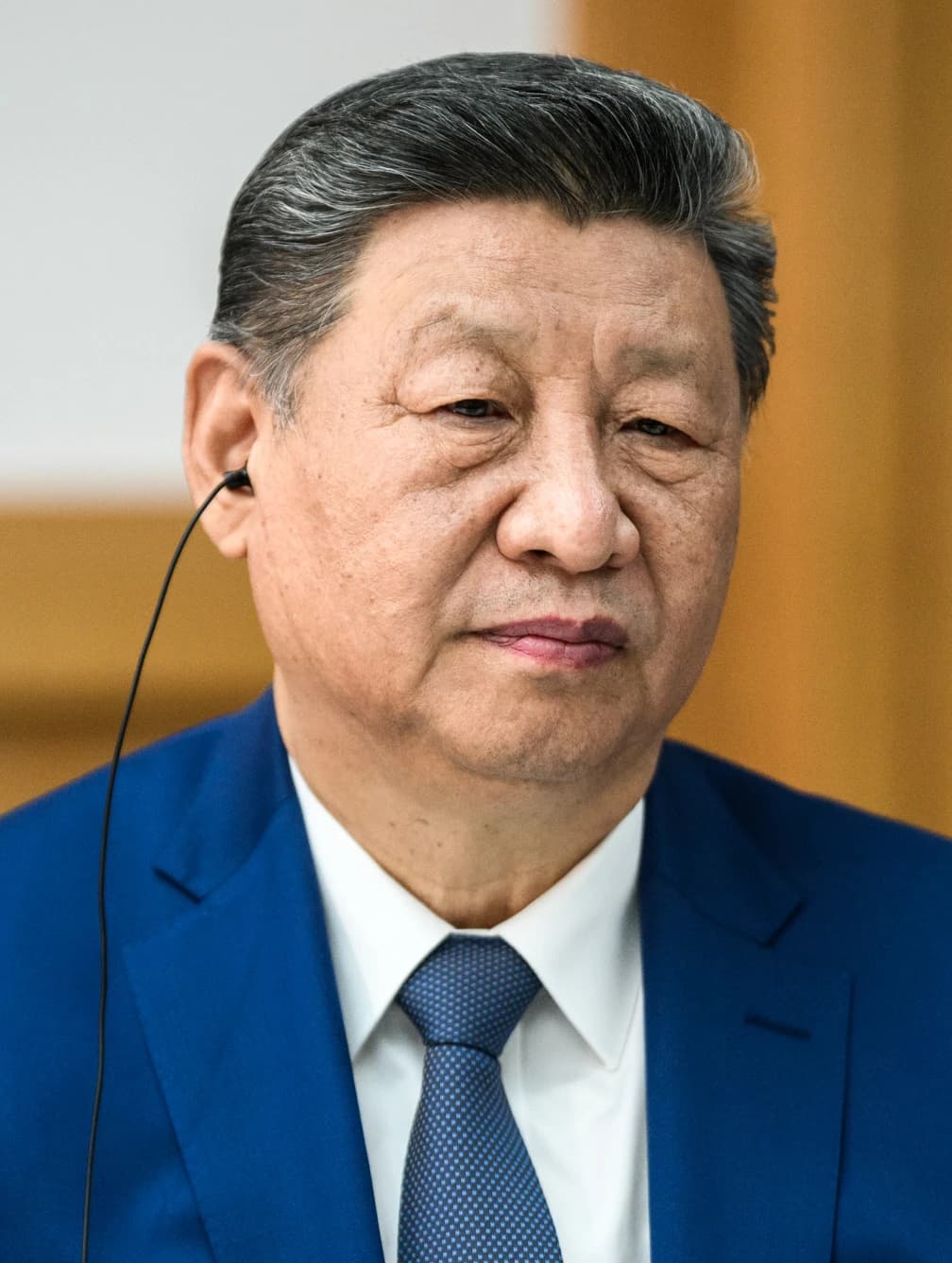
China’s side of the equation is equally important. Xi has repeatedly framed AI development as something that must remain under human control, a stance that contrasts with Trump’s earlier dismissal of warnings that AI could pose an existential threat. The new incident channel gives both governments a practical mechanism to manage those differing views without forcing an immediate consensus on the ethics or regulation of AI.
The market implication is that de-risking, not détente, is the base case. The channel may reduce the odds of an abrupt confrontation, but it does not eliminate competition over advanced semiconductors, cloud infrastructure or military AI. Investors should watch whether the November and December summits produce narrower guardrails around AI safety, data flows or chip exports, and whether any incident involving autonomous systems tests the credibility of the new line of communication.
| Entity | Gains | Losses |
|---|---|---|
| US and China | ▲Lower escalation risk | ▼Less room for strategic ambiguity |
| Nvidia, Microsoft, Alphabet | ▲Fewer policy shocks | ▼Continued regulatory overhang |
| Defense and security hawks | ▲Crisis-management channel | ▼Harder to push for maximal restrictions |
| AI users and chip supply chains | ▲More predictability | ▼Slower path to unilateral moves |