Nvidia’s rise from scrappy graphics-chip maker to the center of the artificial-intelligence boom was built on a relationship that nearly never happened: Jensen Huang says he had to chase TSMC for years before anyone would call him back.
Nvidia and TSMC supply-chain dependence explained
That detail matters because it underscores how dependent the global AI supply chain is on a handful of manufacturing partners, and how much of Nvidia’s current dominance rests on a two-decade bet on Taiwan Semiconductor Manufacturing Co. rather than on any single product cycle. For investors, the story is less about nostalgia than about concentration risk: the same foundry that once ignored Nvidia is now indispensable to making its most advanced AI chips.
Sentiment IndicatorsⓘProprietary · adalytica.com · October 17, 2026
This is a snapshot — live sentiment, awareness and momentum for 130+ markets update continuously in the dashboard.Open AlphaPulse
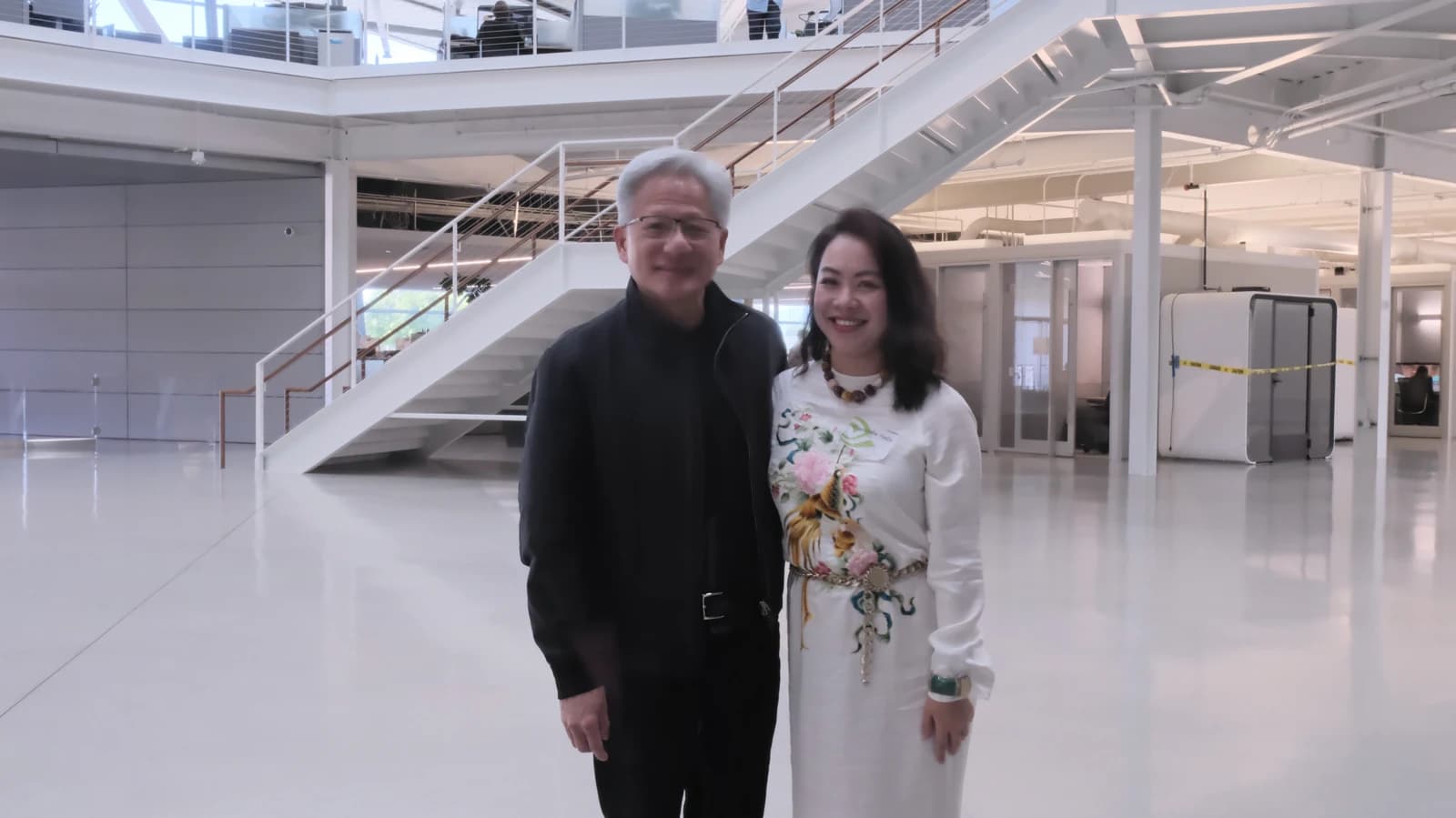
Huang recounted in a video with podcaster Lex Fridman that when Nvidia was looking for a maker for its graphics chips in the late 1990s, he found TSMC’s US number in the Yellow Pages, rang repeatedly and got no response. After leaving messages and writing a long letter to founder Morris Chang, Huang said he finally received an evening call from Chang, who invited him to Taiwan.
Chang’s pitch was simple and, in hindsight, formative for both companies. Huang said TSMC emphasized integrity, governance and long-term partnership, and promised to “go through fire and water” for Nvidia. “The whole time, for 30 years, they have done everything for us,” Huang said.
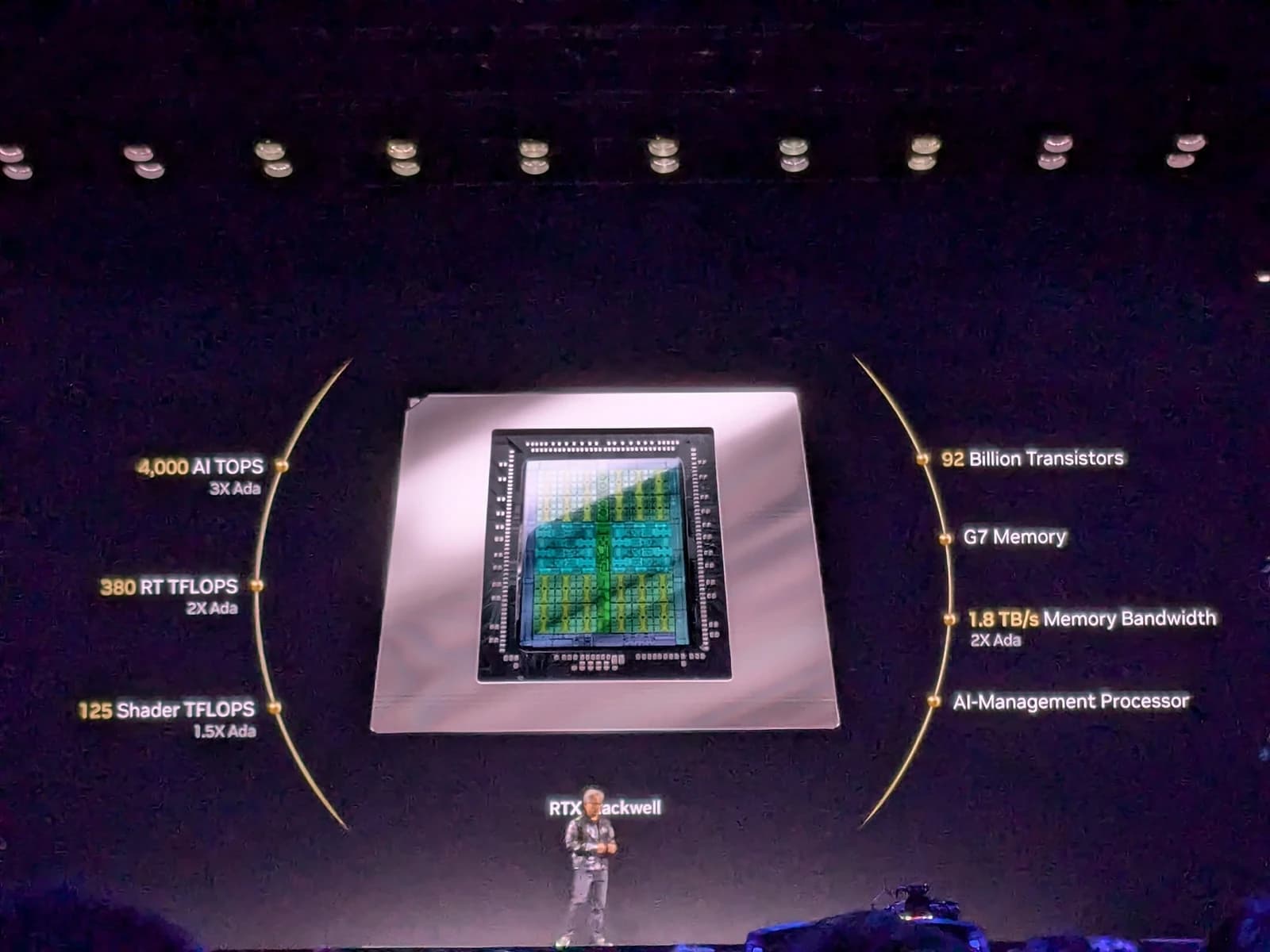
The anecdote lands at a moment when TSMC’s strategic importance is larger than ever. Nvidia’s latest-generation AI accelerators are manufactured by TSMC, making the Taiwanese company a critical choke point in the infrastructure buildout that has propelled Nvidia to the top of global equity markets. The relationship has also become a proxy for the broader geopolitical and industrial push to secure advanced chip production outside a single island and a single company.
That concentration is visible in market behavior. Nvidia shares have been volatile in recent sessions, but remain far above levels seen earlier this year, while TSMC has also traded near the upper end of its recent range. Standard technical indicators show both names have cooled from overheated conditions: Nvidia’s 14-day RSI sat at 32.9 in the latest reading, below its 50-day moving average, while TSMC’s RSI was 31.6 and its stock also slipped under its 50-day average. Those readings suggest investors are digesting gains after a powerful AI-led rally rather than abandoning the theme.
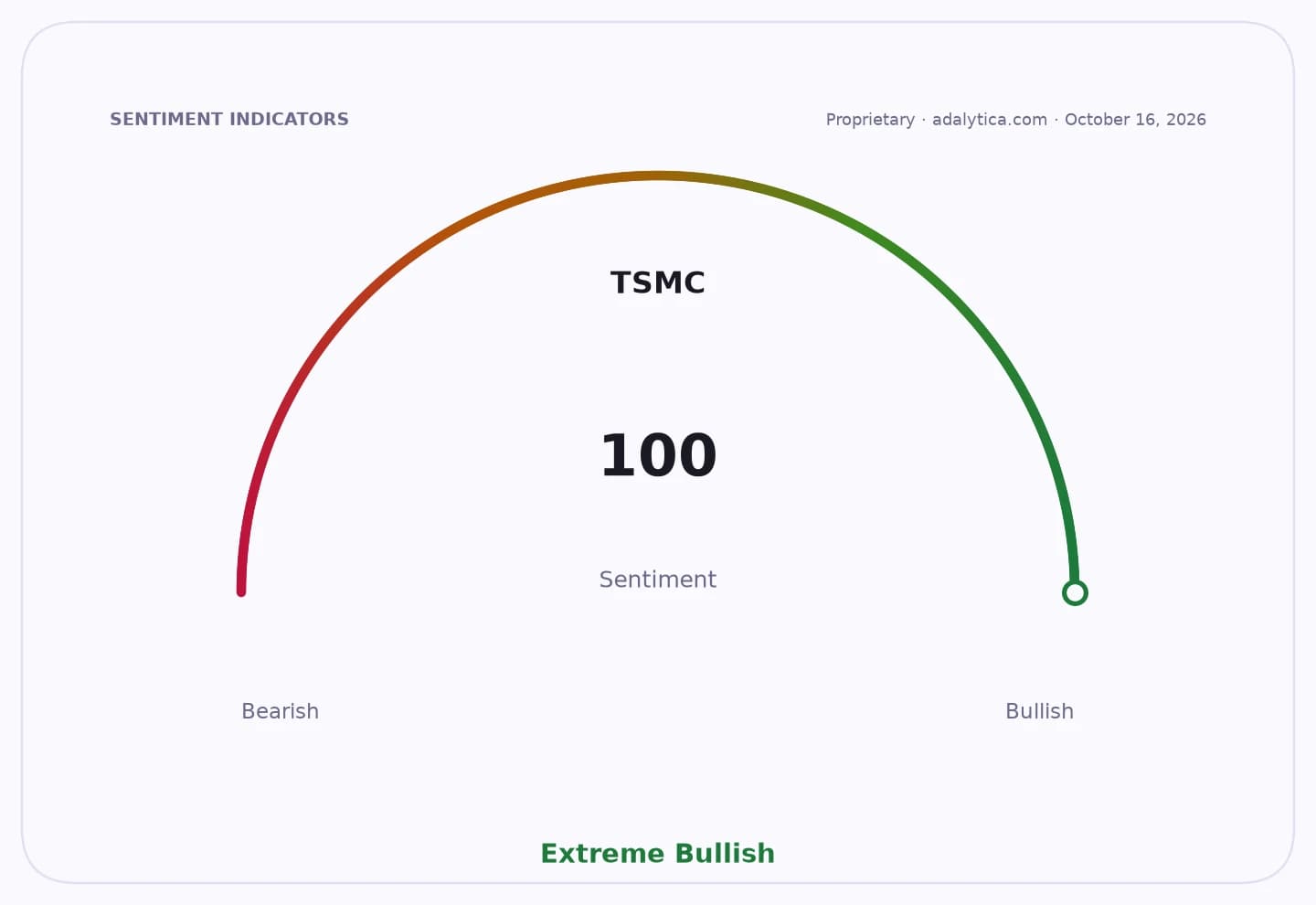
Adalytica’s proprietary sentiment gauge still shows strong optimism around both names, with TSMC at 100 sentiment and 100 awareness, and Nvidia at 80 sentiment despite a recent pullback in awareness. That combination points to a market that still sees the pair as core beneficiaries of AI spending, even as valuation and supply-chain concentration risk keep traders cautious.
The broader investment case remains tied to execution, not sentiment. Nvidia’s earnings power depends on TSMC’s ability to keep delivering leading-edge capacity as demand shifts from GPUs alone toward full AI systems. Any disruption to that chain — whether from capacity constraints, pricing power, or geopolitical stress — would hit Nvidia first and ripple through the rest of the AI trade.
For now, the message from Huang’s story is that Nvidia’s competitive edge was not only design brilliance but access to manufacturing at the right moment. That access was hard-won, and it remains one of the most important dependencies in technology.
| Entity | Gains | Losses |
|---|---|---|
| Nvidia | ▲Reliable cutting-edge manufacturing | ▼Supplier concentration risk |
| TSMC | ▲Long-term strategic customer | ▼Exposure to geopolitical scrutiny |
| Investors in AI hardware | ▲Continued demand visibility | ▼Higher valuation and supply risk |
| Rival foundries | ▲More pressure to win advanced orders | ▼Nvidia’s loyalty to TSMC |