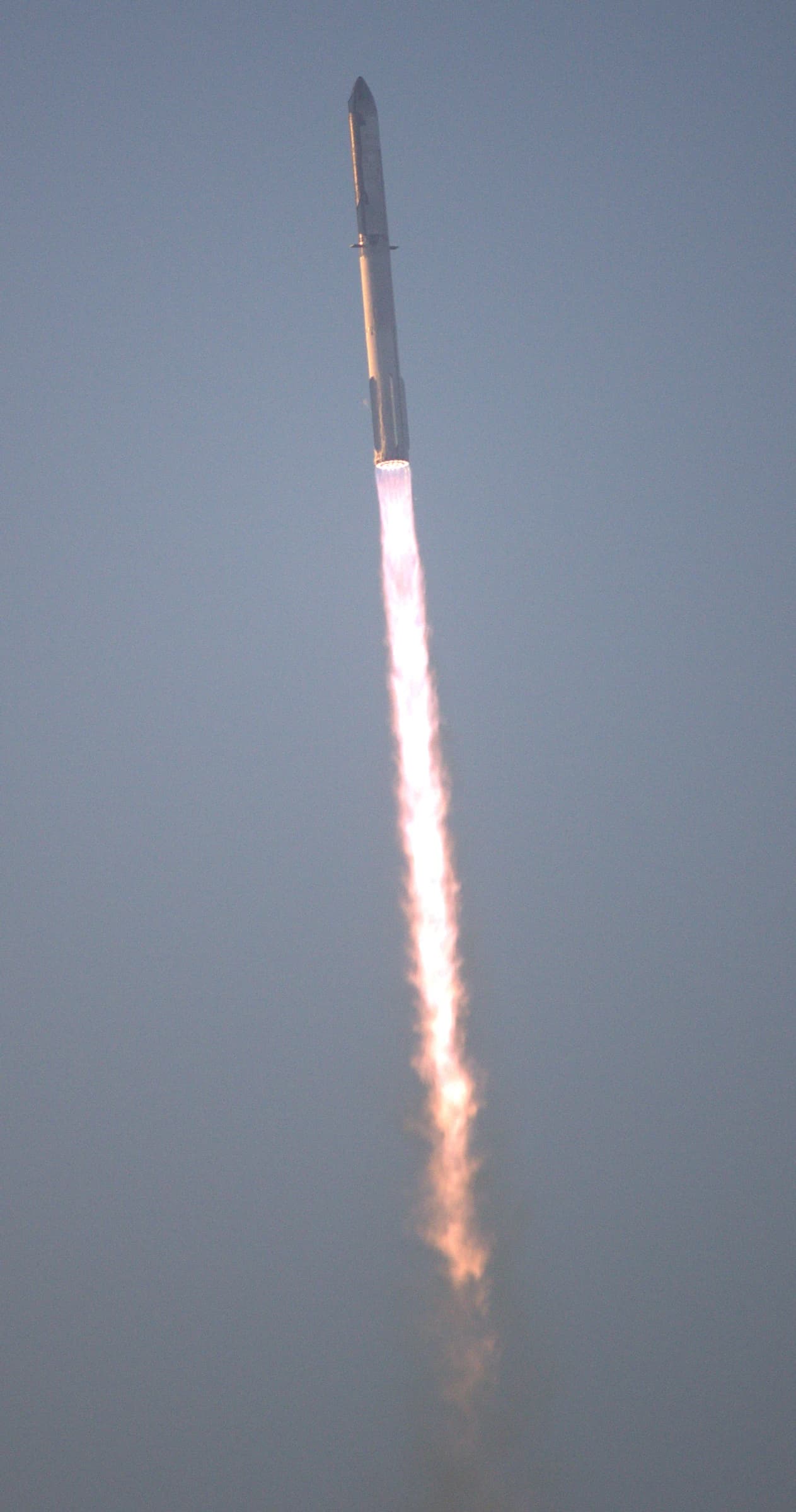
SpaceX is lining up about $40 billion of borrowing to buy Nvidia chips, a move that shows just how much the artificial intelligence race is forcing even the richest private companies to lean on debt to fund the next wave of computing power.
SpaceX Plans $40 Billion Debt for Nvidia Chips

That matters because this is no ordinary capital raise. Apollo is leading a package of bank loans and investment-grade bonds that would give Elon Musk’s rocket maker fresh firepower to stockpile the processors now powering everything from model training to advanced automation. In effect, SpaceX is trying to buy time and capacity at a moment when access to high-end chips may matter as much as the chips themselves.
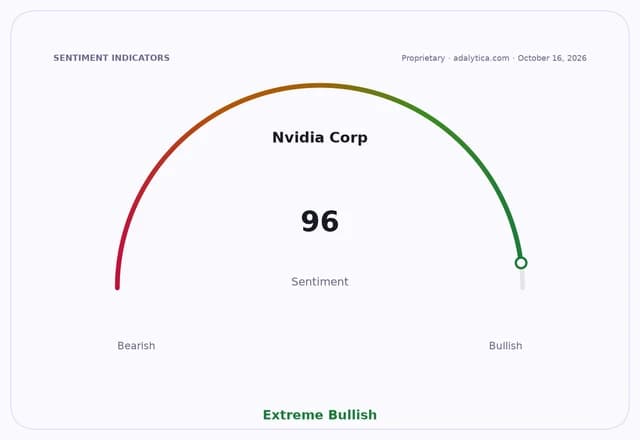
For investors, the message is straightforward: AI infrastructure is becoming a balance-sheet story, not just a software story. When a company with SpaceX’s scale and ambitions reaches for tens of billions in credit, it underscores how expensive the AI buildout has become. It also helps explain why chipmakers remain at the center of the market’s enthusiasm even after a fierce run-up and sharp swings.
Nvidia stands to benefit most directly. Its shares edged higher on the news, while SpaceX paper fell, a reminder that markets still reward the suppliers of scarce AI hardware even when buyers take on more leverage to secure it. Nvidia has already told investors that its supply commitments surged to $279 billion as of late July, a sign that demand is running well ahead of near-term capacity.
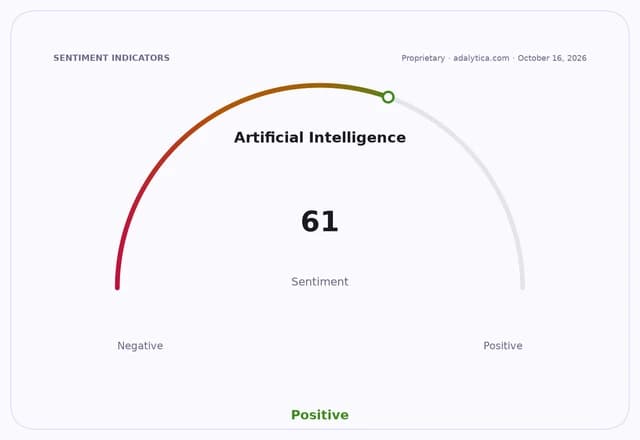
That demand backdrop helps explain why AI remains one of the most powerful long-term themes in the market. TSMC, Nvidia’s key manufacturing partner, has been riding record profits from AI-related orders, while Microsoft has been building its own chips to reduce dependence on outside suppliers and lower costs. The entire ecosystem is scaling at once, from chip design to foundry output to cloud data centers.
Still, there is a financing risk hidden inside the boom. Rising borrowing costs and heavier debt loads can squeeze returns if chip deployments disappoint or if AI monetization takes longer than hoped. Investors should watch not only who wins the orders, but who is stuck paying for the infrastructure.
For long-term investors, the bigger takeaway is that AI spending is still early and capital intensive. The companies that control the best chips, manufacturing capacity and distribution channels should keep compounding for years, but the fastest gains may come with more volatility than many expect. If you own the picks-and-shovels names, this is a story to add to your watchlist — not because it is risk-free, but because it shows the scale of the opportunity.
| Entity | Gains | Losses |
|---|---|---|
| Nvidia | ▲More chip demand | ▼Capacity strain |
| SpaceX | ▲AI compute access | ▼Higher leverage |
| Apollo lenders | ▲Interest income | ▼Credit risk |
| TSMC | ▲Foundry demand | ▼Supply pressure |