Nvidia is still getting only a sliver of revenue from physical AI, but that may be exactly why investors should pay attention: the company already sells across the full stack of robotics and autonomous systems, and the market is treating that optionality as a reason to keep owning the shares.
Nvidia physical AI revenue and robotics exposure
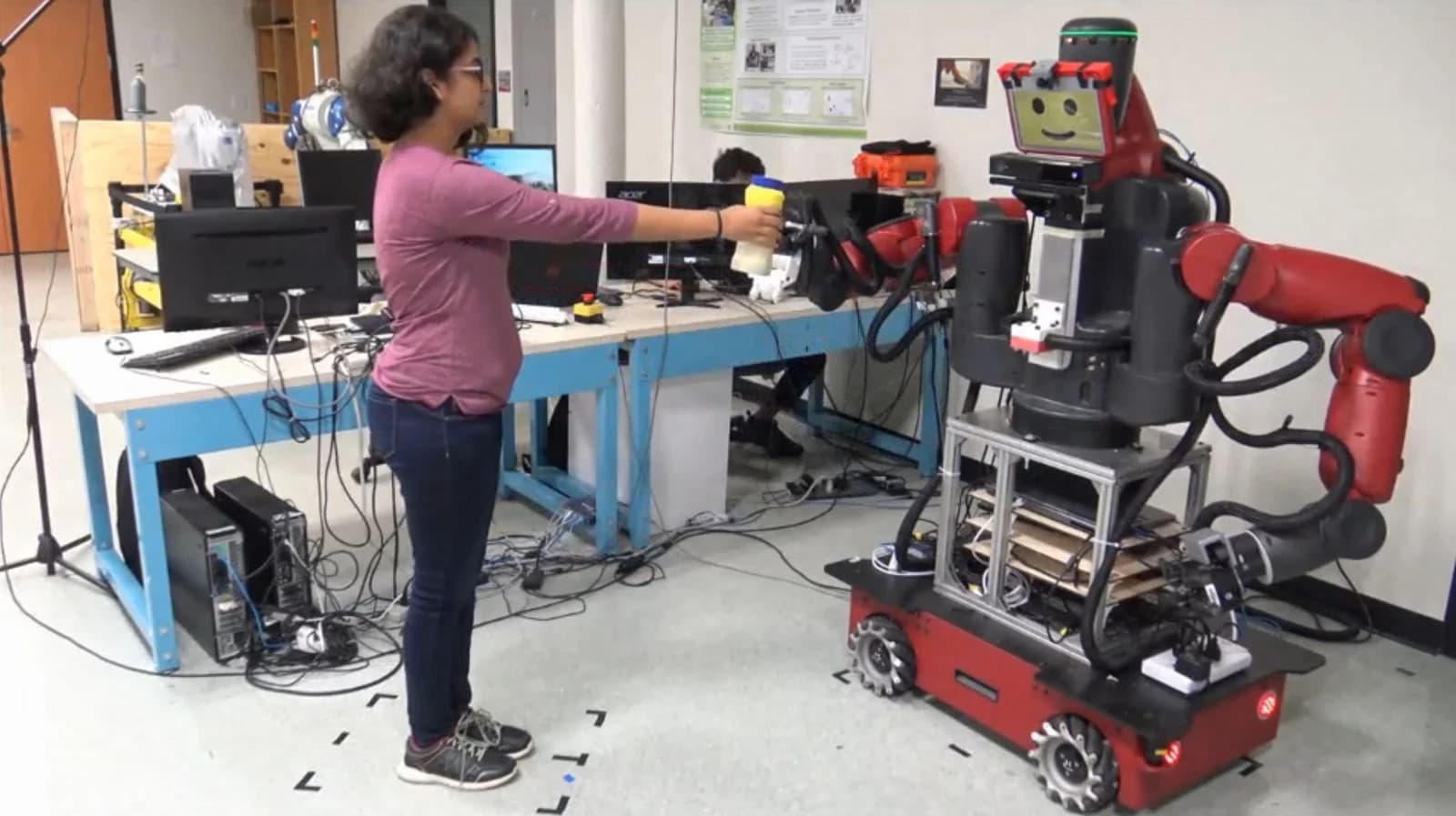
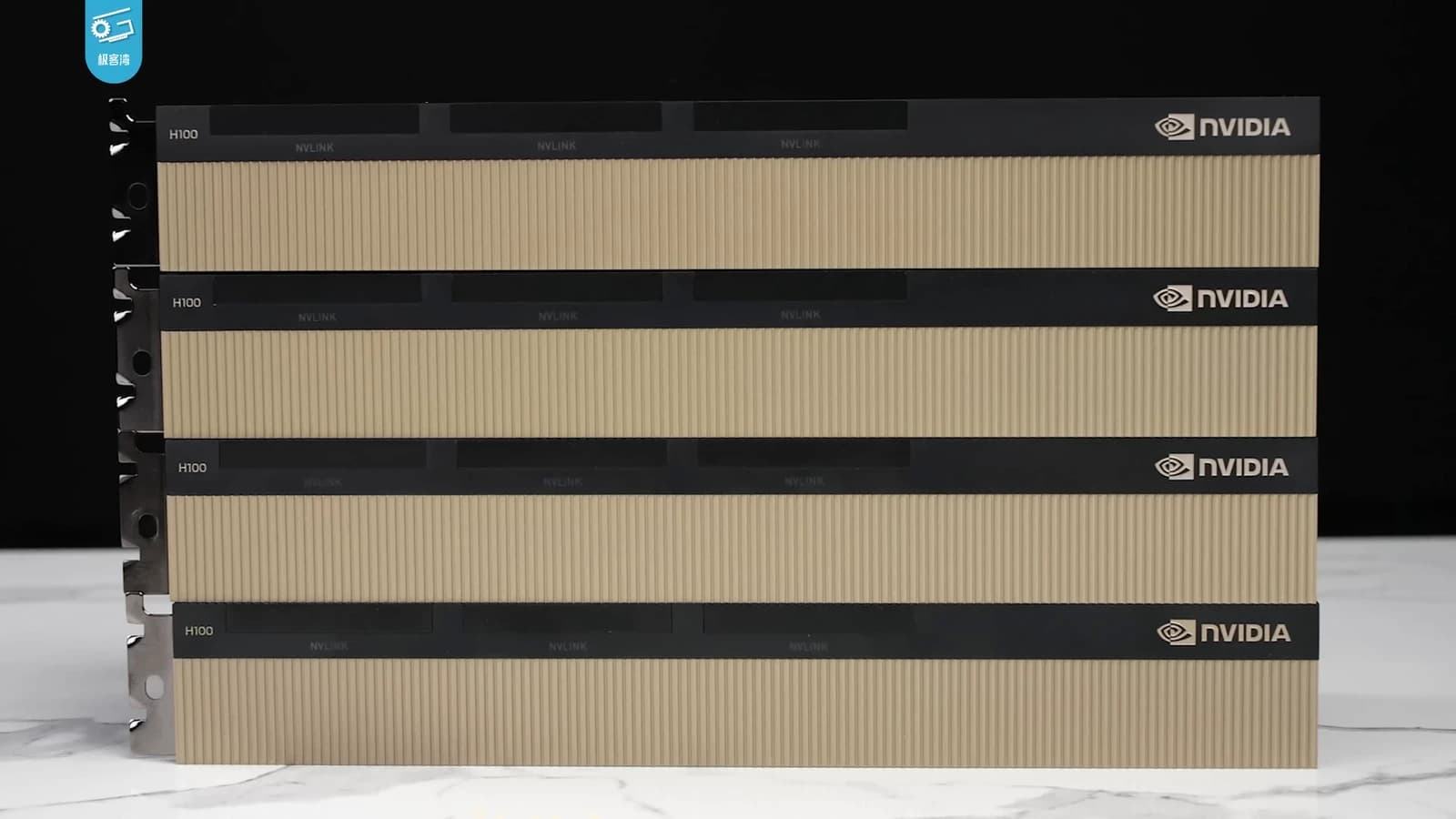
The economic case is straightforward. Physical AI — software and compute that help machines perceive, decide and act in the real world — is moving from concept to spending category as robot makers, automakers and warehouse operators build out training, simulation and on-device inference systems. Nvidia is one of the few companies exposed to all three layers, from data-center chips used to train models to Jetson Thor computers inside robots and DRIVE Hyperion for self-driving vehicles. That breadth matters because early spending in physical AI tends to land first in infrastructure budgets, not in end-product revenue lines.
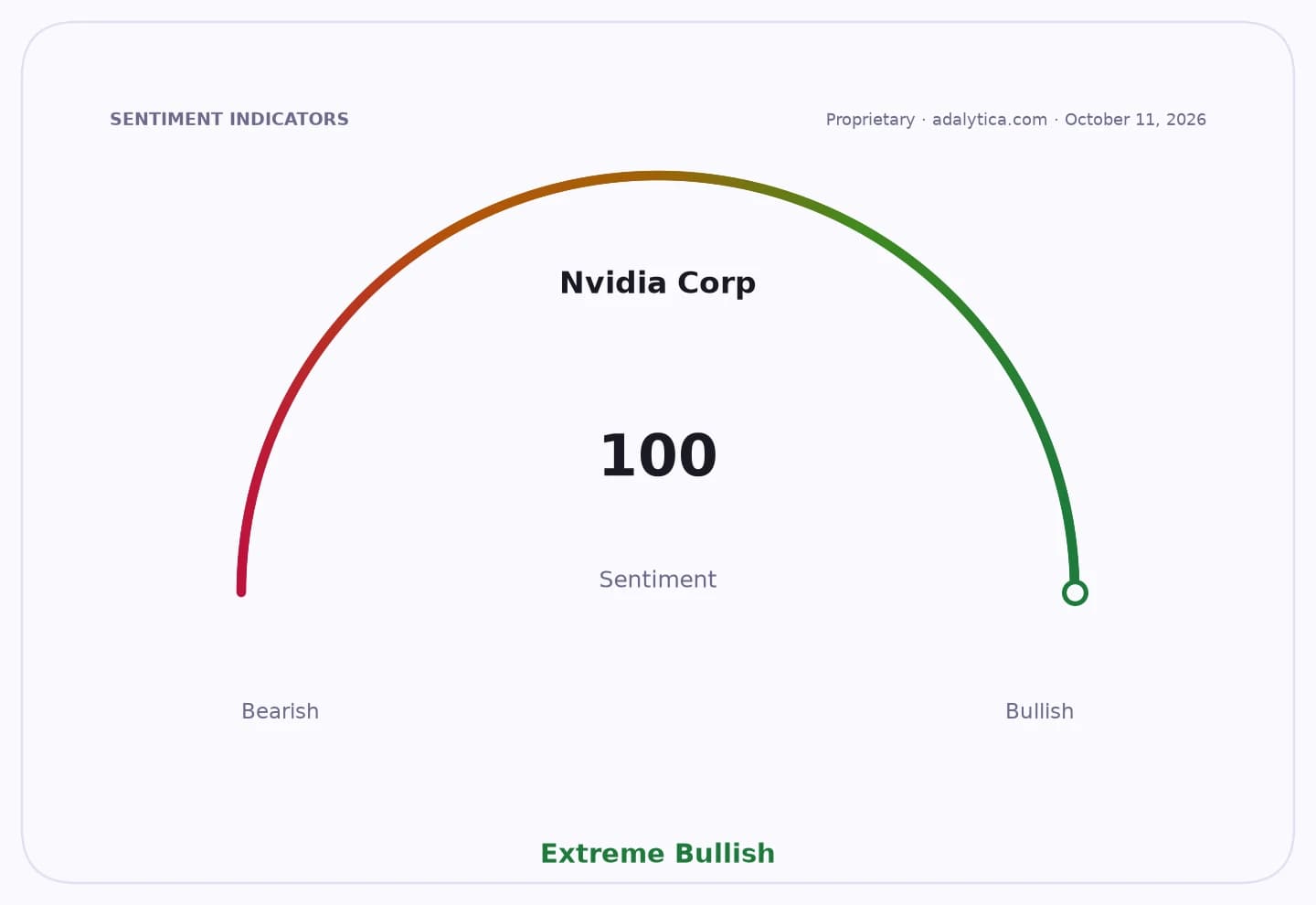
Sentiment IndicatorsⓘProprietary · adalytica.com · October 12, 2026
This is a snapshot — live sentiment, awareness and momentum for 130+ markets update continuously in the dashboard.Open AlphaPulse
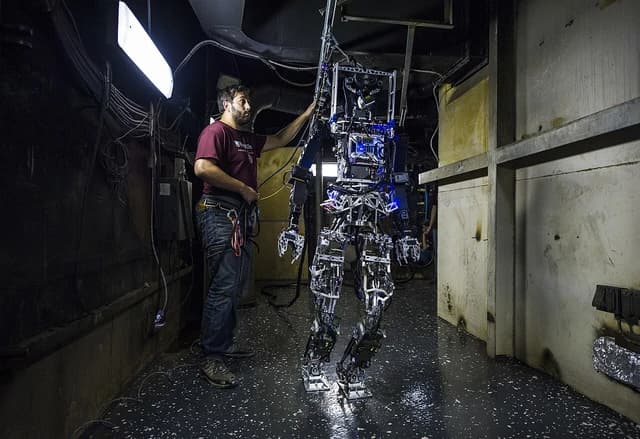
That is why Nvidia’s disclosure that automotive revenue was about $2.35 billion over the last 12 months, or roughly 1% of total revenue of $215.9 billion, should not be read as evidence that the opportunity is trivial. Nvidia said its broader physical AI business was about $6 billion in fiscal 2026, still less than 3% of sales, but the company also noted that sales of AI systems to auto customers for their own facilities reached about $8 billion in the past 12 months. In other words, the money is already showing up in the data-center segment that investors prize most, even before robotaxis or humanoids become meaningful product businesses.
That structure is why Nvidia looks like the simplest listed way to own the theme. Amazon, for example, is adopting Nvidia’s full physical AI stack — Omniverse, Cosmos, Isaac and Jetson — for warehouse robots, according to chief financial officer Colette Kress. AMD’s reported move to buy World Labs for about $8.2 billion shows rivals are also pressing into the space, but Nvidia’s advantage is the combination of hardware, simulation tools and software ecosystems rather than any single chip. The company is not just selling silicon; it is trying to set the standard for how machines are trained, tested and deployed.

For investors, the appeal is that the addressable market could widen far faster than the current revenue mix suggests. Nvidia’s automotive business grew 39% in fiscal 2026, although growth slowed later in the year, underscoring the usual risk that enthusiasm for a new platform runs ahead of real-world adoption. The bull case is that physical AI follows the same pattern as data-center AI: a small starting base, then an accelerating capex cycle as customers standardize on one vendor’s platform. The bear case is that autonomy, robotics and industrial AI remain fragmented, capital-intensive and heavily regulated, delaying commercialization and capping near-term margins.
That tension helps explain the stock’s resilience even after a strong run. Nvidia shares were last around $225.74, above the 200-day moving average and just below the 50-day moving average, with RSI readings cooling from overbought levels earlier in the year. The technical picture suggests the market still sees the name as a core AI holding rather than a short-term trade, even as sentiment around Nvidia earnings remains elevated. For now, physical AI is too small to move the company’s financials on its own. But because Nvidia already monetizes the training, simulation and onboard compute layers, it may be the cleanest way for investors to own a theme that could eventually be much bigger than the label suggests.
| Entity | Gains | Losses |
|---|---|---|
| Nvidia | ▲Full-stack robotics exposure | ▼Near-term revenue concentration risk |
| Amazon and automakers | ▲Access to physical AI tools | ▼Dependence on Nvidia ecosystem |
| AMD and rivals | ▲Bigger market to chase | ▼Nvidia’s installed base advantage |
| Investors long NVDA | ▲Optionality on robotics growth | ▼Valuation risk if adoption slows |