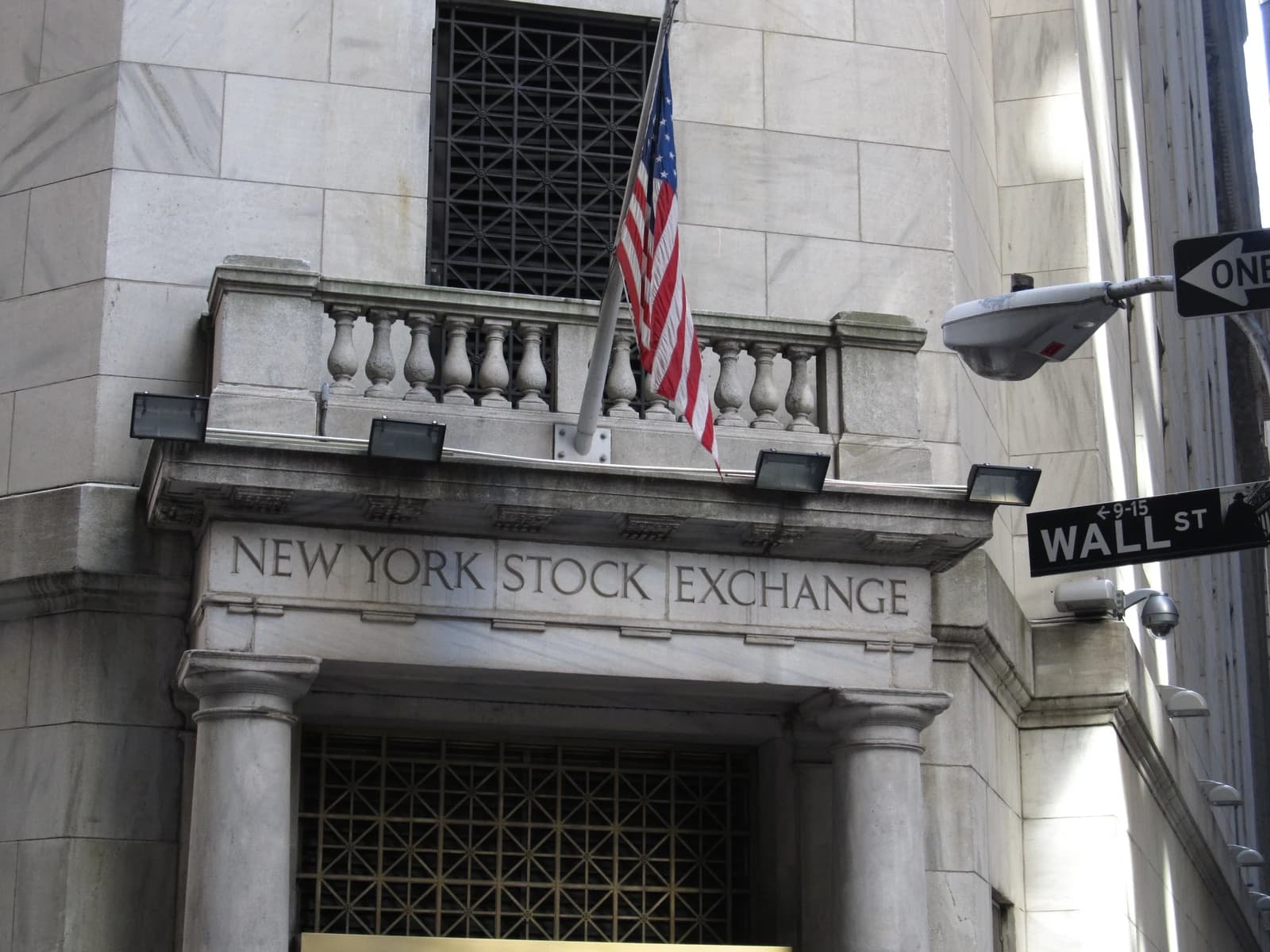
Nvidia’s latest record high is more than a personal windfall for Jensen Huang — it is a fresh signal that the market still sees the company as the central toll road in the AI buildout, even after a huge run and elevated expectations.
Nvidia Hits Record High Ahead of Earnings

The stock rose 2.1% to $238.90 on Monday and briefly touched an all-time intraday high of $240.10, extending a rally that has made Nvidia one of the market’s defining winners of the AI era. For investors, the key question is no longer whether AI spending is real; it is whether Nvidia can keep converting that spending into durable earnings power, share gains and cash returns fast enough to justify a valuation that keeps climbing with the stock.
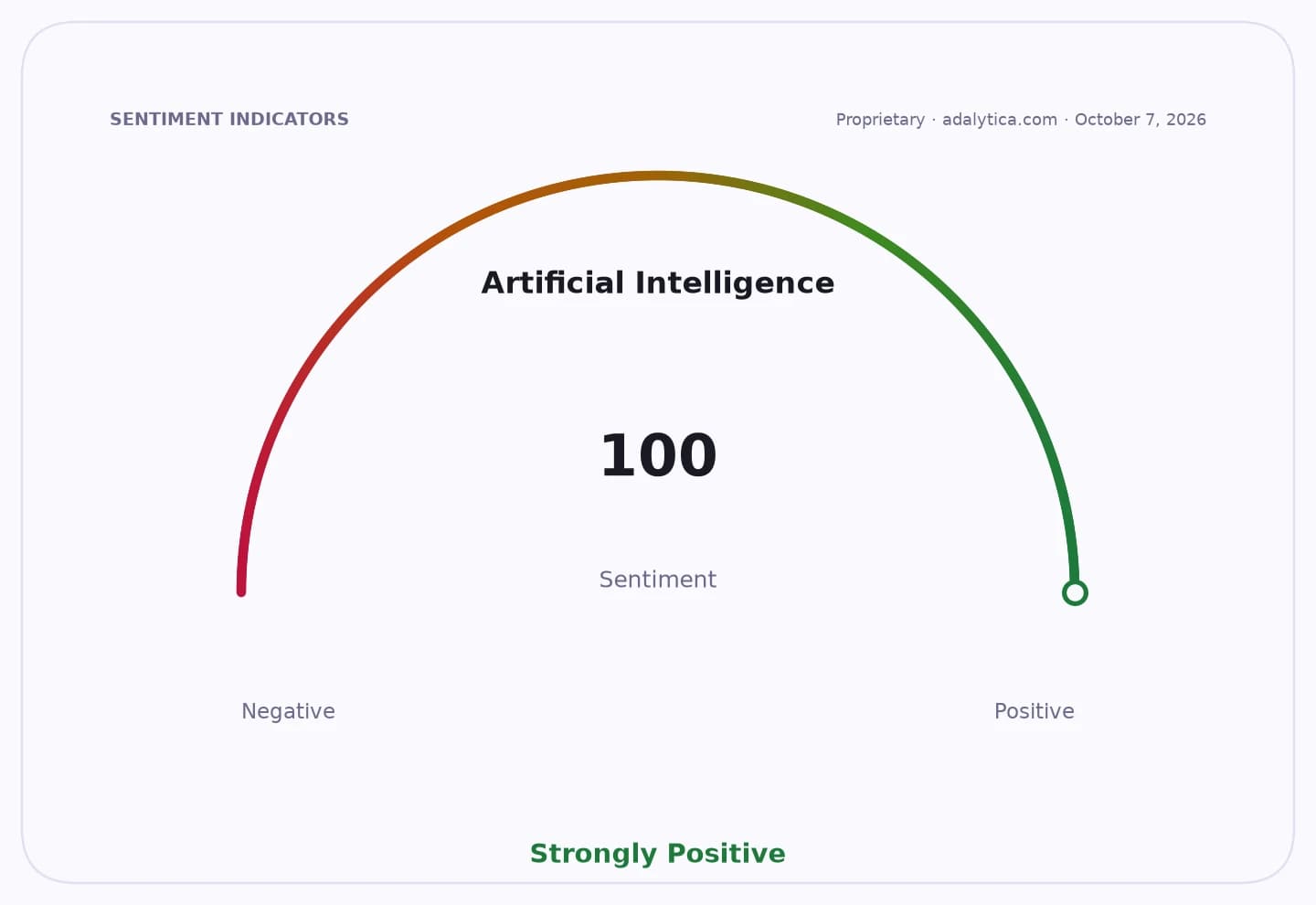
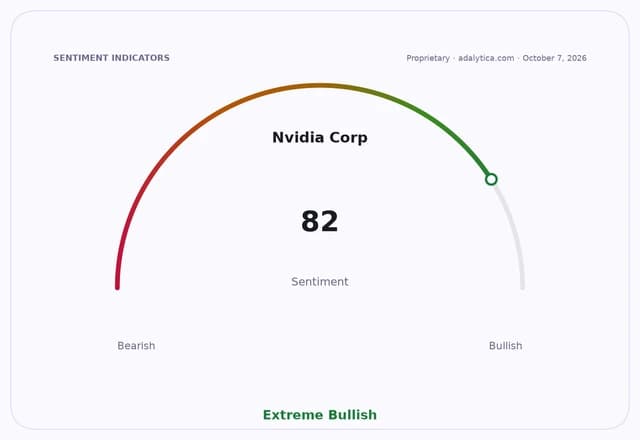
Sentiment IndicatorsⓘProprietary · adalytica.com · October 7, 2026
This is a snapshot — live sentiment, awareness and momentum for 130+ markets update continuously in the dashboard.Open AlphaPulse
Huang, who owns an estimated 3.3% of Nvidia, added $4.05 billion to his fortune in a single session, lifting his net worth to $198 billion and making him the world’s seventh-richest person, according to Bloomberg. In 2026 alone, he has added $34.8 billion, a 21.4% increase, underscoring how tightly his wealth remains tied to the company’s execution and the market’s appetite for AI infrastructure.
That matters because Nvidia is still the cleanest public-market expression of the capex supercycle around artificial intelligence. The company sits at the center of a supply chain that includes TSMC and other manufacturers, and it remains the preferred way for institutions to express a view on compute demand, data-center expansion and the next wave of AI deployment. When Nvidia makes new highs, it usually reflects more than momentum in one stock; it reflects confidence that hyperscalers, enterprise buyers and sovereign buyers are still spending aggressively.
The move also comes ahead of a highly anticipated quarterly report expected next month and alongside a new share buyback plan, both of which could keep sentiment hot if results confirm that demand is still outrunning supply constraints. Nvidia’s recent price action shows the market is willing to pay up for growth that remains rare at this scale, even as the shares trade well above the 50-day moving average and conventional momentum gauges such as RSI readings suggest the stock is stretched.
For investors, the asymmetric opportunity is not simply in owning Nvidia after a breakout. It is in understanding the second-order winners of a world where AI capex keeps compounding: chip foundries, advanced packaging, high-bandwidth memory, networking, power infrastructure and the industrial names building out the data-center grid. If Nvidia stays on this trajectory, the market will keep rewarding the ecosystem around it.
The risk, of course, is that expectations are now extremely high. But the larger thesis remains intact: as long as AI spending keeps expanding, Nvidia remains the market’s purest lever on the buildout — and Jensen Huang remains the billionaire most directly exposed to it.
| Entity | Gains | Losses |
|---|---|---|
| Nvidia | ▲Record stock price | ▼Higher expectations |
| Jensen Huang | ▲Net worth to $198B | ▼Little diversification |
| AI infrastructure suppliers | ▲More capex demand | ▼Pricing pressure if cycle cools |
| Short sellers / skeptics | ▲— | ▼Momentum squeeze |