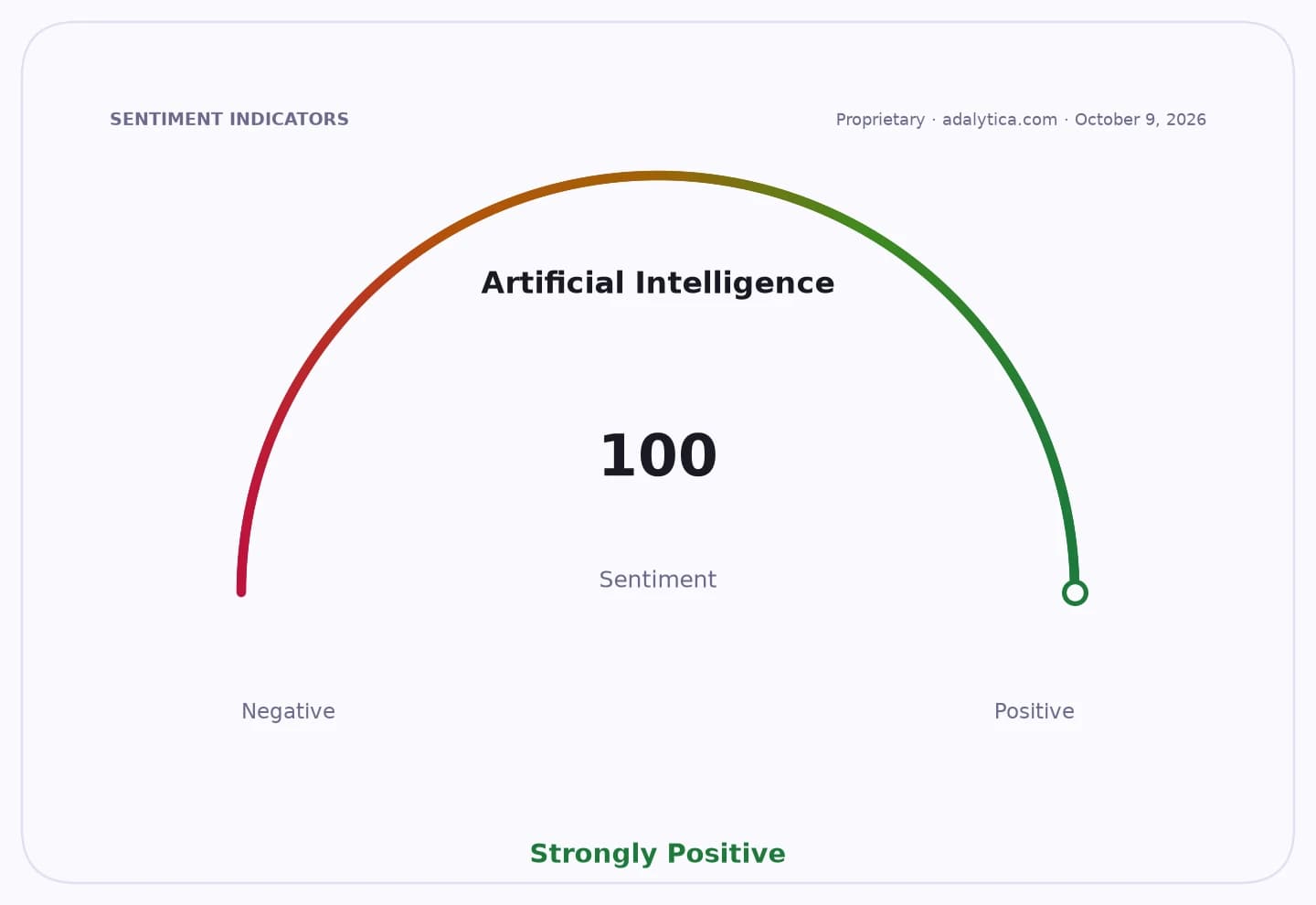
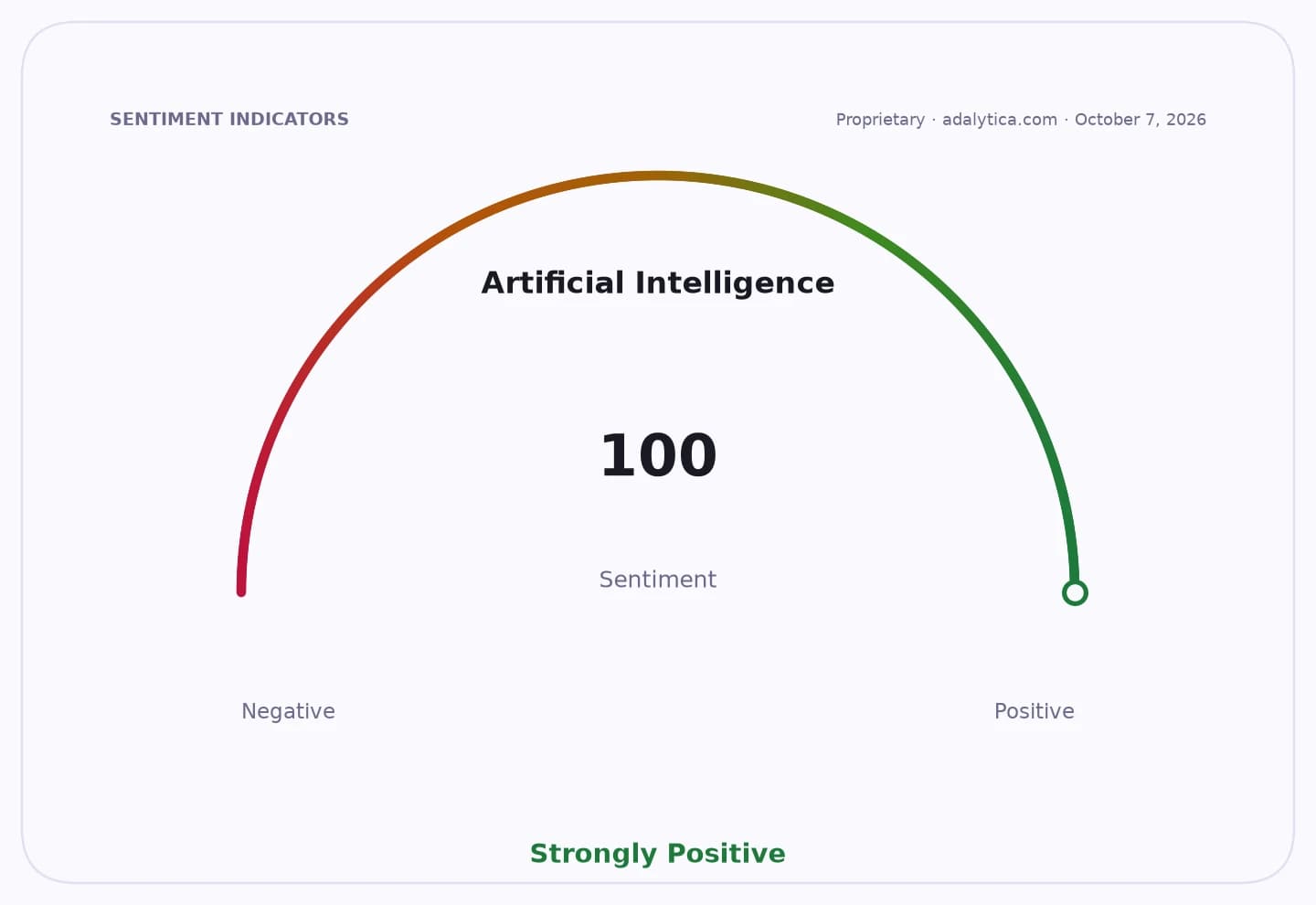
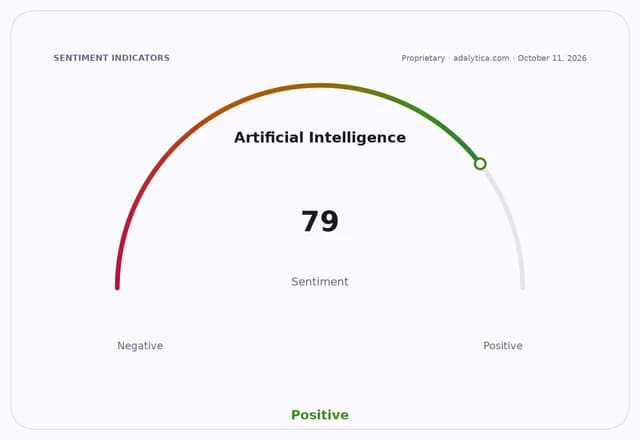
AI video generation has moved from demo-ware to a real competitive front, and that matters because the next leg of the AI trade will be won by the companies that control compute, distribution and creative workflows.
AI video boosts Nvidia, Microsoft and Adobe
Whisper’s film debut is more than a novelty. It underscores how quickly generative models are escaping text and image use cases and entering a domain that is vastly more compute-intensive, commercially attractive and strategically important: video. That shift expands the addressable market for AI infrastructure, but it also raises the bar for model quality, content provenance and product integration. Investors should read this as another step in the industrialization of AI, not a cute one-off.
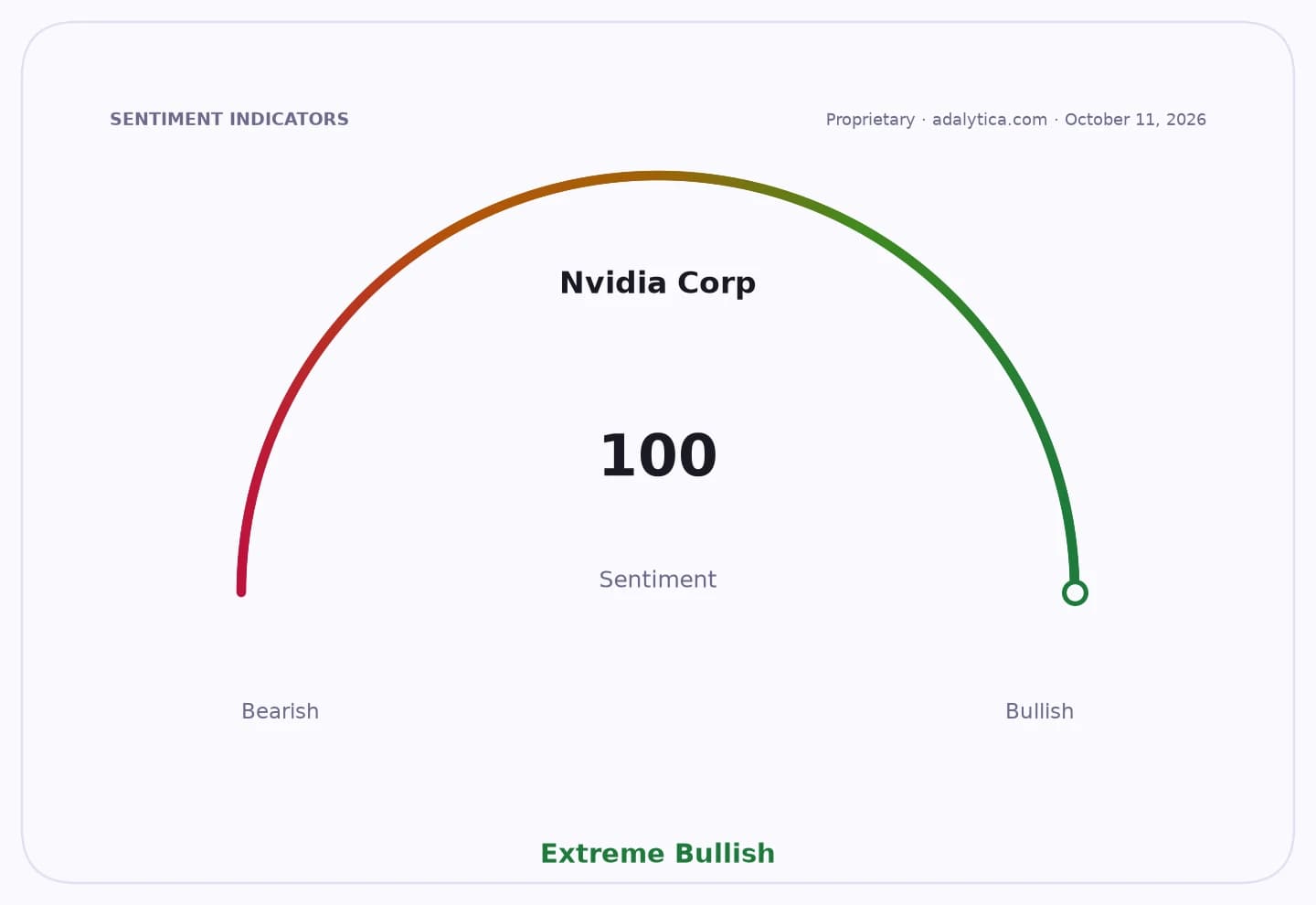
The economics are straightforward. Video generation consumes far more processing power than static image creation, which reinforces demand for accelerators, networking, cloud capacity and AI software pipelines. That is why Nvidia remains central to the trade. The stock has been trading near $229 after a sharp run from the high $170s, and its 50-day moving average has climbed to about $222, while the relative strength index sits above 50, a sign momentum is still intact despite recent volatility. Adalytica’s NVIDIA earnings sentiment is at 100, or Extreme Greed, reflecting how powerfully the market is still pricing the AI buildout.
Microsoft is the other obvious beneficiary. At roughly $535 a share, the stock is holding well above both its 50-day and 200-day moving averages, showing the market still gives Azure and its AI stack a premium for being the distribution layer of enterprise AI. If video generation keeps advancing, companies will need cloud capacity, developer tools and workflow integration, all areas where Microsoft can monetize not just model access but the surrounding ecosystem.
Adobe’s role is more fragile but still investable. Its stock has recovered to about $242 after earlier stress, yet it remains below its 50-day average, a reminder that the market still doubts how much generative AI benefits the incumbent creative-software leader. That skepticism is precisely where the opportunity sits. As AI video becomes more usable, Adobe can either lose pricing power to pure model players or turn its installed base and brand trust into a checkout point for creators who need attribution, editing and compliance tools. The company’s recent filing makes clear it is pushing commercially safe first-party and partner AI models across its products, which is the right defense.
The broader signal from the latest AI imagery and video advances is that authenticity is becoming a feature, not a footnote. When AI-generated work starts winning contests and entering creative pipelines, verification, licensing and rights management become part of the market structure. That could favor platforms with proprietary content libraries, enterprise relationships and trusted distribution, while punishing stand-alone tools that cannot defend their economics.
For investors, the message is to stay positioned in the picks-and-shovels first: Nvidia for compute, Microsoft for cloud and workflow distribution, and Adobe as a turnaround option if it can convert trust into AI monetization. The market still underestimates how quickly video will multiply AI capex, and that usually means the early winners keep winning longer than consensus expects.
| Entity | Gains | Losses |
|---|---|---|
| Nvidia | ▲More AI compute demand | ▼Model makers with weak hardware leverage |
| Microsoft | ▲Cloud and workflow monetization | ▼Stand-alone AI apps |
| Adobe | ▲Trust-based creative AI upsell | ▼Pure-genAI disruptors |
| Creators and studios | ▲Faster production tools | ▼Legacy manual workflows |