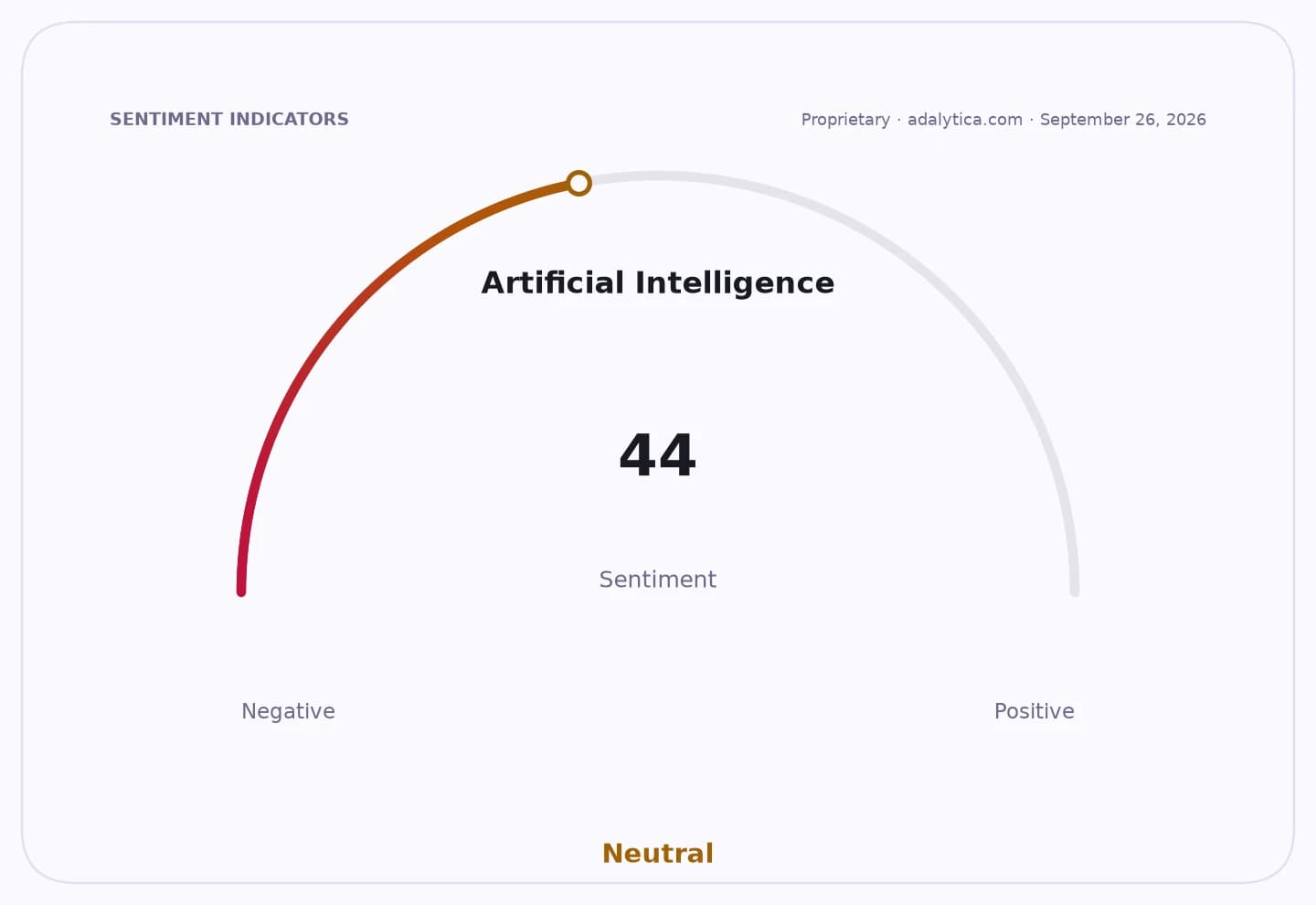
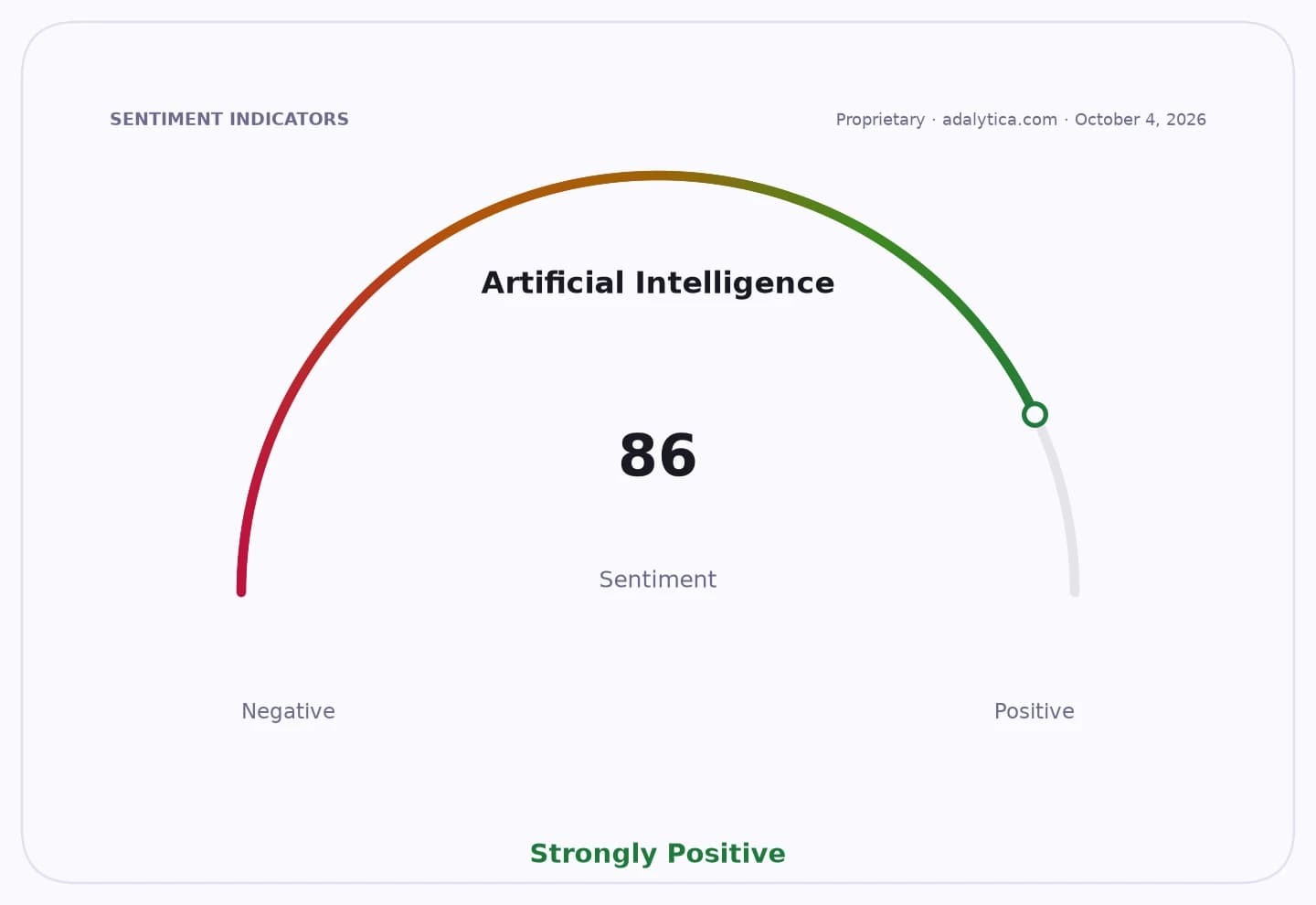
Artificial intelligence is becoming the next great geopolitical race, and the stakes are no longer just about software or stock prices. They are about national power, industrial policy and who controls the computing infrastructure that may define the next decade.
Nvidia, Tesla, Palantir on AI infrastructure demand
What ties Elon Musk, Peter Thiel and Javier Milei together is a shared conviction that AI is not simply another tech cycle. It is a reorganizing force, one that is pulling minerals, data centers, chips and digital networks into the center of geopolitics much the way oil and atoms shaped earlier eras. That is why the language around the “Manhattan Project” keeps surfacing: in Silicon Valley, in Washington and now in parts of the global South, the debate is shifting from whether AI will matter to who gets to build it, govern it and profit from it.
The comparison with the original Manhattan Project is more than a dramatic metaphor. Back then, the United States raced to develop a weapon before Nazi Germany and later the Soviet Union could do the same. Today, the rivalry is with China, and the logic is similar: no one wants to slow down if the other side keeps accelerating. That dynamic helps explain why companies and governments are pouring money into AI infrastructure even as warnings about control, misuse and existential risk grow louder.
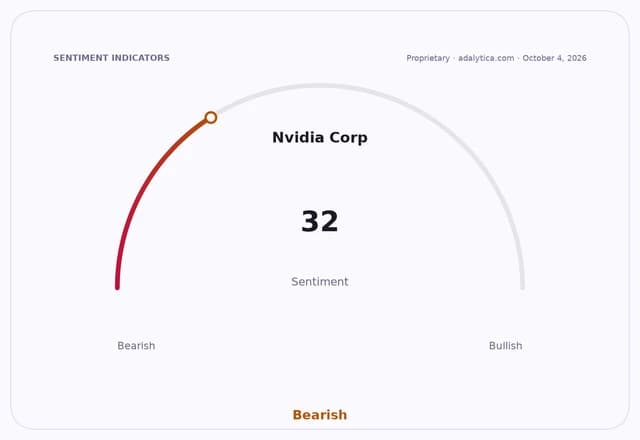
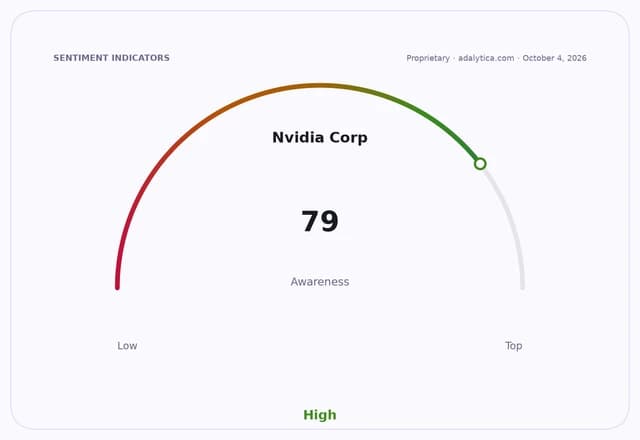
For investors, the most important implication is that AI spending is no longer a narrow bet on model makers. It is spreading across the entire industrial stack. Nvidia remains the clearest beneficiary of the compute arms race, with its stock up sharply to $233.95 and still trading above its 50-day and 200-day moving averages, a sign that demand for the chips powering AI remains robust even after bouts of volatility. But the opportunity does not stop there. Tesla is making a much larger capital commitment to AI-related infrastructure, saying in filings that 2026 capital expenditures are expected to exceed $25 billion as it expands compute, data centers and manufacturing. Palantir, meanwhile, sits at the intersection of defense, data and AI, even as its filings warn that the rapid evolution of AI could bring reputational and regulatory risk.
Artificial Intelligence vs NVDAadalytica.com
Explore this data interactively — full history, time series and cross-market comparisons.Open AlphaPulse
That combination of opportunity and danger is exactly what makes this story economically important. AI is turning into a strategic layer across industries, and that means governments will likely keep leaning in with subsidies, procurement, export controls and national-security restrictions. For companies, that can mean bigger markets and stickier demand. It can also mean higher compliance costs, more scrutiny and a fragmented global market where Western and Chinese ecosystems diverge further.
The tension is already visible in market behavior. Nvidia’s latest technical setup suggests momentum remains strong, with the stock’s relative strength index climbing to 83.0, a reading that often points to an overheated near-term trend even when the longer-term thesis stays intact. Tesla has also bounced back above its 50-day average, while Palantir has held well above both its 50-day and 200-day lines after a steep earlier drawdown. In other words, investors are still willing to pay for AI exposure, but they are also becoming more selective about where the durable cash flow will come from.
That is where the narrative gets larger than any one company. Musk, Thiel and Milei represent different responses to the same world order: one that is increasingly defined by technological sovereignty, ideological competition and the scramble to own the tools of intelligence itself. Musk is chasing scale and control. Thiel’s orbit, through Palantir, is aligned with state power and security. Milei’s interest signals that even countries outside the core technology bloc are trying to decide whether they can ride the AI wave or be left behind by it.
There are real risks here. The more AI starts to look like a national-security asset, the more likely it is that regulation, export controls and public backlash will slow adoption or split markets. Anthropic and OpenAI have both warned about catastrophic risks, reinforcing the idea that investors are not just underwriting productivity gains but also governance risk. Yet that is precisely why the sector remains so powerful: the more serious the technology becomes, the harder it is for governments, militaries and corporations to ignore it.
For long-term investors, the lesson is straightforward. AI is not a trade to chase for a quarter or two; it is an industrial transformation that could reward patient owners of the picks, shovels and platforms that sit at the center of the ecosystem. The best approach is still diversification, discipline and a multi-year horizon. The Manhattan Project analogy may sound ominous, but in markets it usually means one thing: the buildout is just getting started, and the winners could compound for years. Worth watching, and for investors with patience, worth keeping on the buy list.
| Entity | Gains | Losses |
|---|---|---|
| Nvidia | ▲AI chip demand | ▼Near-term overheating risk |
| Tesla | ▲AI infrastructure optionality | ▼Heavy capex burden |
| Palantir | ▲Defense and data AI demand | ▼Regulatory and reputational risk |
| China | ▲Applied AI and robotics focus | ▼Loss of edge in frontier model race |