AI could dominate coding and other digital work within the next two years, and that matters because the real investment opportunity is no longer in software labor — it is in the infrastructure that will replace it.
Nvidia, Microsoft, Alphabet on AI infrastructure trade
Elon Musk’s latest timeline is the most aggressive yet in a debate that is quickly moving from theory to capital allocation. He said AI will master digital tasks such as coding, research, writing, legal analysis, accounting and data analysis by 2027-2028, and even suggested software engineering could reach a Stockfish-like level as early as next year. If he is even partly right, the biggest economic shift is not that white-collar jobs disappear overnight, but that the value chain in tech gets pulled toward compute, chips, cloud capacity and automation platforms.
Sentiment IndicatorsⓘProprietary · adalytica.com · September 28, 2026
This is a snapshot — live sentiment, awareness and momentum for 130+ markets update continuously in the dashboard.Open AlphaPulse
That is why this matters to investors. The market still debates whether AI is an efficiency tool or a labor replacement engine. I believe it is increasingly both, and the second effect is underpriced. Every incremental gain in model capability raises the demand for training, inference, data center power and enterprise software integration. That is already visible in the biggest AI beneficiaries. Nvidia remains the clearest picks-and-shovels play, with the stock recently trading around $225 and holding well above its 200-day moving average near $199. Microsoft, at about $516, has regained altitude after a sharp midyear drawdown, while Alphabet is back near $344 after digesting its own AI spending cycle. These are not random ticker moves; they are the market’s way of pricing the next phase of AI adoption.
The labor implications are just as important. If AI starts taking a real share of coding, analysis and back-office work, companies will not simply hire less — they will redesign operating models around fewer humans and far more machines. That means margin expansion for software-heavy firms, but also brutal pressure on labor-intensive services, IT outsourcers and routine knowledge work. In India, where the IT and knowledge sector is deeply exposed to global digital demand, the risk is that AI compresses pricing power before it creates enough new services revenue to offset the hit. The broader macro backdrop already points to a labor market where displacement can accelerate quickly once productivity technology is cheap enough to deploy at scale.
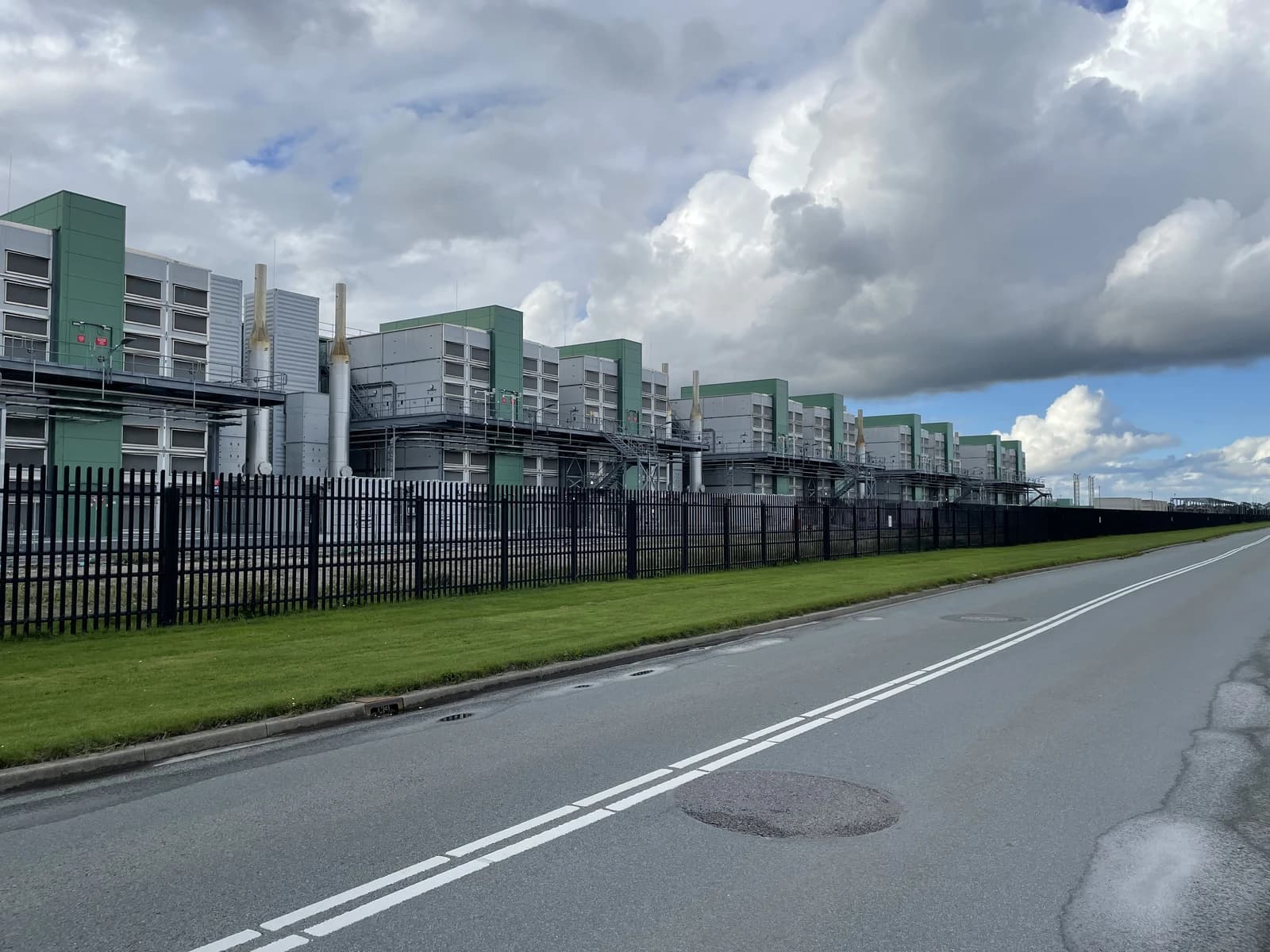
The corporate filings tell the same story. Microsoft says AI is already transforming more business workstreams across sectors, while warning that its AI systems can create legal and competitive risks. Alphabet has centralized frontier-model research around its core businesses, signaling that AI is not a side project but the center of the next growth cycle. Nvidia, meanwhile, says expanding land, power, shell and energy capacity to meet AI demand is a multi-year challenge — exactly the kind of bottleneck that tends to create durable pricing power for the supplier that owns the bottleneck. In other words, Musk’s claim is bullish not just for the companies building AI, but for the entire industrial stack needed to feed it.
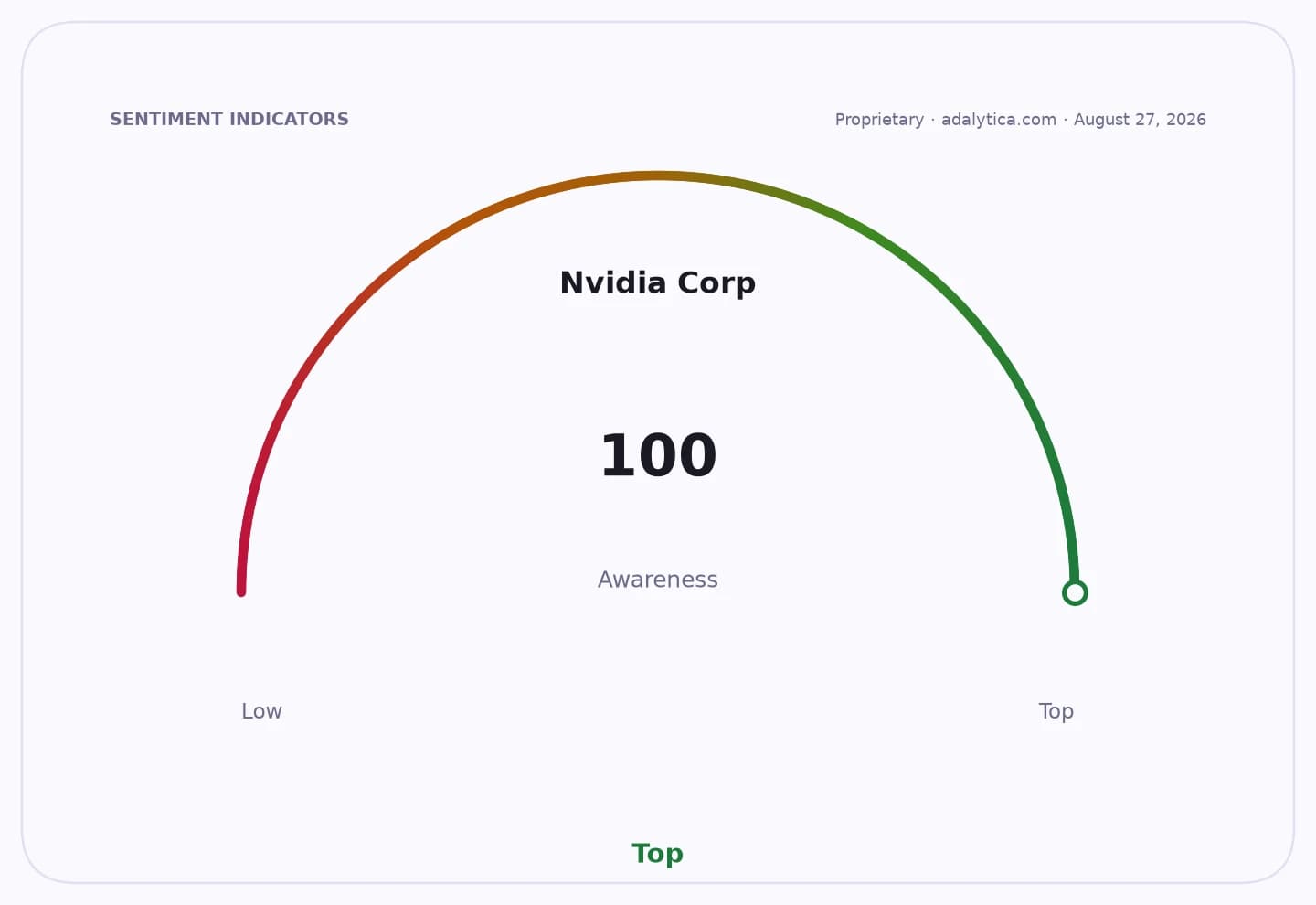
The market is also sending a second signal: AI enthusiasm remains strong even as sentiment rotates sharply. Adalytica’s AI sentiment snapshot is neutral at 57, but awareness is rising, and Nvidia earnings sentiment has slipped into fear. That mismatch is usually where opportunity starts to open up. Investors do not need to believe humans are obsolete by 2028 to make money from the transition. They only need to believe AI capability will keep compounding fast enough to pull forward enterprise spending, force corporate restructuring and widen the moat around the companies that sell compute, cloud, data and automation.
My view is simple: the next AI trade is not just “buy software.” It is buy the toll roads of the digital economy. Nvidia for chips, Microsoft for the enterprise platform, Alphabet for model distribution and AI search, and the broader infrastructure complex tied to power, data centers and networking. If Musk’s timeline is even directionally right, the winners will be the companies that own the machines — not the workers trying to compete with them.
| Entity | Gains | Losses |
|---|---|---|
| Nvidia | ▲AI capex boom | ▼Labor-heavy software firms |
| Microsoft | ▲Enterprise automation demand | ▼Routine knowledge workers |
| Alphabet | ▲Model adoption and inference demand | ▼IT outsourcing providers |
| Indian IT sector | ▲Select AI services upside | ▼Traditional coding labor |