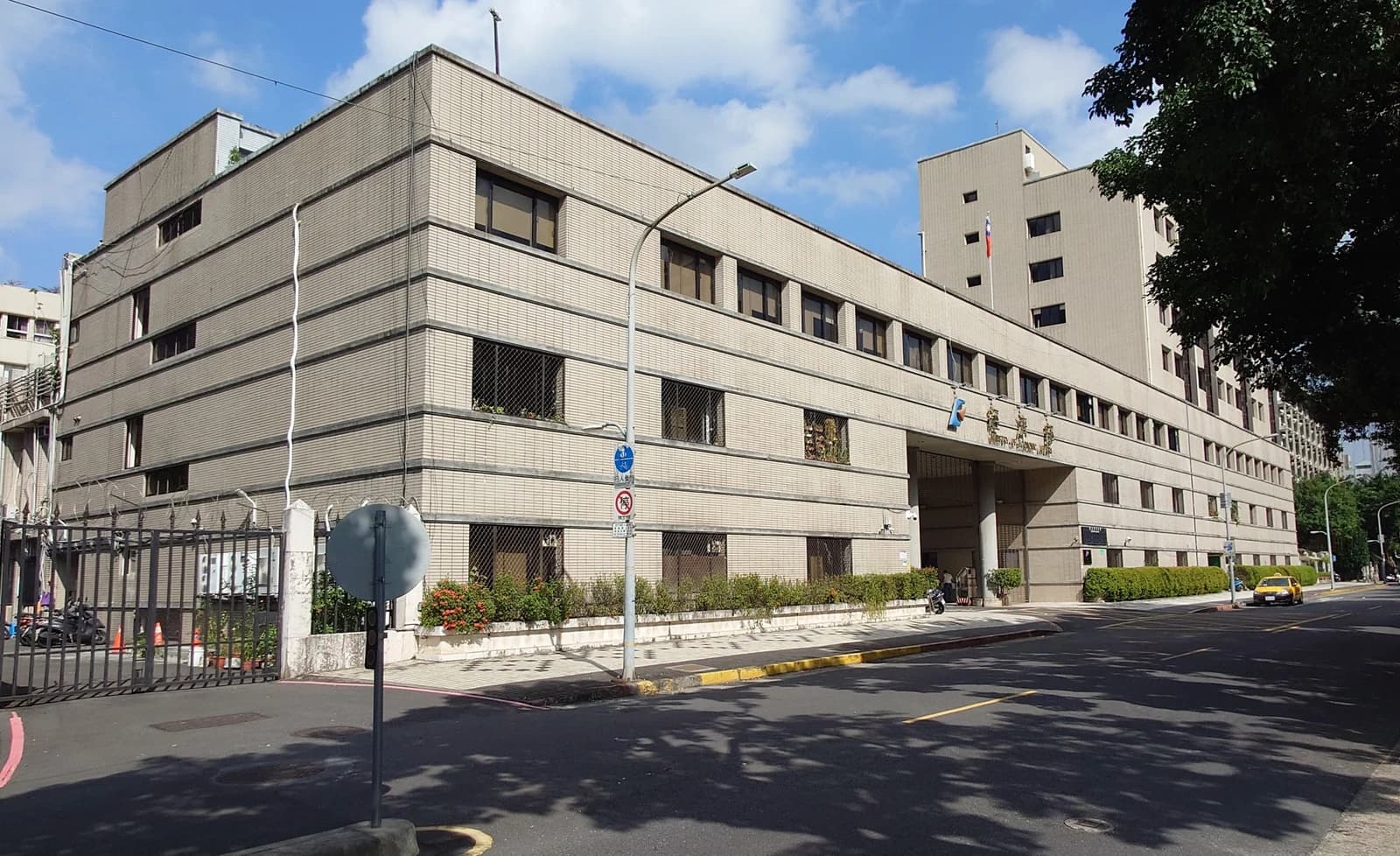
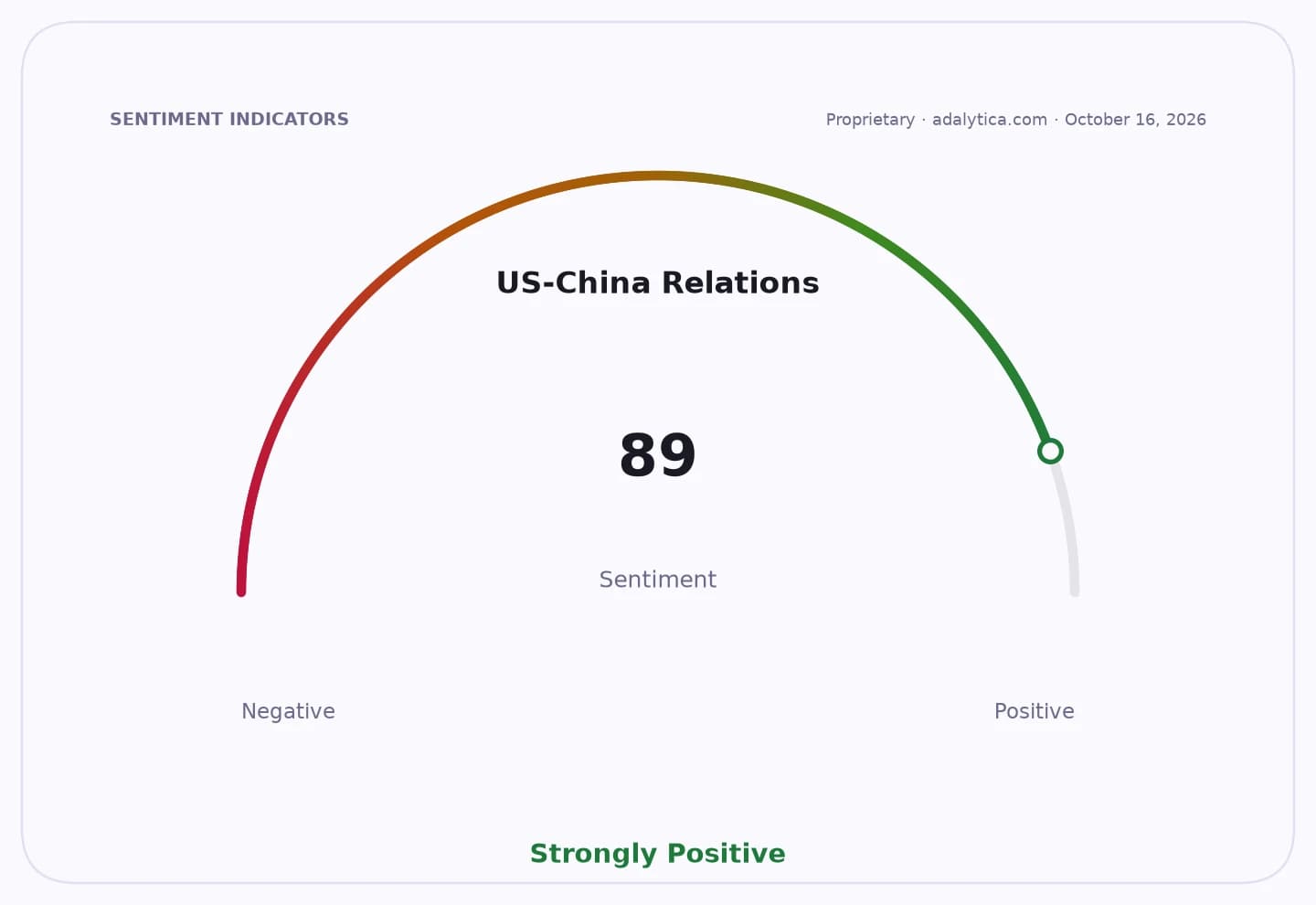
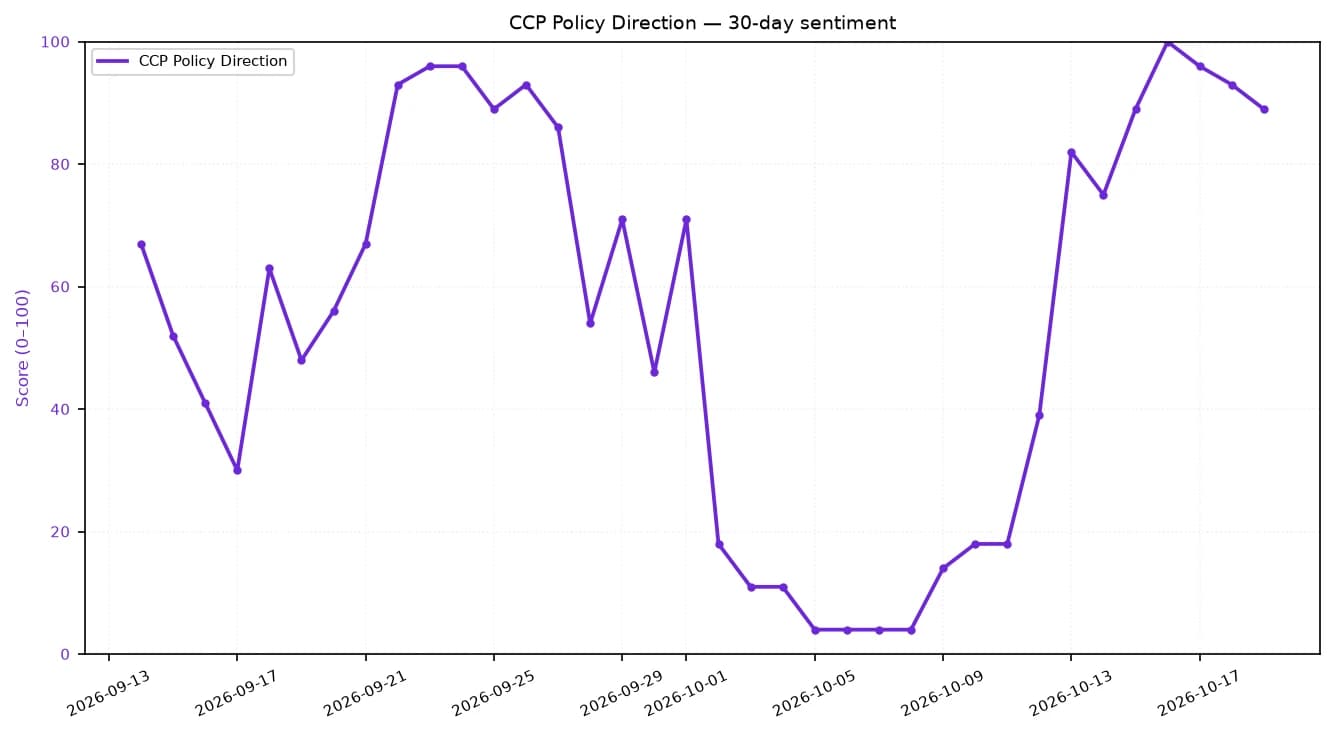
Taiwan is preparing to tighten controls on exports of advanced AI chips and AI servers to China, a move that would bring its rules closer to Washington’s restrictions and raise the legal risk for companies and traders moving high-end semiconductor gear across the Taiwan Strait.
Taiwan to tighten AI chip exports to China
The change matters because Taiwan sits at the center of the global AI hardware supply chain through Taiwan Semiconductor Manufacturing Co., the dominant contract chipmaker for Nvidia and other U.S. designers. By adding AI servers and semiconductors to its controlled goods list, Taipei would make unauthorized shipments to China a criminal offense under its foreign trade law, escalating enforcement against a channel that has continued to serve Chinese buyers despite U.S. curbs.

For investors, the move underscores how export controls are now shaping demand, distribution and pricing power across the chip complex. Nvidia’s China exposure has already been complicated by reports of illicit rerouting through Southeast Asia, while TSMC has been forced to navigate the political push and pull between Washington, Taipei and Beijing as it expands abroad.
Taiwan Economy Minister Kung Ming-hsin said the government plans to add the products to the controlled list, though the timing has not been set. The step would represent one of the clearest efforts yet by a key chipmaking hub to align itself with U.S. policy after years in which unauthorized exports were not treated as a criminal matter in Taiwan.
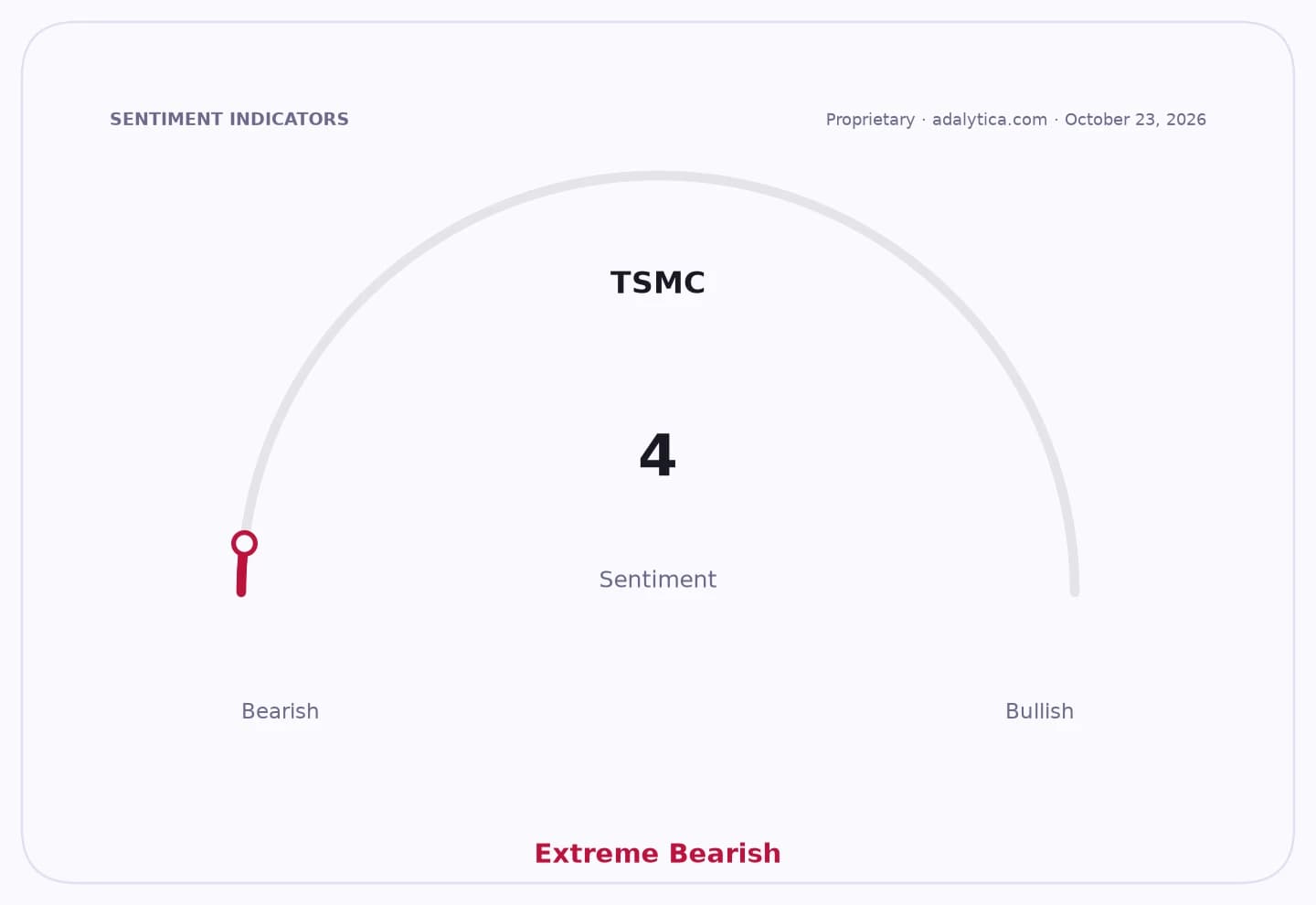
TSMC — 30-day sentimentadalytica.com
Explore this data interactively — full history, time series and cross-market comparisons.Open AlphaPulse
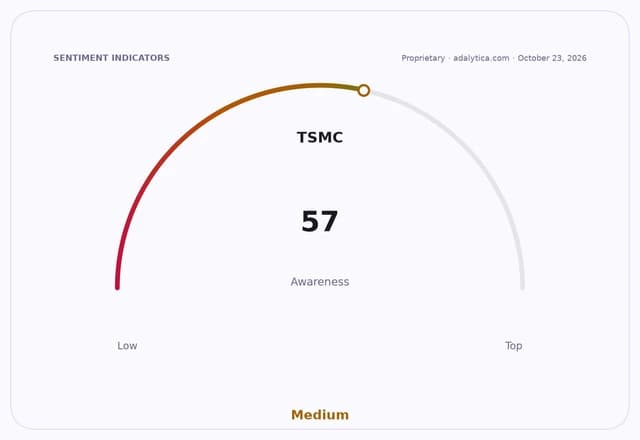
The backdrop is a sector still being driven by AI demand even as geopolitics adds friction. TSMC has said third-quarter revenue jumped 51% and forecast 61% growth in the current quarter, helping ease fears that AI chip demand was slowing. Its shares, however, have come under pressure recently, with the stock falling to $412.35 on Oct. 22 from $476.29 on June 30, while technical readings show the shares below the 50-day moving average and near the lower end of the recent Bollinger Band range.
Nvidia and AMD have also seen their stocks weaken in recent sessions, reflecting broader investor caution around the AI trade as policy risk intensifies. Nvidia closed at $212.21 on Oct. 22, down from $227.73 in late August, while AMD fell to $507.93 after trading above $550 earlier this week.
The tighter Taiwan rules would arrive as TSMC spends $265 billion on U.S. manufacturing capacity under pressure from the Trump administration and continues talks with Elon Musk over a possible role in his proposed Terafab project. Any final curbs would further compress the room for gray-market supply into China and could force AI chip makers, distributors and end users to adjust inventories, sourcing and compliance ahead of new enforcement.
| Entity | Gains | Losses |
|---|---|---|
| Taiwan regulators | ▲Stronger enforcement | ▼Trade flexibility |
| TSMC | ▲Policy alignment with U.S. | ▼China sales risk |
| Nvidia | ▲Clearer compliance path | ▼China channel access |
| China buyers | ▲— | ▼AI chip supply access |