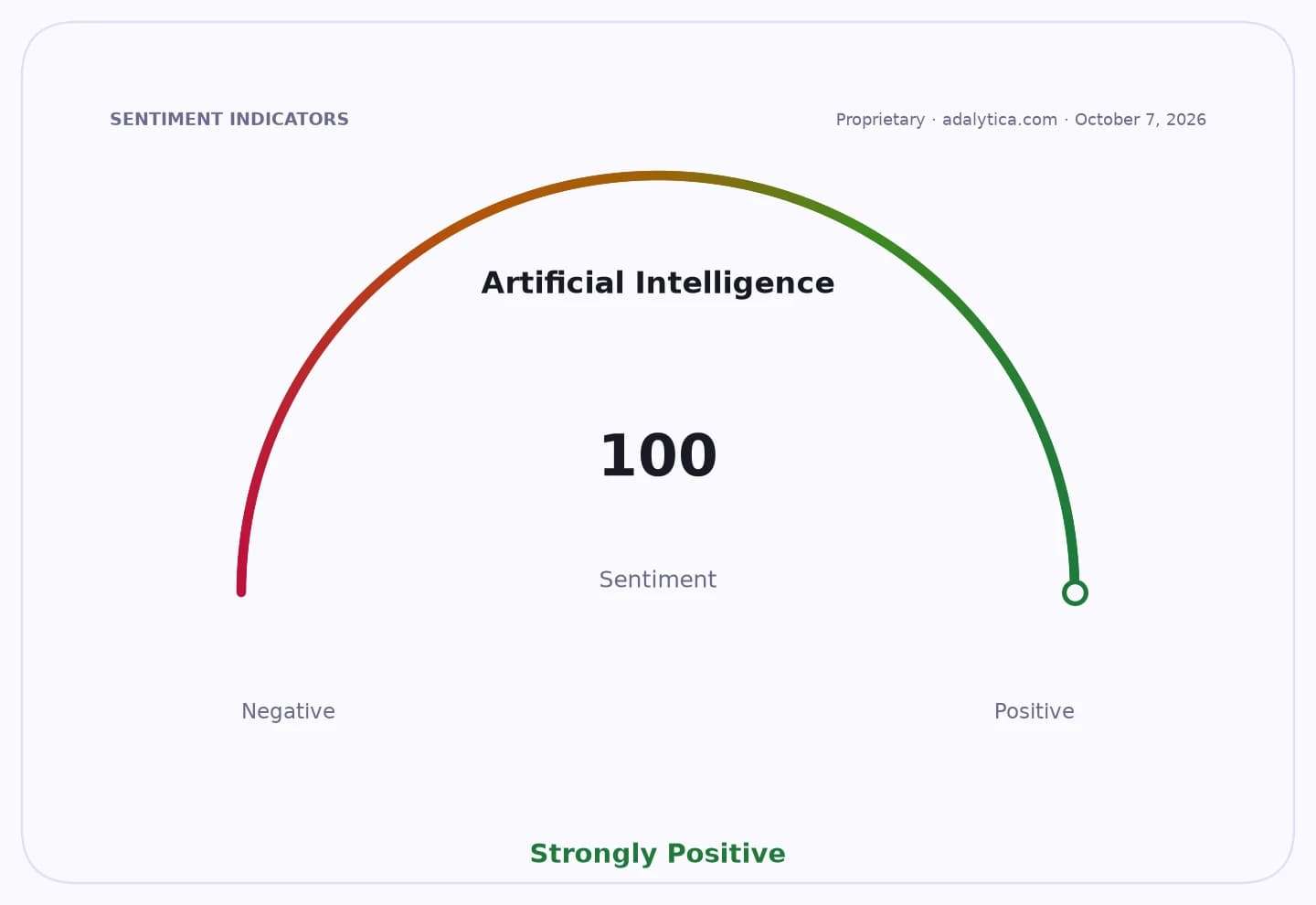
Saudi Aramco’s plan to buy 49% of Humain marks a fresh turn in the global AI race, bringing one of the world’s biggest oil companies directly into a capital-intensive push to build computing power, cloud infrastructure and data capacity in the Gulf. The deal matters because it shows that the next phase of AI expansion is increasingly being financed not just by U.S. Big Tech, but by sovereign-backed capital looking to secure a strategic foothold in the technology stack.
Saudi Aramco buys 49% stake in Humain
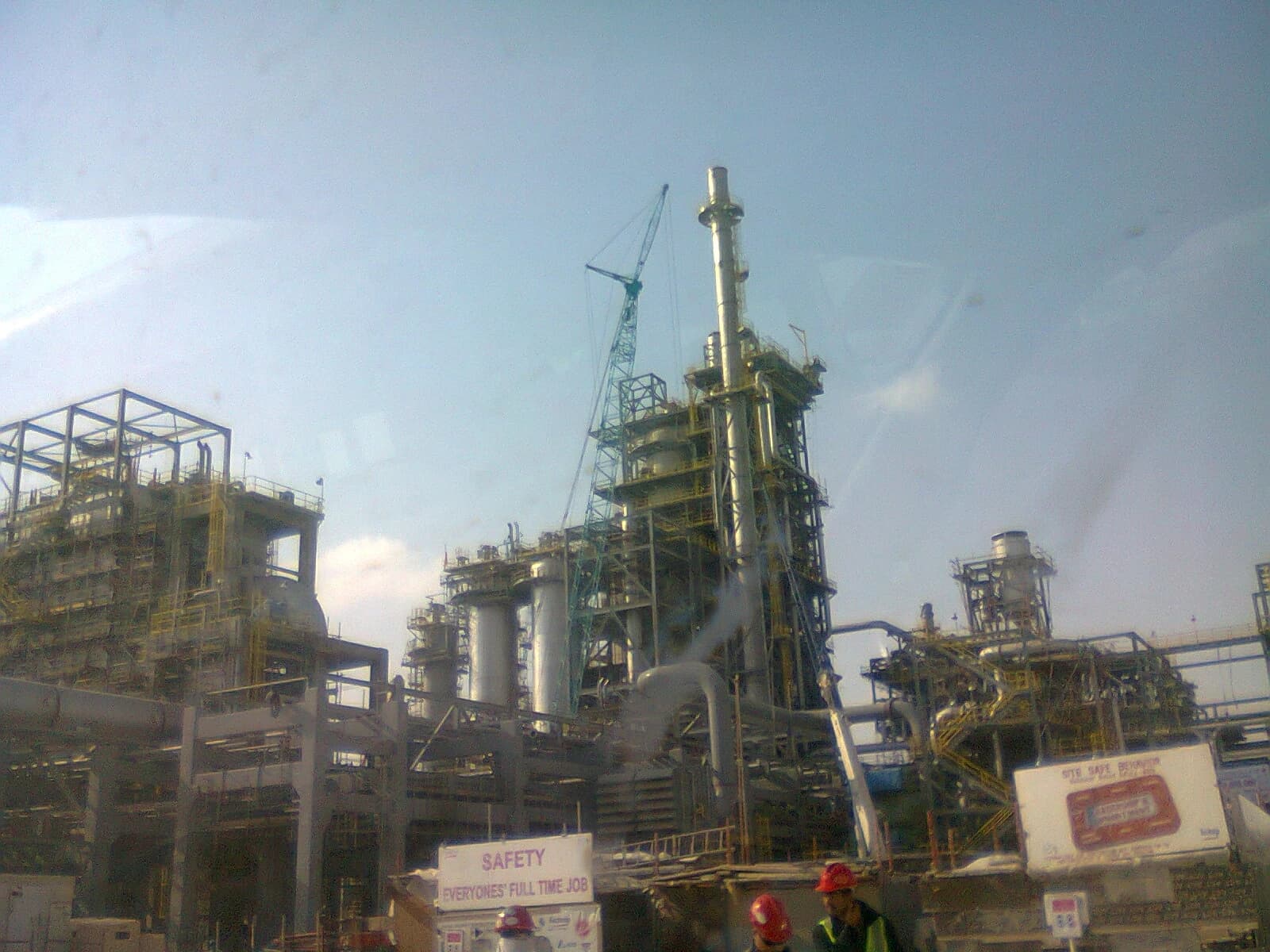
For investors, the transaction reinforces a powerful theme: AI is becoming an infrastructure and energy story as much as a software one. Building and running frontier AI models requires vast amounts of power, chips, cooling and real estate, and that raises the strategic value of countries and companies that can supply those inputs. It also broadens the competitive map, as Gulf capital seeks to position itself as a beneficiary of the AI buildout rather than merely an importer of Western technology.
Sentiment Indicators
The move comes as large U.S. AI companies continue to spend aggressively on capacity, even as questions build around returns, funding and the durability of the boom. Microsoft shares have retreated to $507.12 from a recent high above $530, while Nvidia has slipped to $202.06 from October levels above $220, reflecting investor sensitivity to the scale of AI spending and the pace at which it converts into profits. Technical indicators on both stocks have weakened, with Nvidia’s relative strength index near 27 and Microsoft’s at 27.8, levels that suggest the recent pullback has become more extended.
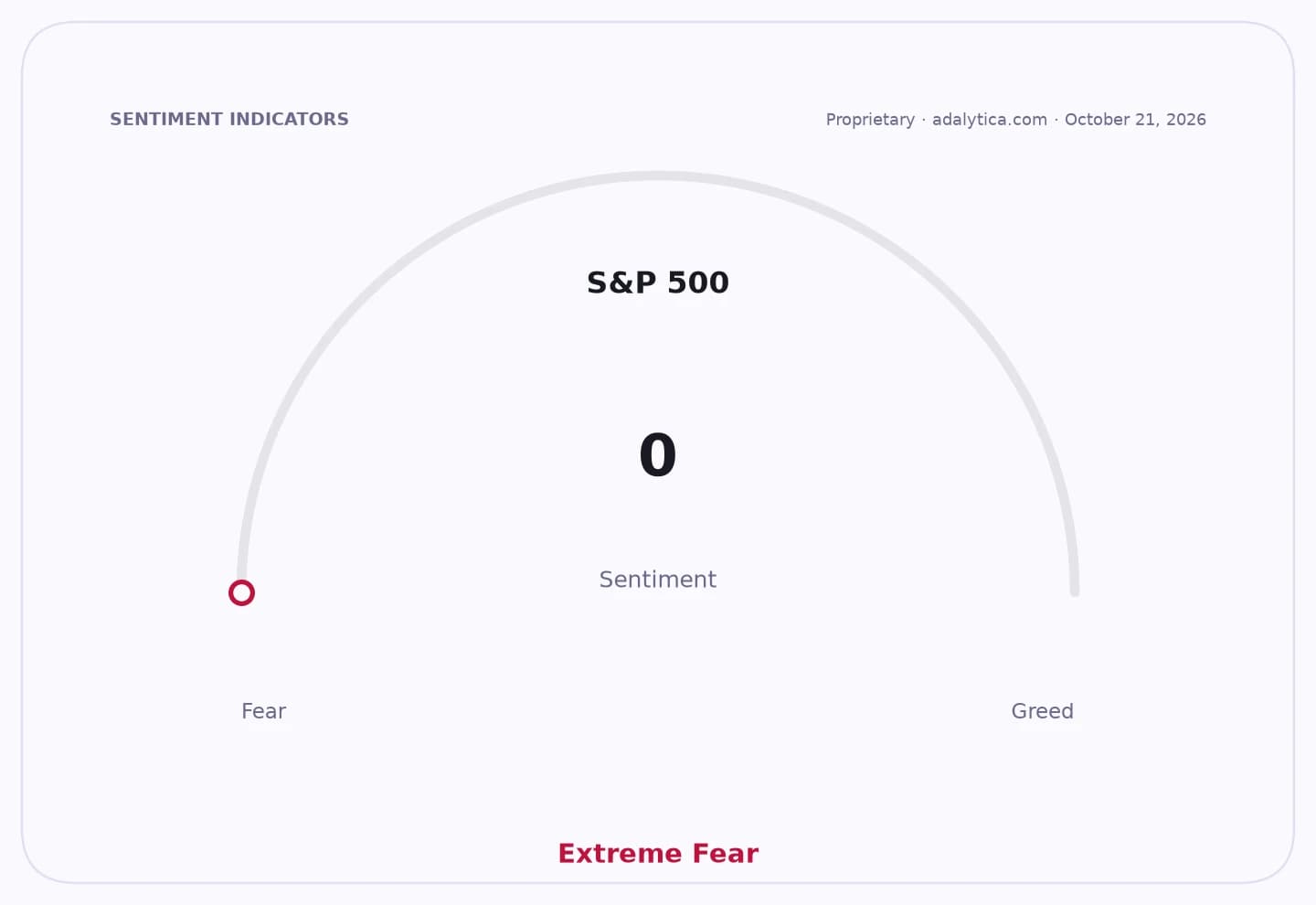
That market caution sits alongside a broader geopolitical backdrop that remains unusually supportive of strategic energy and technology alliances. Adalytica’s Global Stability sentiment gauge is near extreme greed at 89, while its U.S. dollar signal shows extreme fear, a combination that points to investor appetite for cross-border risk even as currency conditions remain volatile. In that environment, Gulf participation in AI infrastructure can be read as both diversification and influence: a way to convert energy wealth into long-duration assets tied to future compute demand.
The bull case for the deal is straightforward. Aramco gets exposure to a higher-growth sector and a chance to help anchor AI development in the region, where cheap power and abundant capital can be turned into a competitive advantage. The bear case is that the AI investment cycle may prove more crowded and less profitable than headline spending suggests, leaving late entrants exposed to valuation risk if demand cools or if hardware costs and power requirements outpace monetization.
For markets, the key implication is that AI competition is no longer confined to Silicon Valley. Capital, electricity and geopolitics are now part of the same trade, and that should keep investors focused not only on model breakthroughs and chip orders, but also on who controls the infrastructure that keeps the systems running.
| Entity | Gains | Losses |
|---|---|---|
| Aramco | ▲AI exposure; strategic diversification | ▼Capital locked into a risky growth bet |
| Humain | ▲Deep-pocketed backing; regional scale | ▼Greater scrutiny on execution |
| U.S. AI leaders | ▲Potential Gulf customers | ▼More competition for capital and talent |
| Energy suppliers | ▲Higher power demand | ▼Pressure from rising infrastructure costs |