Wall Street’s bruising selloff is being driven by a much bigger question than one weak session: whether the market has pushed too far ahead of the returns on artificial intelligence spending. That matters because AI has been the engine behind much of the leadership in the U.S. rally, and if investors start demanding proof of profit instead of promises of growth, some of the most crowded trades in the market can unwind quickly.
Nvidia, QQQ Fall Below 50-Day Averages
The Nasdaq-heavy QQQ fund has fallen back to $717.63, below its 50-day moving average of $726.20, while Nvidia was last at $216.47, also under its 50-day average of $222.81. Microsoft, another key AI beneficiary, finished at $531.87, still above its 50-day moving average but off its recent highs. Those levels matter because they show the market is no longer simply buying the AI story on autopilot.
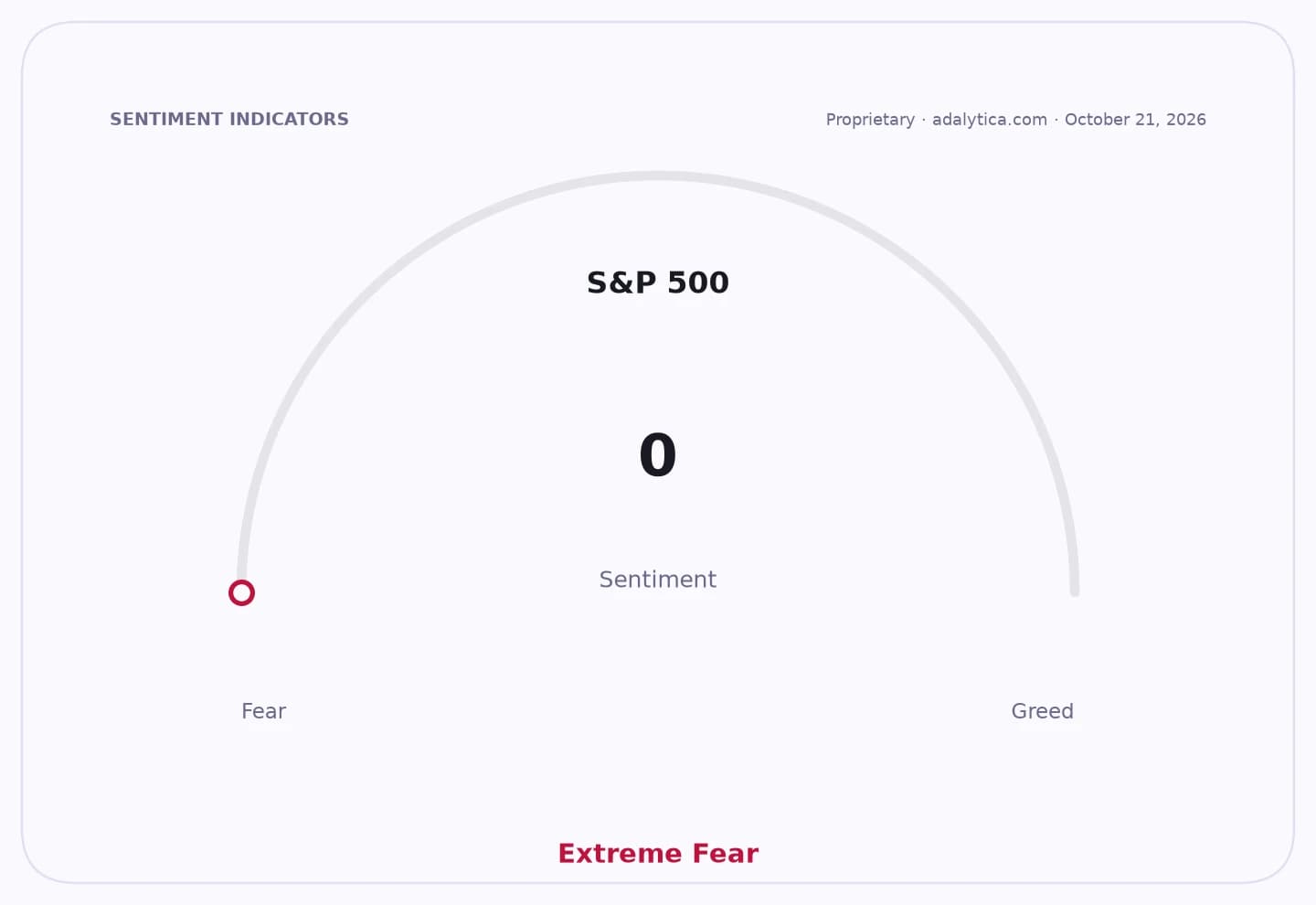
Sentiment IndicatorsⓘProprietary · adalytica.com · October 21, 2026
This is a snapshot — live sentiment, awareness and momentum for 130+ markets update continuously in the dashboard.Open AlphaPulse
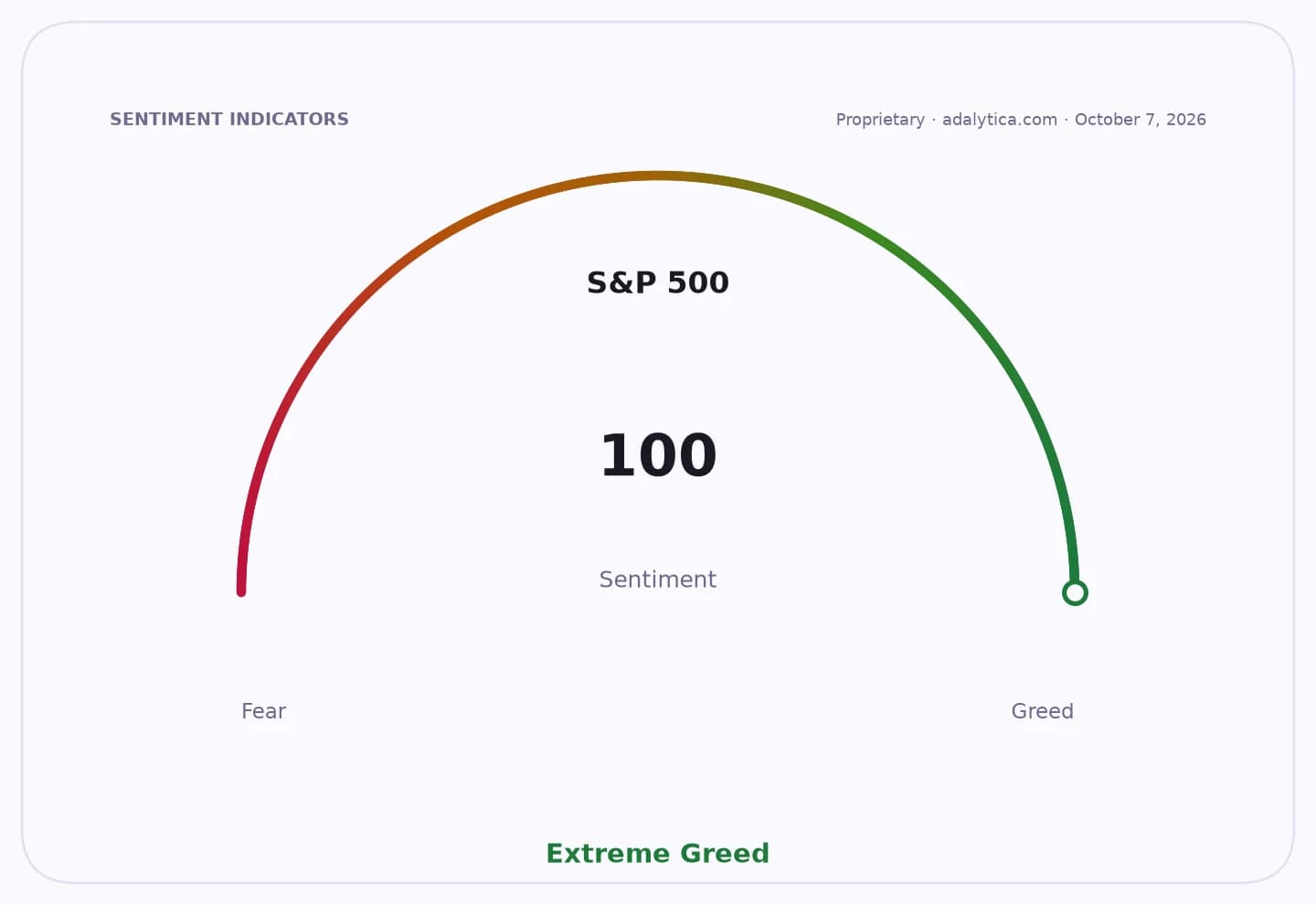
The pressure has spread beyond individual names. Adalytica’s S&P 500 trade-signal snapshot shows “Extreme Fear” in sentiment, while awareness remains elevated, a sign that investors are watching the selloff closely but are not yet comfortable stepping back in. In practical terms, that means the market is still digesting the same old fear: huge capital spending on AI infrastructure may not generate cash flows fast enough to justify the valuations attached to it.
That is why the latest weakness in AI stocks matters so much economically. If hyperscalers and chipmakers keep pouring money into data centers, power and networking, the market eventually has to decide who captures the economics — the hardware suppliers, the cloud platforms or the end customers. The answer will shape earnings, margins and free cash flow across a wide swath of the technology sector.
The concern is not that AI demand has disappeared. It is that the path from spending to profit is proving slower, costlier and less certain than investors hoped. Recent price action in Nvidia, Microsoft and the broader Nasdaq suggests the market is shifting from “growth at any cost” toward a more selective phase in which earnings durability and capital discipline matter more than narrative.
For long-term investors, that is not necessarily bad news. Big secular themes often create the best companies and the worst stock prices at different points in the cycle. The winners will be the firms that can turn AI demand into recurring revenue and strong free cash flow without destroying returns on capital. The losers will be those forced to spend aggressively just to keep up.
For now, investors should expect more volatility, especially around upcoming earnings and any fresh evidence on AI capital spending. But for patient shareholders, this kind of reset can also improve entry points in the strongest businesses. The key is to focus on balance sheets, margins and customer adoption, not just the size of the AI budget.
| Entity | Gains | Losses |
|---|---|---|
| Cash-rich AI leaders | ▲More selective buying on pullbacks | ▼Valuation premium compression |
| Nvidia | ▲Long-term AI demand narrative | ▼Near-term momentum traders |
| Microsoft | ▲Cloud and AI monetization potential | ▼Margin pressure from heavy capex |
| Broad market / diversified investors | ▲Better prices in quality names | ▼Short-term portfolio volatility |