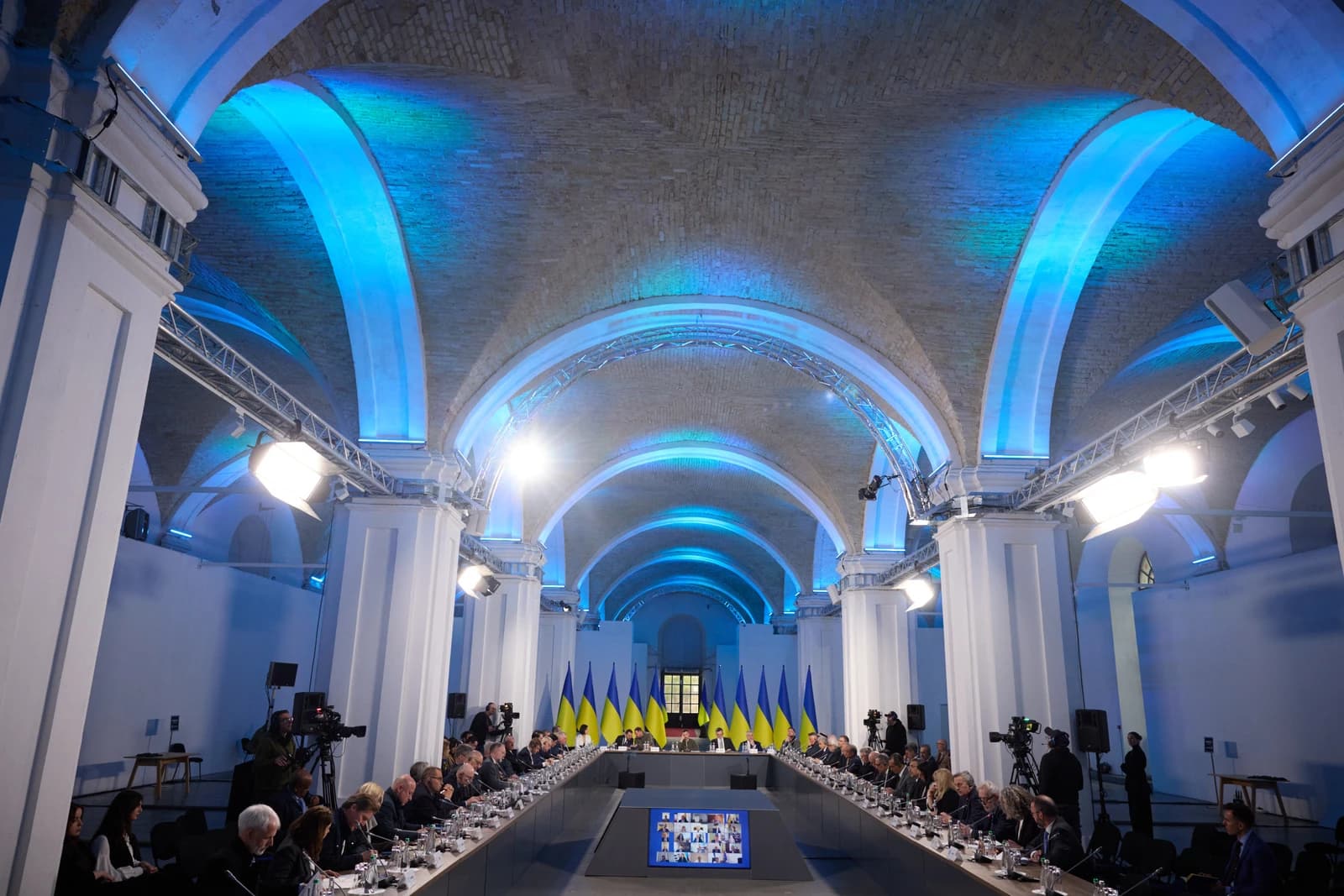
The Trump administration’s top policy strategist at the Pentagon abruptly left a Nato meeting in Brussels after telling allies that Ukraine’s long-range strikes inside Russia had little military value, a move that deepens transatlantic friction just as Kyiv pushes to intensify pressure on Moscow’s war economy.
Pentagon Official Leaves NATO Ukraine Meeting
The episode matters because it cuts to the heart of Western strategy on Ukraine: whether the war is won by degrading Russia’s oil refineries, weapons factories and logistics network, or by limiting escalation and focusing on the front line. The answer has direct consequences for the durability of allied support, the shape of future weapons packages and the markets that price geopolitical risk across Europe.
Sentiment Indicators
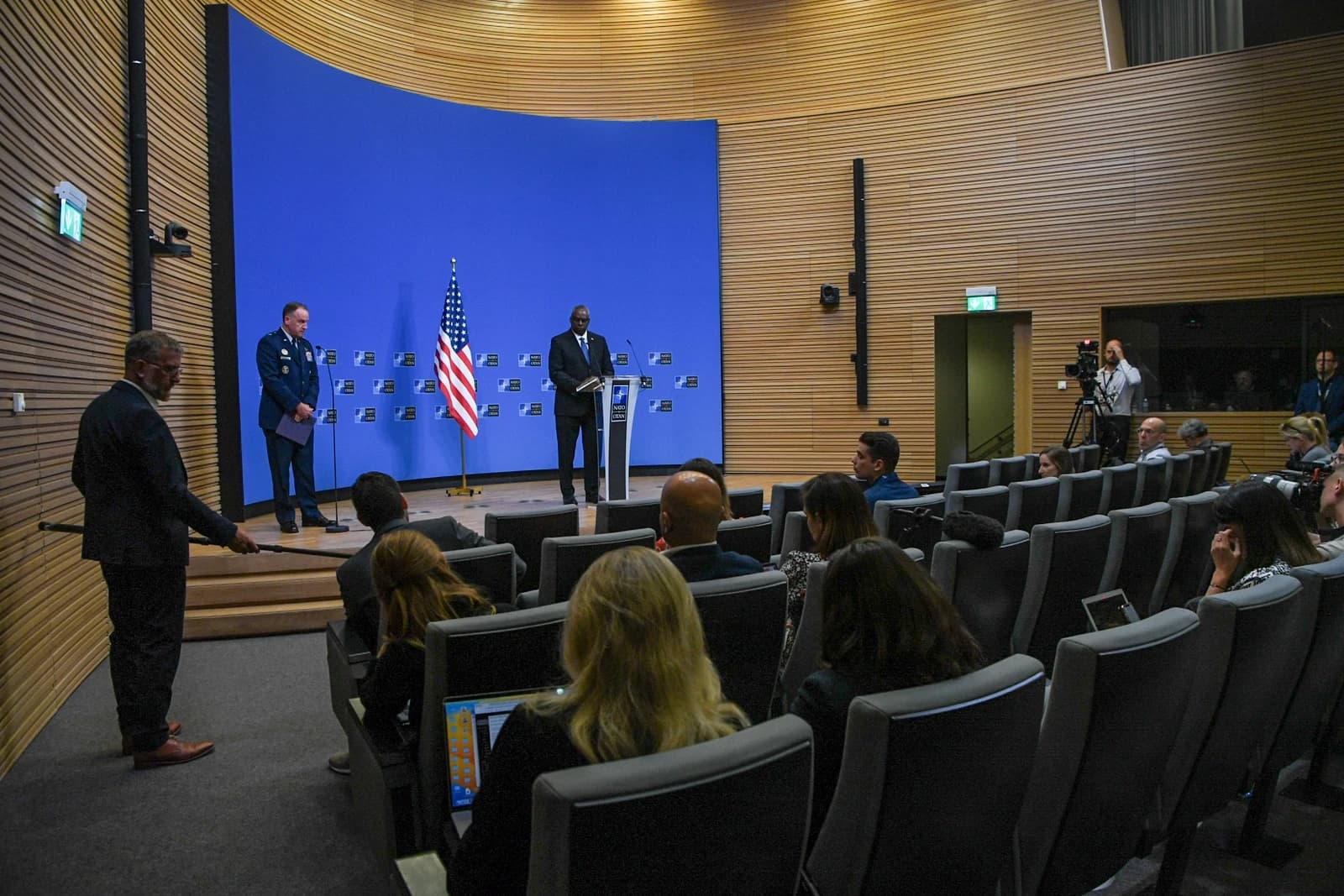
According to the report, Elbridge Colby, the US under secretary of defense for policy, told the Ukrainian Defence Contact Group that Kyiv’s deep-strike campaign had failed to slow Russian advances. He then left the room before Ukraine’s defence minister could deliver a classified battlefield briefing, leaving US ambassador to Nato Matthew Whitaker to represent Washington for the rest of the session. German sources quoted in the report said the behaviour suggested Washington had, in effect, sided with the Kremlin against Europe.
The criticism landed at a sensitive moment. Ukraine has stepped up drone and missile attacks on Russian energy and industrial infrastructure, with the report saying its forces have hit 28 major refineries in more than 200 confirmed attacks this year. That campaign has been designed to squeeze Moscow’s war budget, disrupt fuel supplies and force the Kremlin to divert air defenses and repair capacity away from the front. British and European ministers have argued those attacks are central to weakening Vladimir Putin’s war machine and reducing pressure on Ukrainian troops.
For investors, the immediate market channel runs through energy, defense and European risk assets. A more restrained US posture could increase uncertainty around the pace and composition of military aid, while also complicating the alliance’s broader deterrence message. That tends to support a geopolitical risk premium in European assets even if it does not trigger an immediate market move. The contrast with Washington’s own use of long-range strikes against Iran was also noted by German officials, underscoring the political cost of any perceived double standard.
The diplomatic tension also arrives ahead of a “coalition of the willing” summit in Berlin, where around 40 leaders are due to discuss long-term security guarantees and Ukraine’s post-war reconstruction. The presence of Trump envoys Steve Witkoff and Jared Kushner raises the stakes further, because any shift in US language on Ukraine could shape expectations for future ceasefire terms, reconstruction financing and the willingness of European governments to shoulder a larger security burden.
For now, the broader narrative is that the transatlantic coalition backing Ukraine is increasingly divided over means, not ends. Europe sees deep strikes as a way to weaken Russia’s war machine; the Pentagon’s policy arm appears more skeptical of that approach. That split will matter for the next phase of negotiations, for defense contractors tied to replenishment demand, and for markets that remain sensitive to any sign that Western unity is fraying.
| Entity | Gains | Losses |
|---|---|---|
| Ukraine | ▲More pressure on Russia’s war economy | ▼US political backing |
| Russia | ▲Relief if strikes are constrained | ▼Energy infrastructure resilience |
| European allies | ▲Stronger case for harder line | ▼Alliance cohesion |
| Defense and missile makers | ▲Potential demand for strike systems | ▼Predictability of procurement |