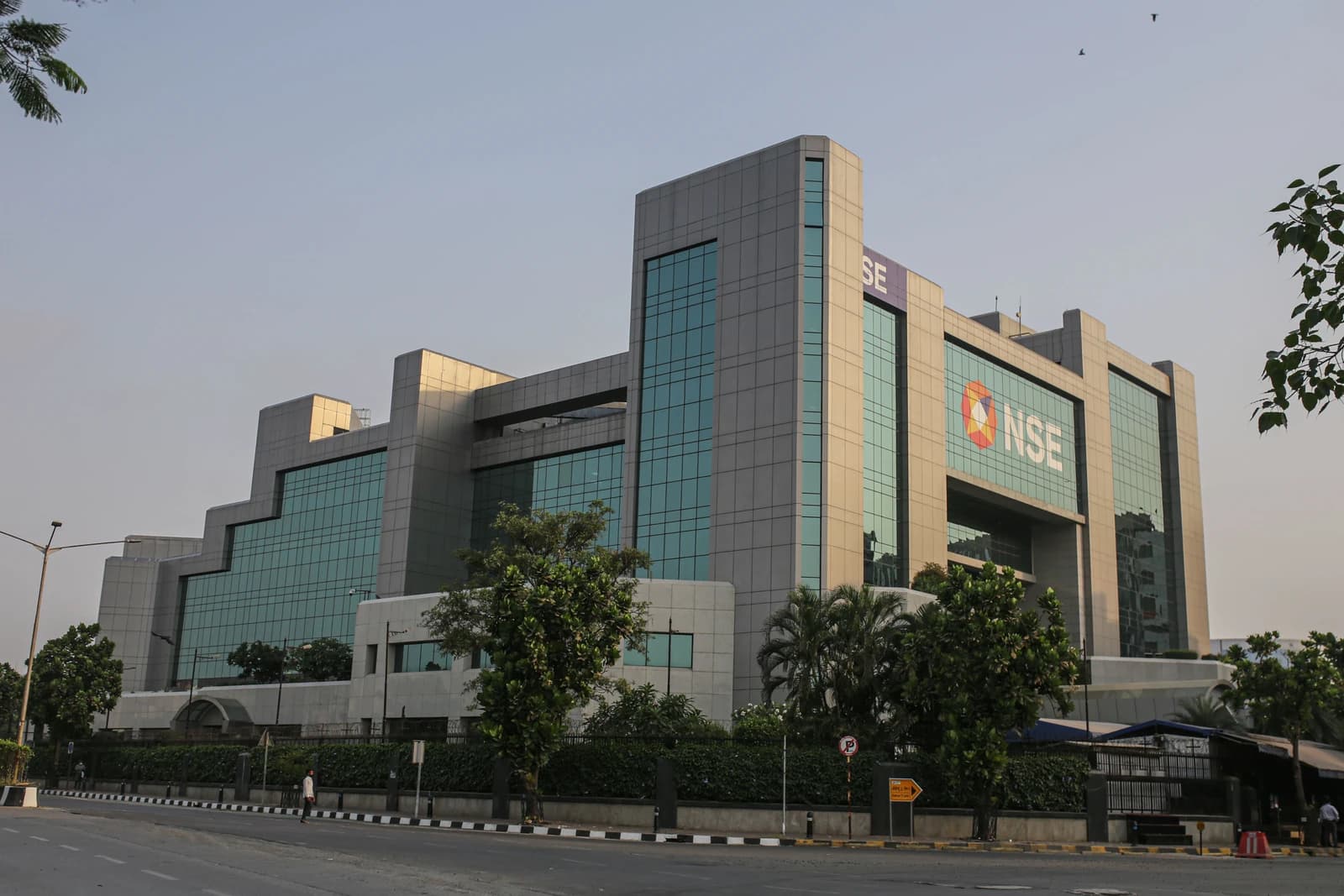
India’s primary market is heading into December with six companies lining up to raise an estimated 12,000 crore rupees, a sign that the November rally and persistent foreign buying are restoring risk appetite after a volatile patch in local equities.
India December IPO Pipeline Nears 12,000 Crore
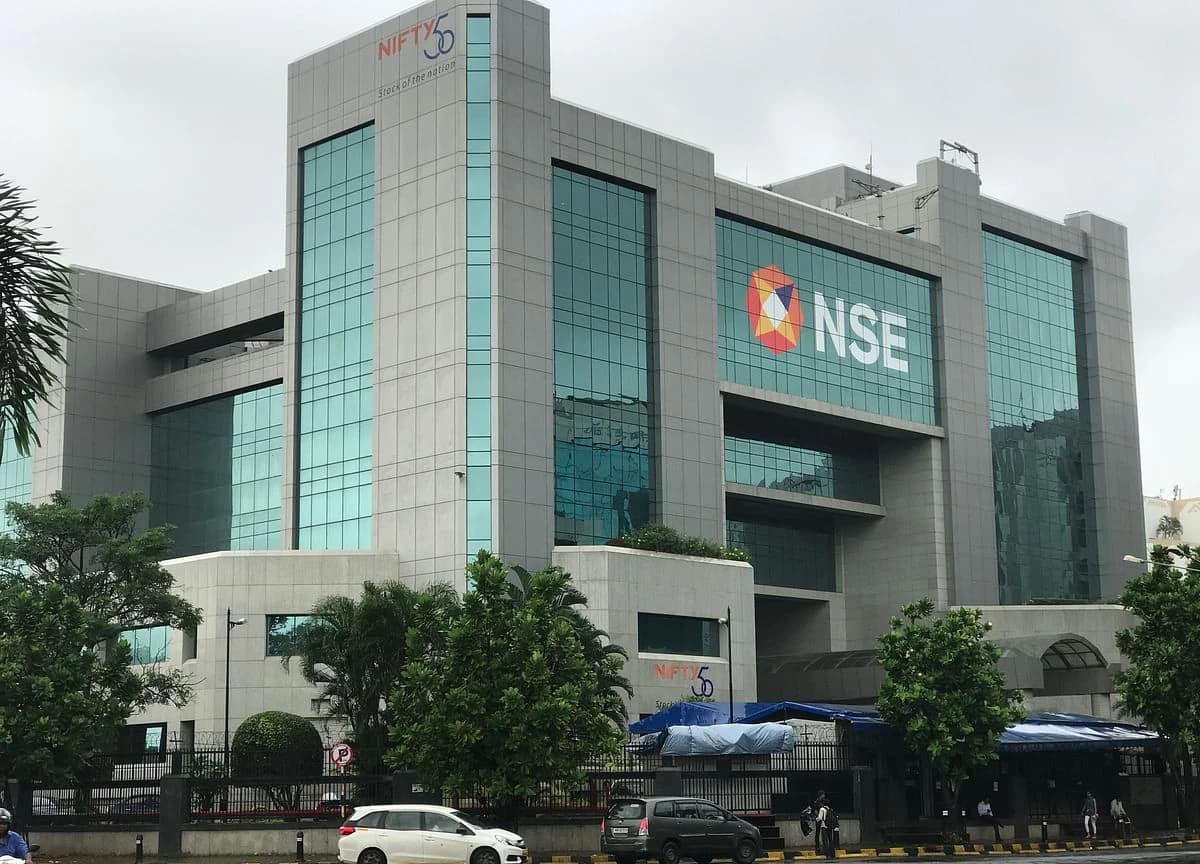
The pipeline matters because it shows how quickly capital markets can reopen when sentiment turns. November’s strength on Indian bourses, coupled with steady overseas inflows, is giving issuers confidence to tap public markets at scale even as global rates remain elevated and investors continue to discriminate sharply between growth stories and cyclical cash flows.
Sentiment Indicators
The December slate includes a mix of businesses that are likely to test investor demand across sectors, with the headline fundraising tally pointing to one of the busiest months for Indian IPOs in recent periods. That is important for the broader economy because a healthy IPO market does more than create listing-day trading opportunities: it provides financing for expansion, deleveraging and capex, while also helping private equity and early backers monetize positions.
Foreign institutional investors have been central to the rebound. Their buying in November helped lift sentiment in domestic equities and improved the backdrop for new issuance, even as the U.S. ten-year yield held around 5.1%, a level that usually pressures emerging-market assets by keeping global discount rates elevated. Indian equities, however, have managed to hold up better than many peers, with the India-focused ETF INDA trading above both its 50-day and 200-day moving averages and its relative strength readings showing strong momentum.
That momentum is also visible in the broader risk tone. Adalytica’s S&P 500 trade signals still show fear in U.S. sentiment, while the dollar’s readings point to extreme fear, a combination that tends to support capital rotation toward select emerging markets when local fundamentals remain intact. India has been one of the main beneficiaries, helped by domestic liquidity, earnings resilience and the perception that its growth story is still structurally stronger than many global alternatives.
For investors, the immediate question is not whether the market can absorb more IPOs, but whether pricing discipline will hold. A crowded calendar can support book-building as long as issuers are positioned as quality growth names and not simply riding a hot tape. If valuations stretch too far, first-day gains may be followed by the kind of post-listing volatility that can quickly cool demand.
The bigger narrative is that India’s equity market is shifting from a defensive funding environment to a more open issuance cycle, and that usually benefits brokers, merchant bankers, exchanges and institutions with access to deal flow. The risk is that a sudden reversal in foreign flows, or a broader pullback in global risk assets, could leave the December pipeline exposed. For now, though, the message from the market is clear: investors are willing to fund new listings again, and companies are moving quickly to take advantage.
| Entity | Gains | Losses |
|---|---|---|
| IPO candidates | ▲Fresh capital, stronger valuations | ▼Greater scrutiny on pricing |
| Indian exchanges & bankers | ▲Higher fee income, deal activity | ▼Execution risk if demand softens |
| Foreign investors | ▲New allocation opportunities | ▼Exposure to listing volatility |
| Secondary-market incumbents | ▲Broader market depth | ▼Capital may rotate into new issues |