India’s economy is still expanding at a brisk pace, but Goldman Sachs says growth will cool next year even as inflation re-accelerates enough to force the Reserve Bank of India to keep tightening policy.
India growth cools as inflation rises, RBI stays tight
That combination matters because it points to a less comfortable phase for Asia’s fastest-growing major economy: activity remains strong, yet price pressures are likely to erode household purchasing power, keep borrowing costs elevated and complicate the RBI’s effort to sustain investment-led expansion.
Sentiment Indicators
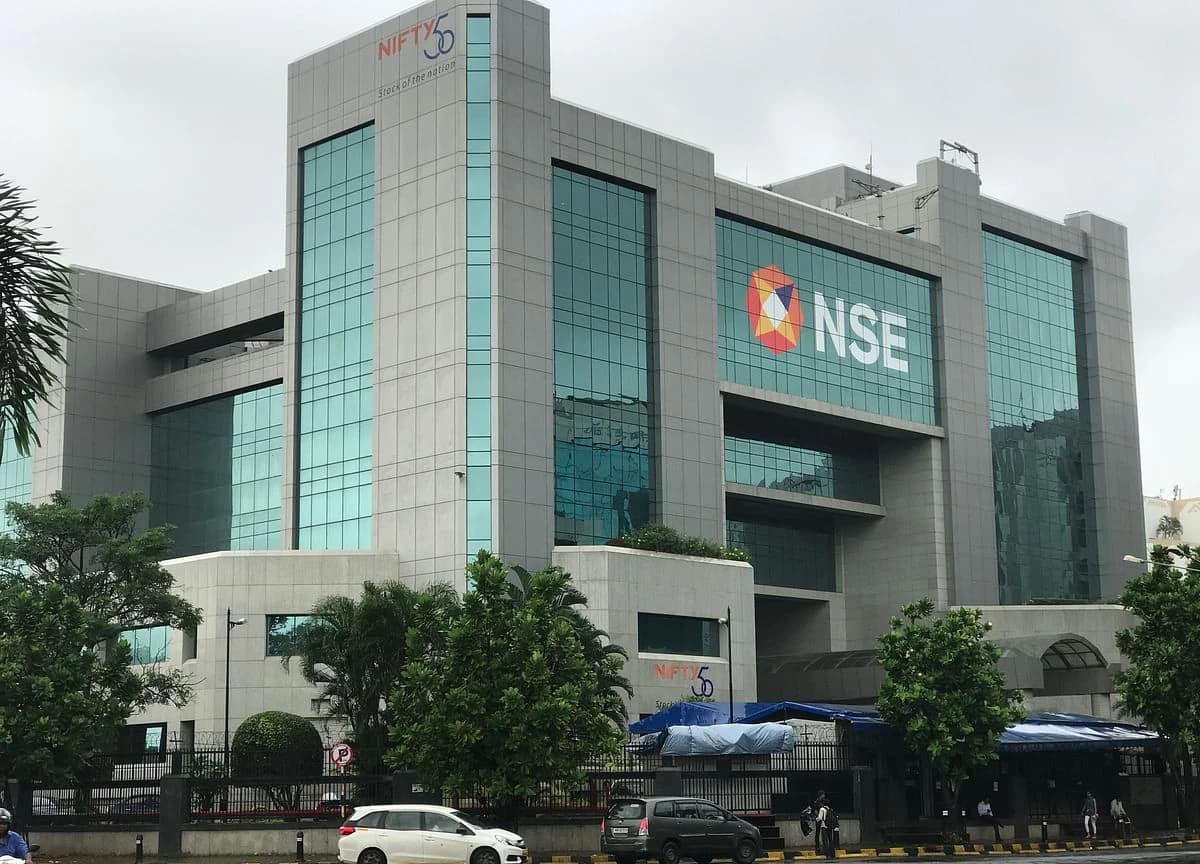
Goldman expects real GDP growth to ease to 7.2% in 2027 from 7.9% in 2026, a slowdown but still a pace that would outstrip most large economies. The firm said the deceleration should be cushioned by a recovery in private-sector investment, helped by rising capital expenditure across listed companies and improving corporate earnings. It cited 17% year-on-year capex growth among NSE 500 companies in 2026, the second-highest reading in a decade, led by utilities, energy, autos, capital goods and materials.
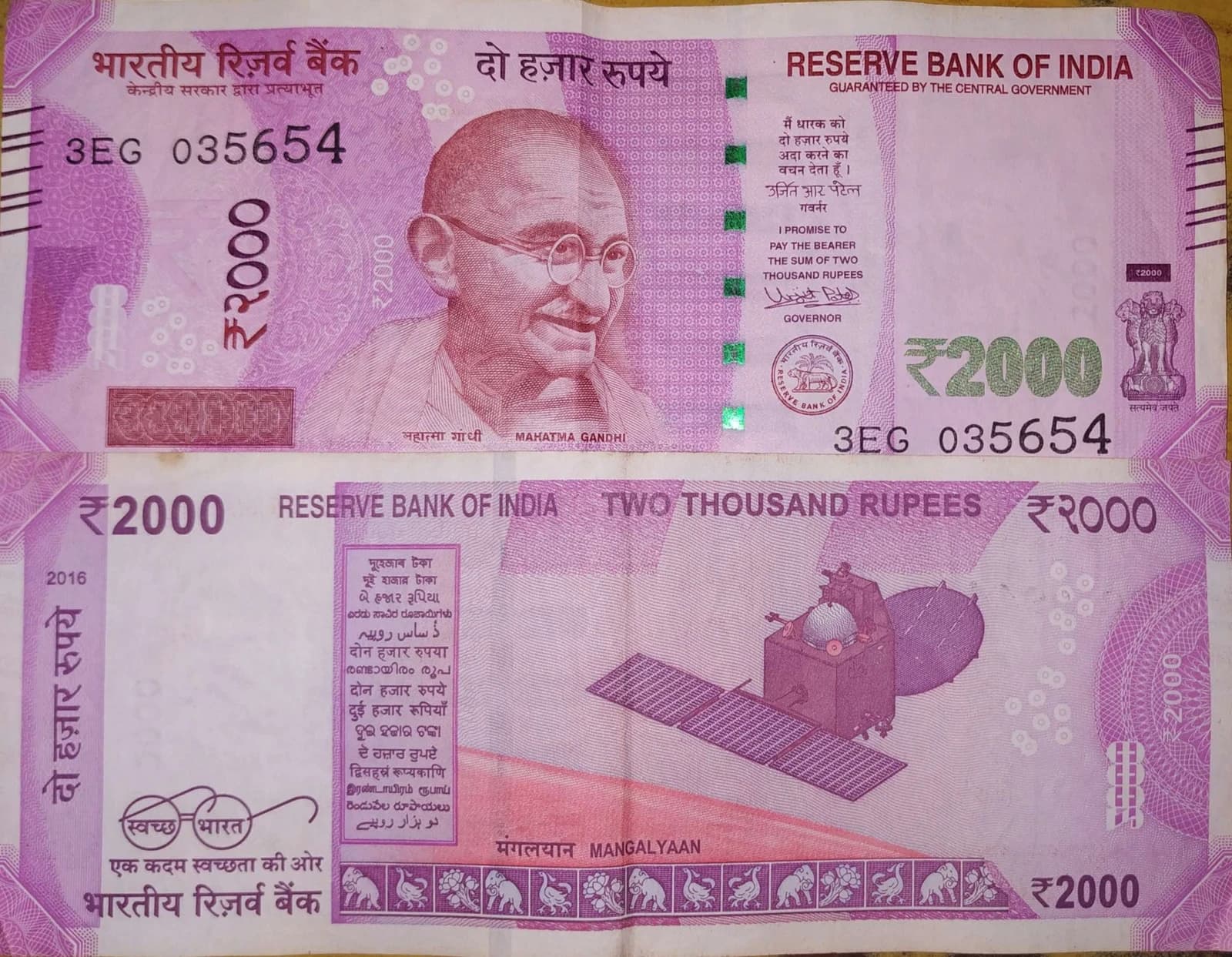
The more important risk is inflation. Goldman sees consumer prices rising to 5.7% in 2027 from 4.6% in 2026, above market expectations, on the back of weather-related supply shocks linked to El Niño and higher input costs. That outlook implies the RBI may have to keep policy restrictive for longer, with the repo rate projected to rise to 6.25% by end-2027 from 5.75% at end-2026.
For investors, that mix usually means better earnings visibility for lenders and domestic cyclicals only if growth holds up, while more pressure lands on rate-sensitive sectors such as real estate, consumer durables and highly leveraged firms. It also raises the cost of capital for companies trying to fund expansion, even as Goldman sees corporate earnings growth strengthening to 15% in 2027 and 2028.
The rupee may offer some offset. Goldman said it expects the currency to stabilize around 96 to the dollar over the next 12 months, arguing the worst of the pressure is likely over thanks to robust services exports, remittances and improving capital flows. A steadier currency would help limit imported inflation and ease some strain on foreign investors, even if the policy backdrop stays tight.
The broader message is that India is not heading into a downturn so much as a more inflation-constrained phase of expansion. That is still constructive for long-term growth, but it leaves the RBI with less room to support demand and leaves equity markets more dependent on earnings delivery rather than multiple expansion.
| Entity | Gains | Losses |
|---|---|---|
| RBI | ▲Policy room to fight inflation | ▼Growth-support flexibility |
| Banks and lenders | ▲Higher-rate environment | ▼Slower credit demand |
| Domestic cyclicals | ▲Capex recovery | ▼Margin pressure from input costs |
| Rate-sensitive sectors | ▲Lower leverage risk if inflation eases | ▼Higher borrowing costs |