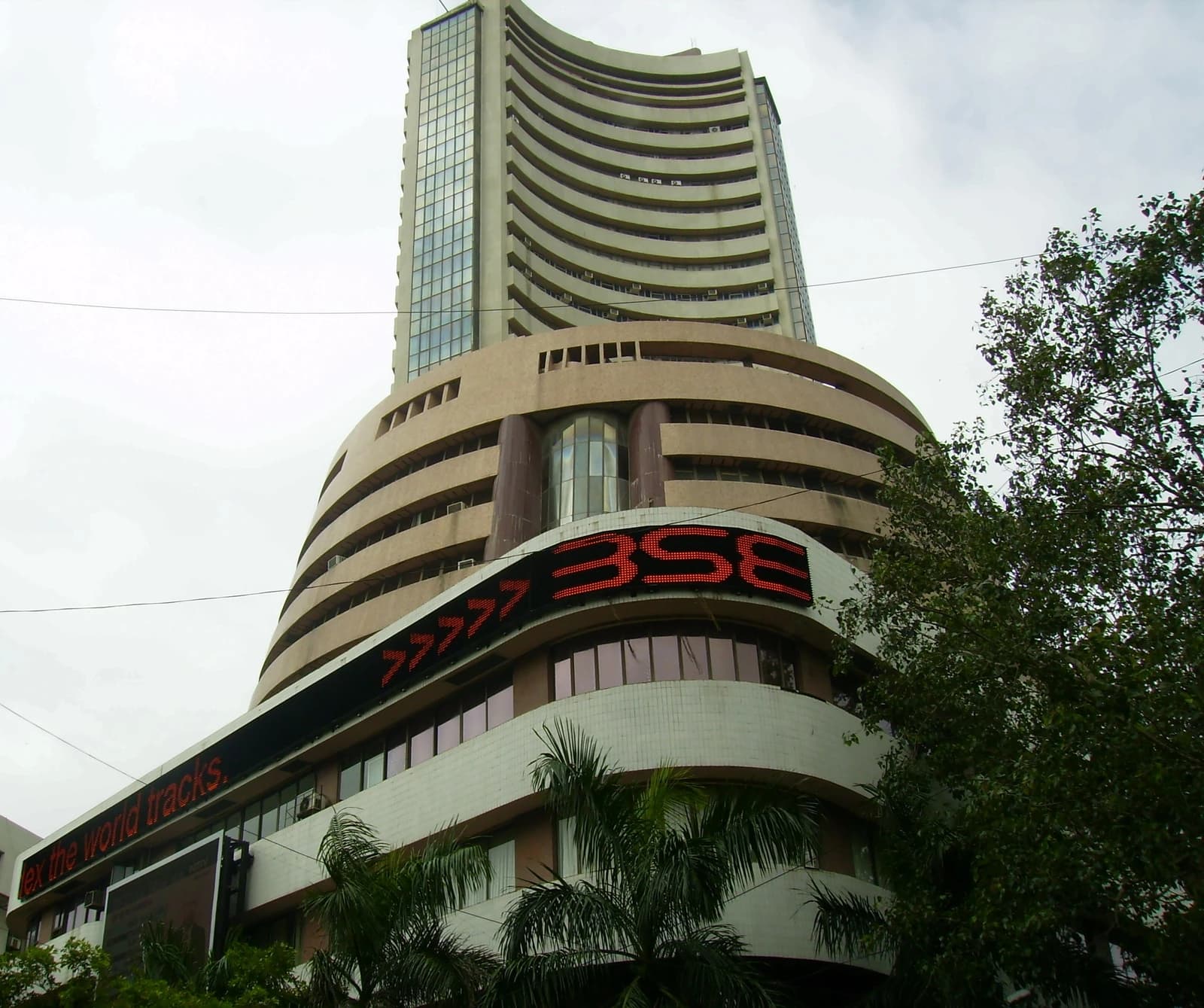
The Indian rupee is entering a volatile week with two forces working against it: a jump in global oil prices and a sudden unwind in AI-linked equities that has lifted demand for the dollar.
Indian rupee weakens as oil and dollar rise
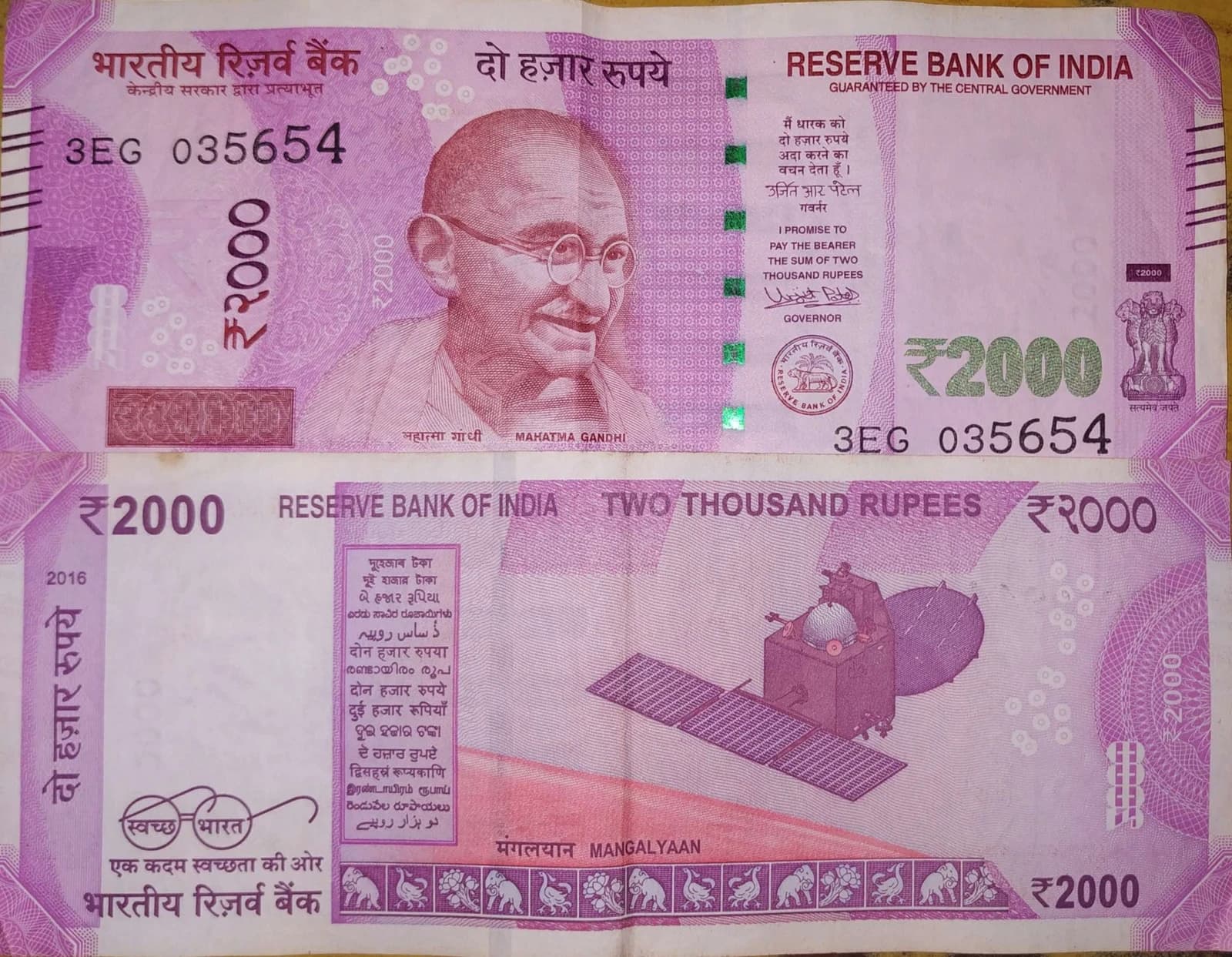
That combination matters because India sits at the intersection of both trades. Higher crude prices widen the country’s import bill and can pressure the current account, while a stronger dollar and shakier global risk appetite tend to drain capital from emerging markets. For investors, the setup raises the odds that the rupee stays on the defensive even before domestic inflation data and bond-market cues have a chance to reprice interest-rate expectations.
Sentiment Indicators
US Dollar
The rupee was last at 94.24 per dollar, after slipping from 93.7 on Nov. 12, leaving it close to the upper end of its recent range. On the charts, the currency is trading below its 50-day and 200-day moving averages, while the RSI remains near 29, a level that typically reflects persistent downside pressure rather than stabilization. The move comes as the dollar’s own Adalytica trade signals have swung back to neutral after a sharp rise in recent days, underscoring how quickly the FX backdrop can turn when risk appetite fades.
Crude is the other hinge point. Brent-linked oil has been volatile, with the broader benchmark around $88 a barrel after touching above $106 earlier this year and above $100 as recently as September. Even at current levels, the market is still far more expensive than it was when India’s import costs were easier to absorb, and every renewed spike in oil tends to hit the rupee first and hardest. India remains one of the world’s biggest energy importers, so the currency’s sensitivity to oil is structural, not temporary.
The inflation test later this week is therefore bigger than one data print. If consumer prices come in hotter than expected, traders are likely to push back expectations for central bank easing and keep bond yields elevated. That is especially important after US Treasury yields jumped to around 5.1%, a move that has tightened global financial conditions and encouraged dollar buying. Indian sovereign bonds have already shown how vulnerable they are to that backdrop, with recent selling pressure underscoring how imported inflation and foreign yield moves can collide.
For equity investors, the message is just as clear. AI names have become a global liquidity barometer, and the sharp drop in Nvidia has been enough to sour sentiment across risk assets. When that trade cracks, it does not just hit semiconductors; it ripples through emerging-market currencies, local debt, and import-sensitive sectors. India’s market is not immune, especially if foreign portfolio flows slow while oil stays firm.
The investable conclusion is simple: the market underestimates how quickly the rupee can remain under pressure when oil, US yields and global tech risk all move the wrong way at once. Until inflation data and bond yields give relief, the balance of risk favors dollar strength, cautious positioning in Indian duration, and selective hedging around energy-sensitive exposures.
| Entity | Gains | Losses |
|---|---|---|
| US dollar | ▲Safe-haven demand | ▼Emerging-market currencies |
| Indian importers | ▲None | ▼Higher fuel costs |
| Indian government bonds | ▲Lower inflation possible | ▼Higher yield pressure |
| Oil producers | ▲Better pricing power | ▼India’s trade balance |