India is facing a fresh inflation scare just as foreign investors pull money out and the rupee comes under renewed pressure, raising the risk that higher oil costs and tighter financial conditions will squeeze consumers, corporations and policymakers at the same time.
India inflation risk rises with oil, rupee pressure

The most important development is not a single price print but the convergence of three forces that usually do not stay contained for long: Brent-linked crude has surged back above the level that typically feeds into India’s import bill, the currency has been volatile enough to force intervention from the Reserve Bank of India, and October saw foreign investors withdraw ₹48,056 crore from Indian markets. That combination matters because India is a major energy importer, so every sustained jump in oil filters quickly into transport, food and industrial costs, while a weaker rupee makes those imports even more expensive.
Sentiment Indicators

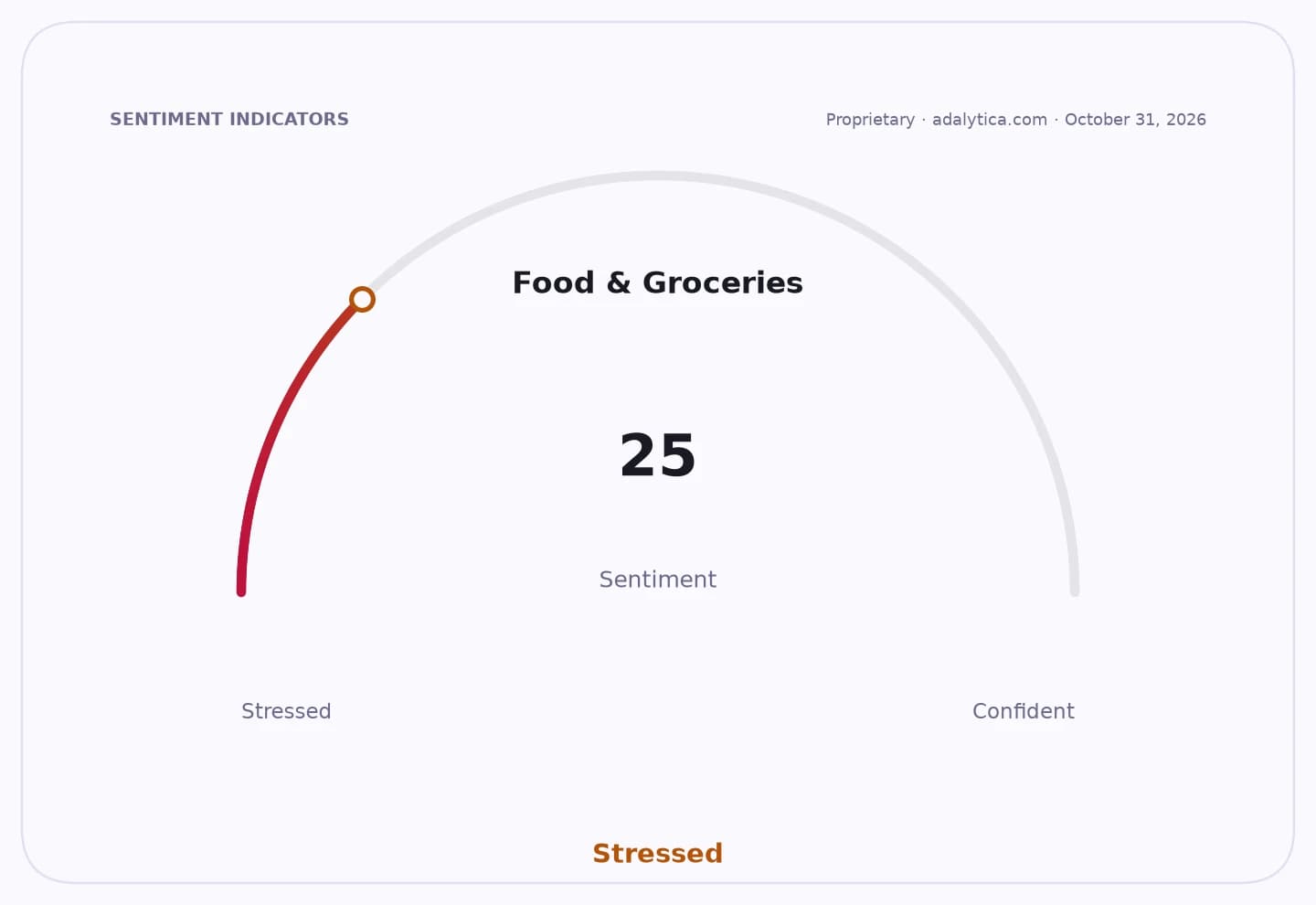
For investors, this is the kind of inflation backdrop that can widen the gap between winners and losers. Sectors with pricing power and foreign currency earnings tend to hold up better, while consumer staples, discretionary spending and rate-sensitive names can get caught in the squeeze if the RBI is forced to stay tighter for longer. The government’s decision to raise the inflation allowance for central employees by 3% may offer political relief, but it also underscores how embedded price pressure is becoming in household budgets.
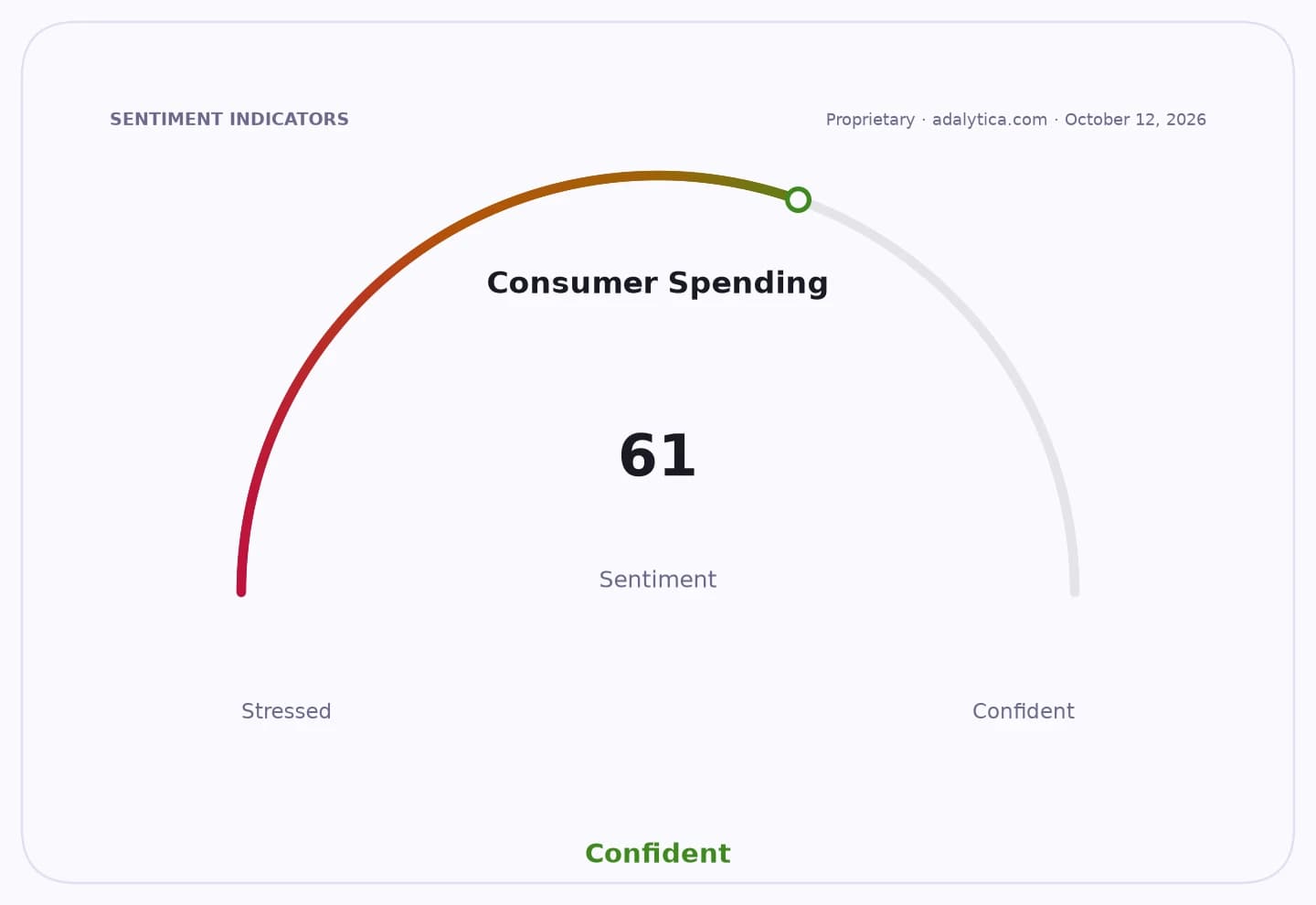
The macro message is clear: India’s growth story is still intact, but it is no longer operating in a benign inflation environment. The Adalytica CPI sentiment snapshot remains neutral, yet consumer spending sentiment is flashing extreme greed, a sign that demand has not cracked even as policy and commodity risks rise. That makes the next move in oil and the rupee especially important. If crude holds near $105 and capital outflows continue, India could face a more persistent inflation impulse than the market is currently pricing in.
DCOILWTICO vs CPIAUCSL — macro contextadalytica.com
Explore this data interactively — full history, time series and cross-market comparisons.
The investable implication is straightforward. This is a moment to favor exporters, dollar earners, energy-linked names and companies with strong balance sheets over businesses exposed to imported inflation and softer real demand. The market underestimates how quickly oil and currency stress can move from a macro headline to a margin problem. In India, inflation is not just a policy issue — it is the catalyst that can reorder leadership across the market.
| Entity | Gains | Losses |
|---|---|---|
| Energy exporters | ▲Higher realizations | ▼Importers’ cost pressure |
| RBI | ▲Policy leverage | ▼Harder inflation fight |
| Consumer staples | ▲Defensive demand | ▼Margin squeeze |
| Import-heavy firms | ▲— | ▼Weak rupee, pricier oil |