Brent crude’s surge to about $114.50 a barrel is the immediate economic shock India cannot ignore: a sustained move above $110 risks pushing up pump prices, widening the current-account deficit and putting fresh pressure on a rupee already trading near 95 to the dollar.
Brent at $114.50 pressures India imports, rupee

That matters because India imports roughly 88% of its fuel needs, and about 40% of those shipments pass through the Strait of Hormuz, leaving the economy exposed to any escalation in Middle East supply disruptions. Renewed Houthi attacks on Saudi oil infrastructure, along with broader tensions around Iran and Ukraine’s strikes on Russian refineries, have lifted crude to its highest level in weeks and revived the kind of energy shock that quickly leaks into transport costs, food inflation and corporate margins.
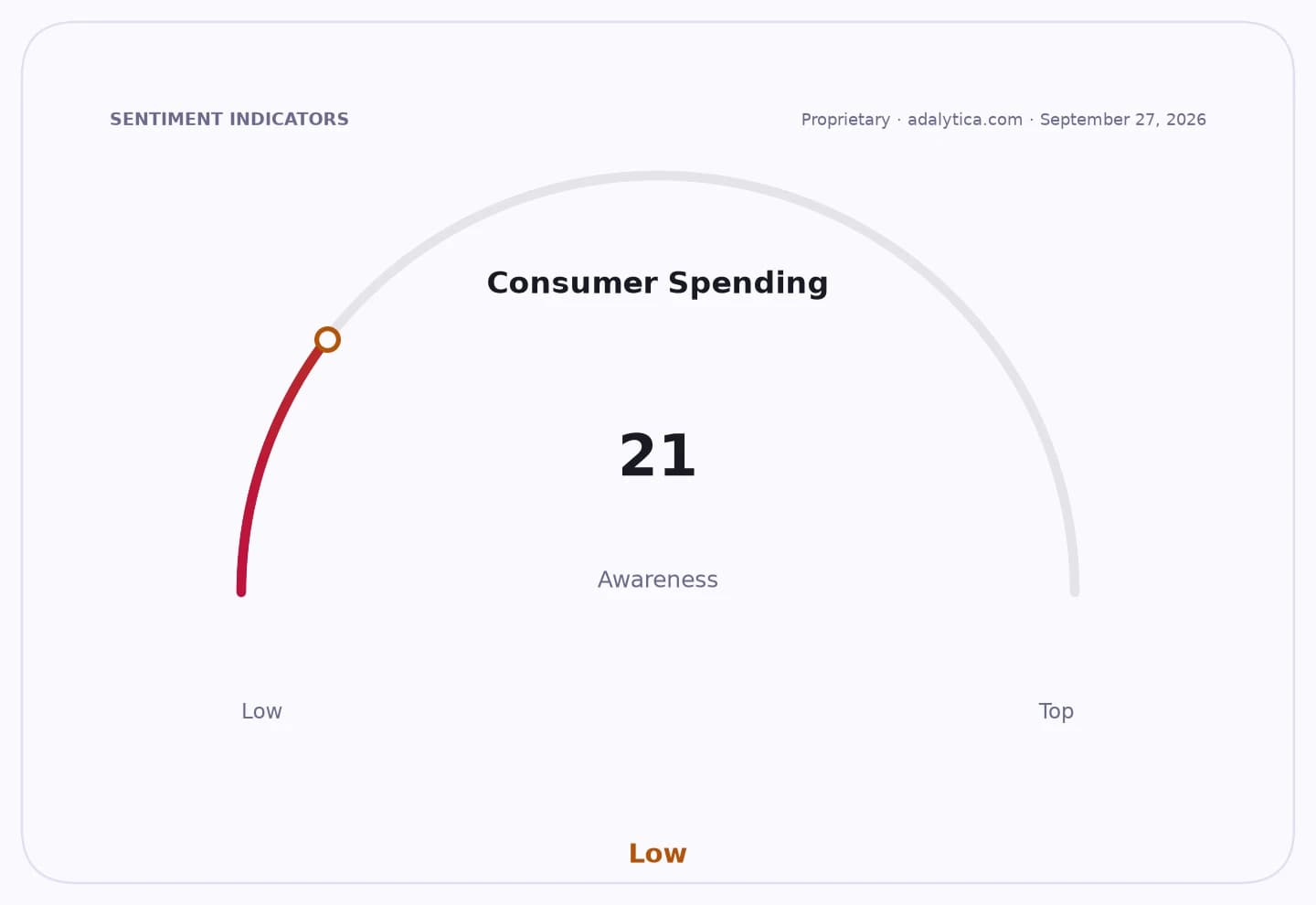
Sentiment Indicators
For investors, the transmission is straightforward. Higher crude prices lift the oil import bill, which New Delhi has already seen swell sharply this fiscal year, with crude imports in the first half of FY27 rising to $90.6 billion from $61.9 billion a year earlier. Every $10 jump in oil can shave roughly 0.4% to 0.5% off GDP and add about 30 to 50 basis points to inflation, according to the estimates cited in the context. That is enough to force the Reserve Bank of India to stay cautious on rates, even if growth is already under strain.
The market implication is that India’s macro balance is becoming more fragile just as global oil enters a geopolitically driven breakout. A weaker rupee would compound the problem by making every imported barrel more expensive in local currency terms, while also encouraging more dollar demand and pressuring the current account. OMCs can absorb part of the hit for a time, but they cannot fully shield consumers if crude stays elevated.
The investable read-through is not simply “higher oil is bad.” It is that the second-order winners are likely to be energy producers, refiners and dollar earners, while transport, aviation, chemicals and rate-sensitive domestic sectors face margin pressure. The BNO oil ETF’s climb toward $71 and USO’s push above $168 show that the market is already pricing a sustained geopolitical premium, not a brief flare-up.
If Brent holds near $115 or pushes toward $120, India’s inflation, currency and growth trade-off gets much harder. That is the inflection point investors should watch: not whether petrol prices rise immediately, but whether policymakers are forced into a broader defensive response as imported inflation tightens its grip on the economy. Position for continued oil volatility, and favor beneficiaries of expensive crude over sectors that live on cheap energy.
| Entity | Gains | Losses |
|---|---|---|
| Brent / Oil producers | ▲Higher realized prices | ▼Demand-sensitive buyers |
| Indian upstream/refining plays | ▲Wider operating leverage | ▼Fuel-import dependent economy |
| Indian OMCs / consumers | ▲Limited near-term relief | ▼Higher pump prices |
| INR / current account deficit | ▲— | ▼Weaker rupee, larger import bill |