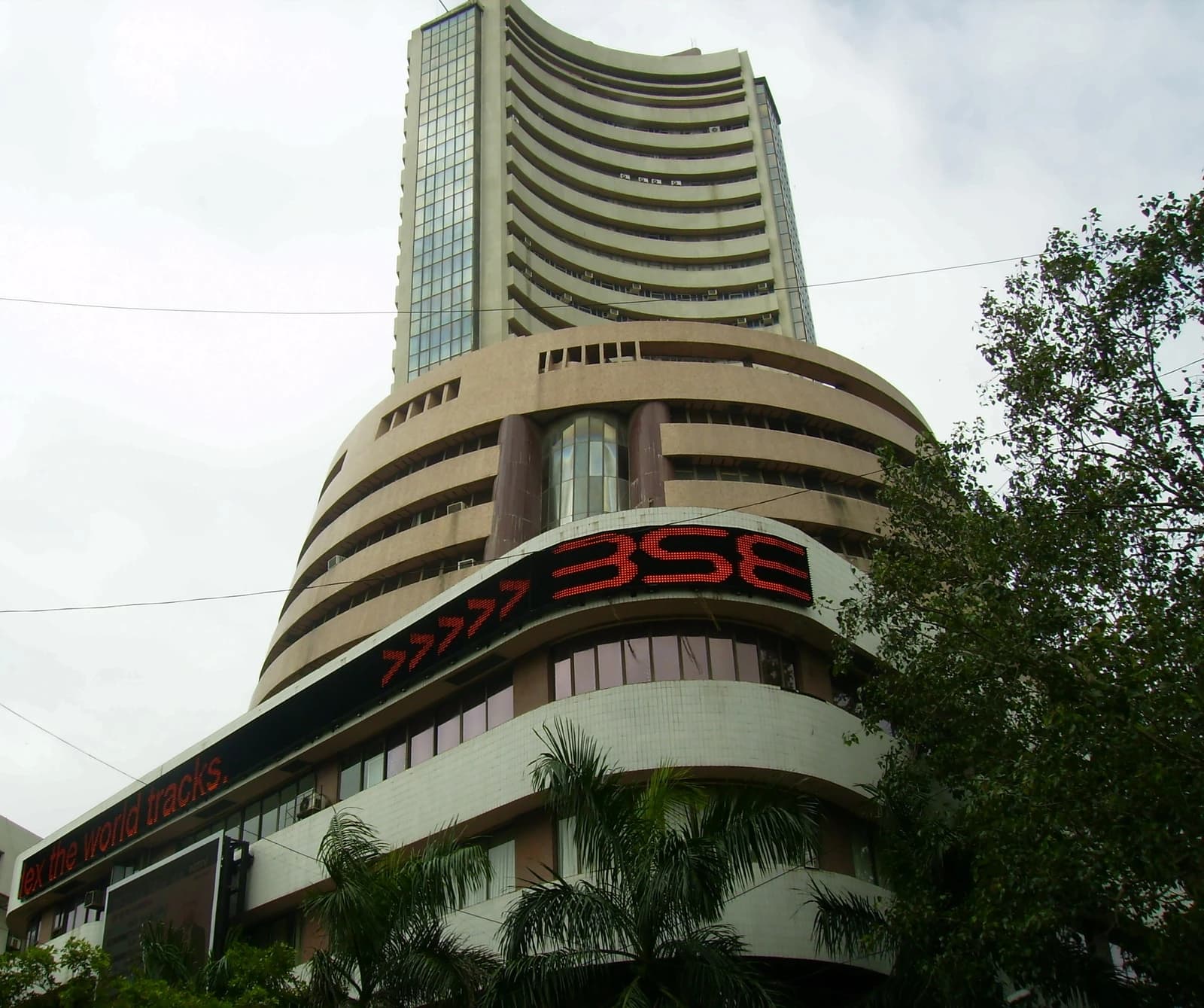
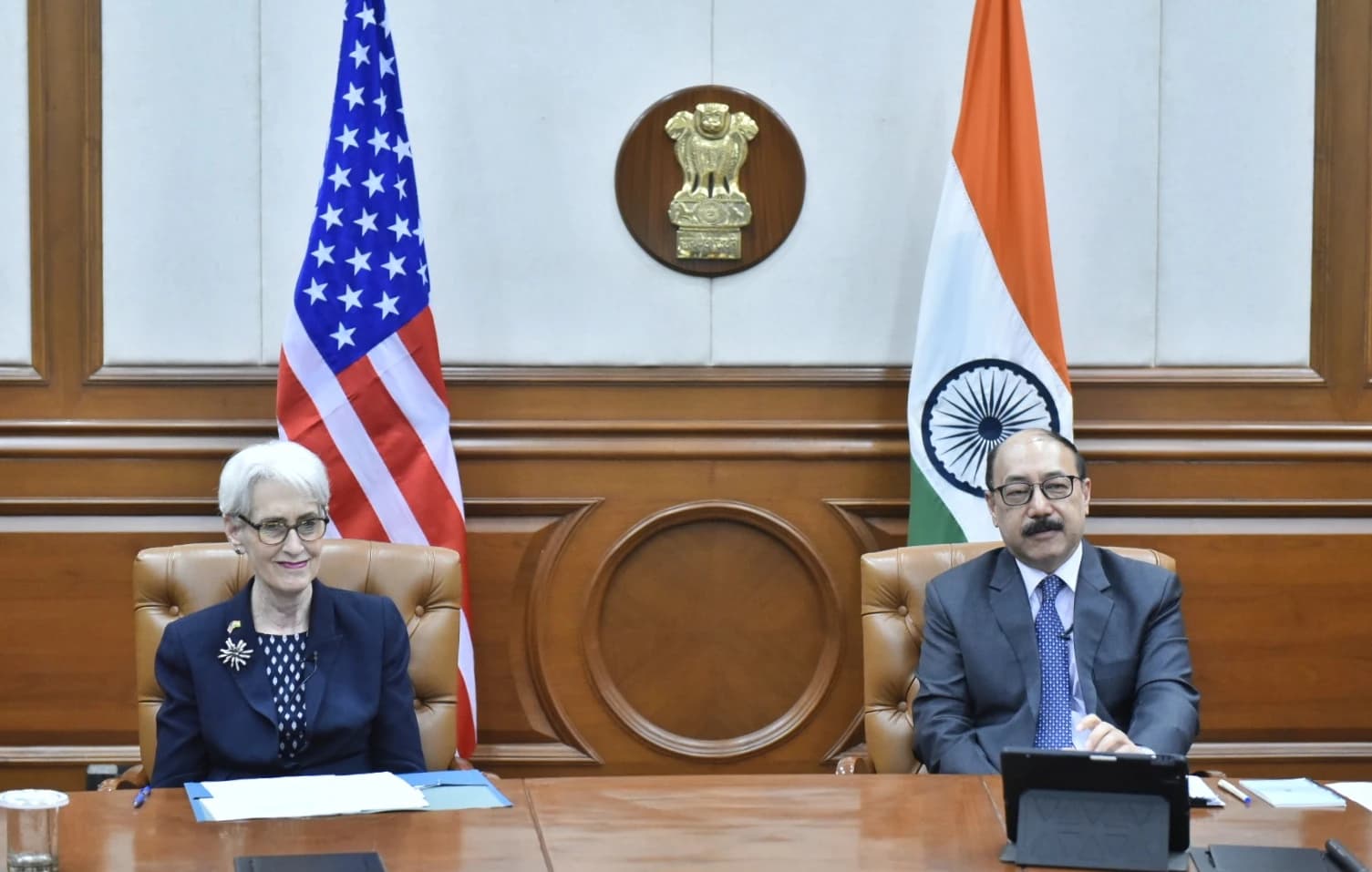
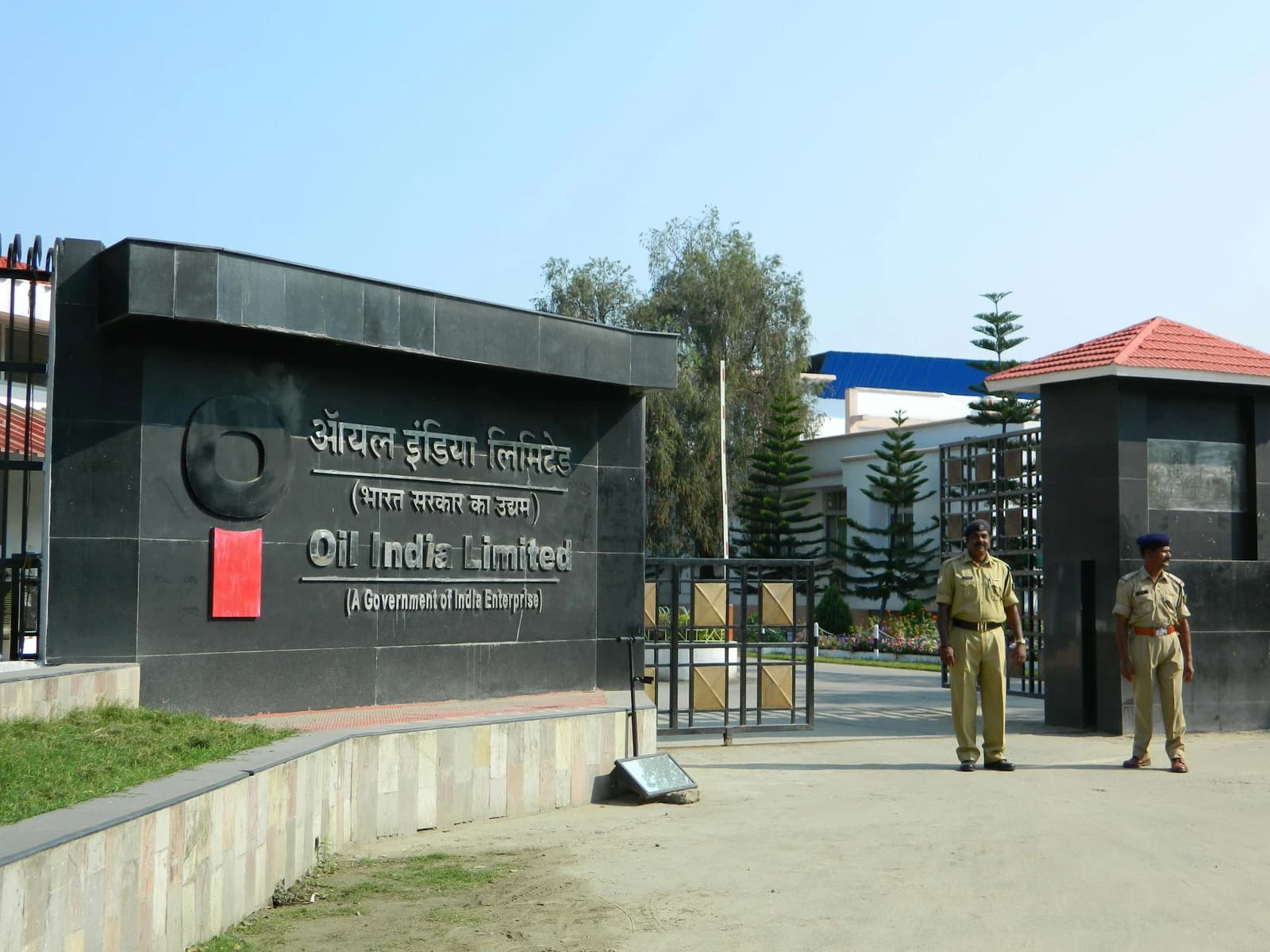
India’s rise as the world’s biggest refining hub is getting an unusually explicit nod from Washington, and that matters because it points to a bigger shift in global oil flows, trade policy and the balance of power in downstream energy. When U.S. Secretary of State Marco Rubio calls India a “refining superpower” and says Washington will discuss Venezuelan crude production with Reliance Industries, he is effectively acknowledging that India’s giant refineries have become central to how the world processes discounted barrels and routes fuel to markets that still need it.
India refiners gain focus as Rubio praises hub
That is economically important for two reasons. First, India’s refiners have built the scale and flexibility to handle heavy crude from places such as Venezuela and, when sanctions allow, Russia — a feedstock mix that can support attractive margins when global supply is tight. Second, the U.S. appears willing to treat India less as a passive buyer of oil and more as a strategic partner in balancing energy markets. For a country that imports most of its crude, every extra source of supply helps stabilize domestic fuel costs, the trade deficit and inflation pressure.
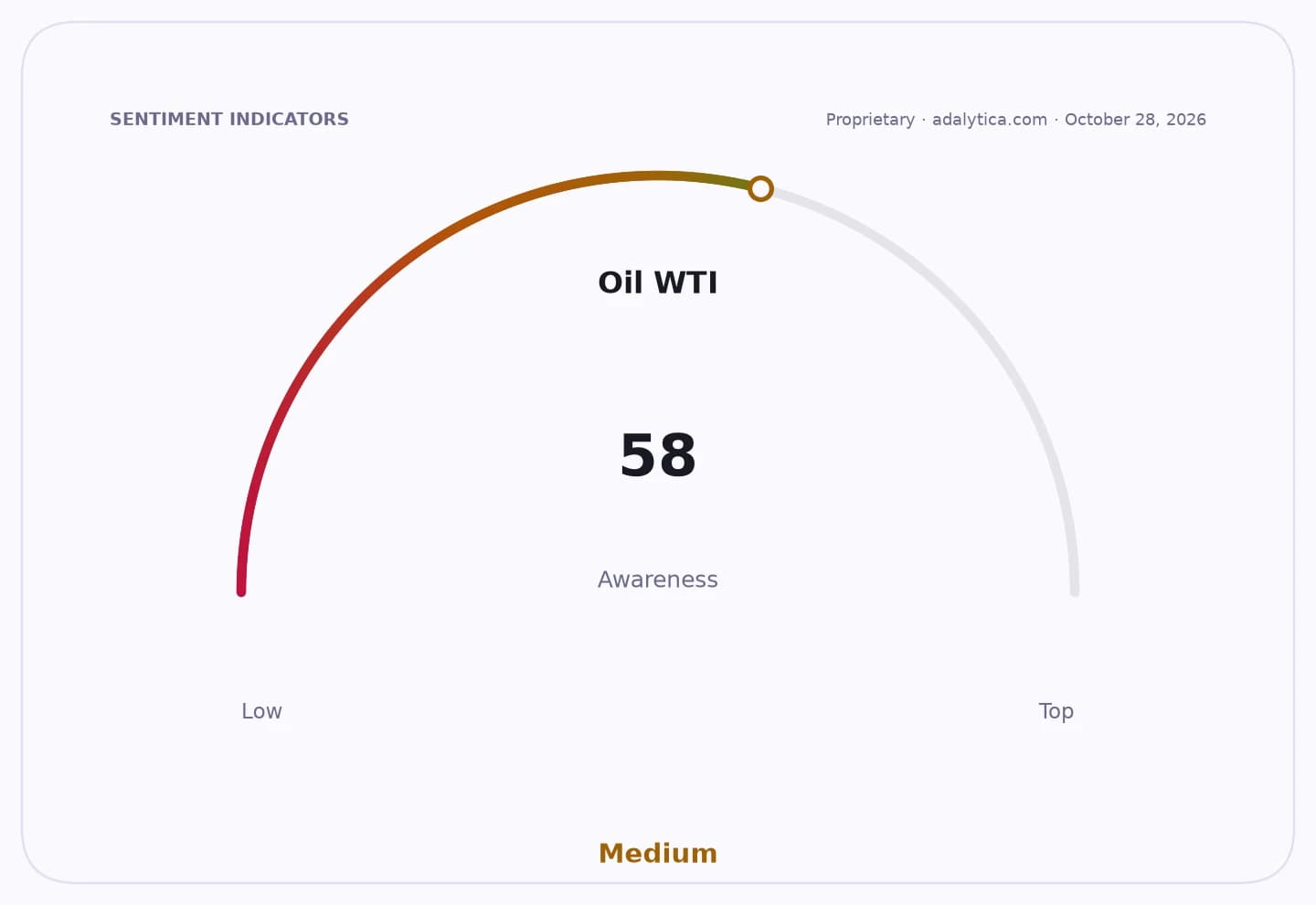
Sentiment Indicators
The market implications are just as clear. Refiners with global reach, especially Reliance, stand to benefit if India keeps expanding its role as the place where difficult crude is turned into transport fuel and exported. That kind of business can be highly profitable when refining spreads are strong. U.S. refiners such as Marathon Petroleum and Phillips 66 also remain relevant because a tighter global crude and product market tends to reward efficient downstream operators, even if India’s rise increases competition for certain barrels and markets. Valuations may swing with oil prices, but the long-term story is about scale, complexity and feedstock optionality — the ingredients that determine who earns the best returns in refining.
Rubio’s comments also hint at a broader thaw in U.S.-India energy cooperation, even as the two countries continue to haggle over tariffs, market access and a trade deal that he said is close to being finished. A possible meeting with Mukesh Ambani in Jamnagar, home to the world’s largest single-site refinery complex, would underline how much of this relationship runs through corporate execution as much as diplomacy.
For investors, the takeaway is simple: India’s refining muscle is no longer just an industrial fact — it is a geopolitical asset. That makes the country’s top refiners worth watching over the next several years, especially as oil supply keeps fragmenting and governments lean on trusted processing hubs to turn crude into cash flow.
| Entity | Gains | Losses |
|---|---|---|
| Reliance Industries | ▲More crude access, strategic relevance | ▼Higher scrutiny, sanction risk |
| India | ▲Energy security, refining income | ▼Import exposure, policy pressure |
| U.S. refiners | ▲Stronger downstream economics | ▼More competition for margins |
| Venezuela crude sellers | ▲New demand outlet | ▼Sanctions uncertainty |