Saudi Aramco is pushing to lift capacity on its East-West crude line to 10 million barrels a day, a move that would strengthen the kingdom’s ability to move oil around chokepoints and keep exports flowing when the Middle East is unstable.
Saudi Aramco plans East-West pipeline capacity boost
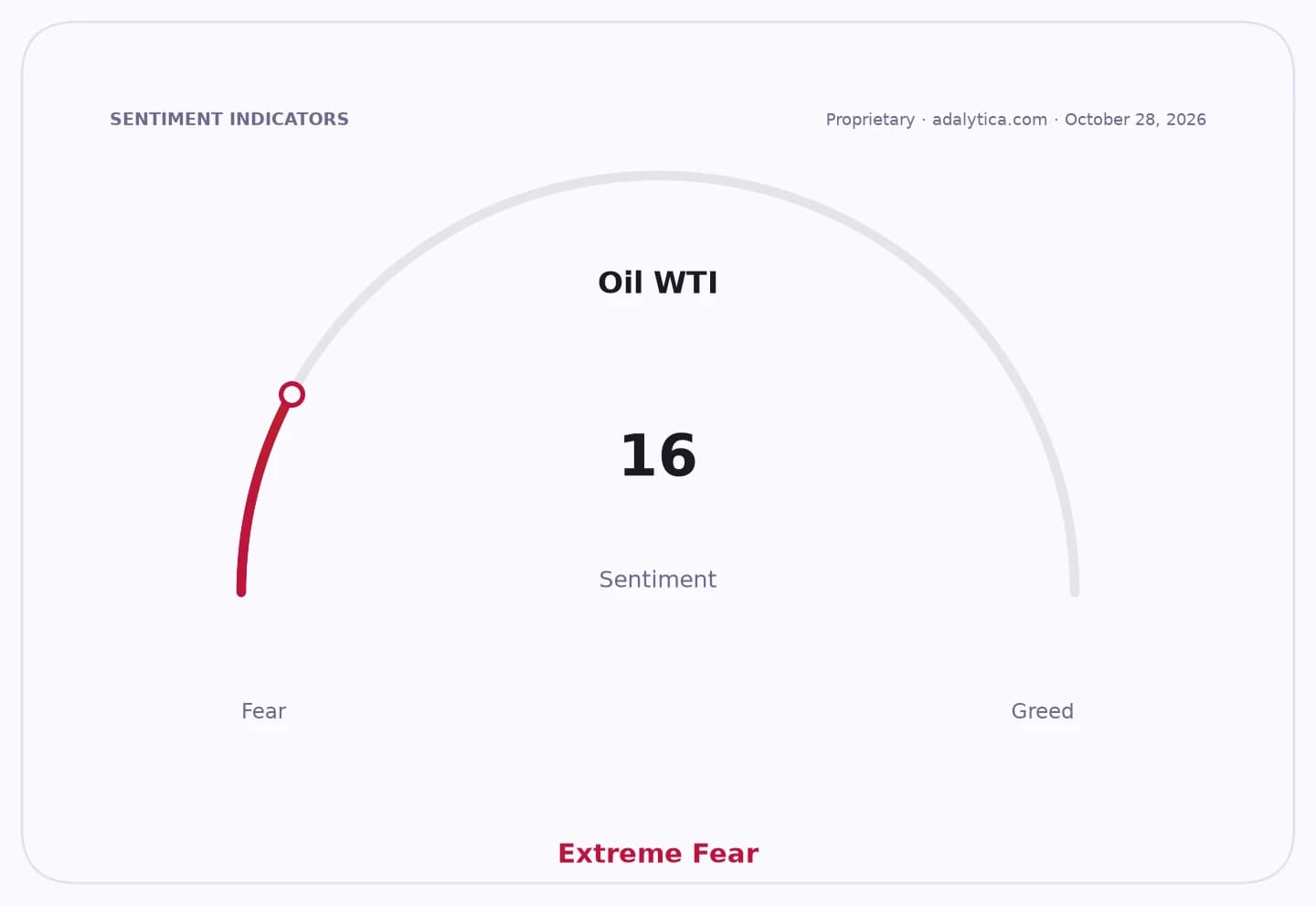
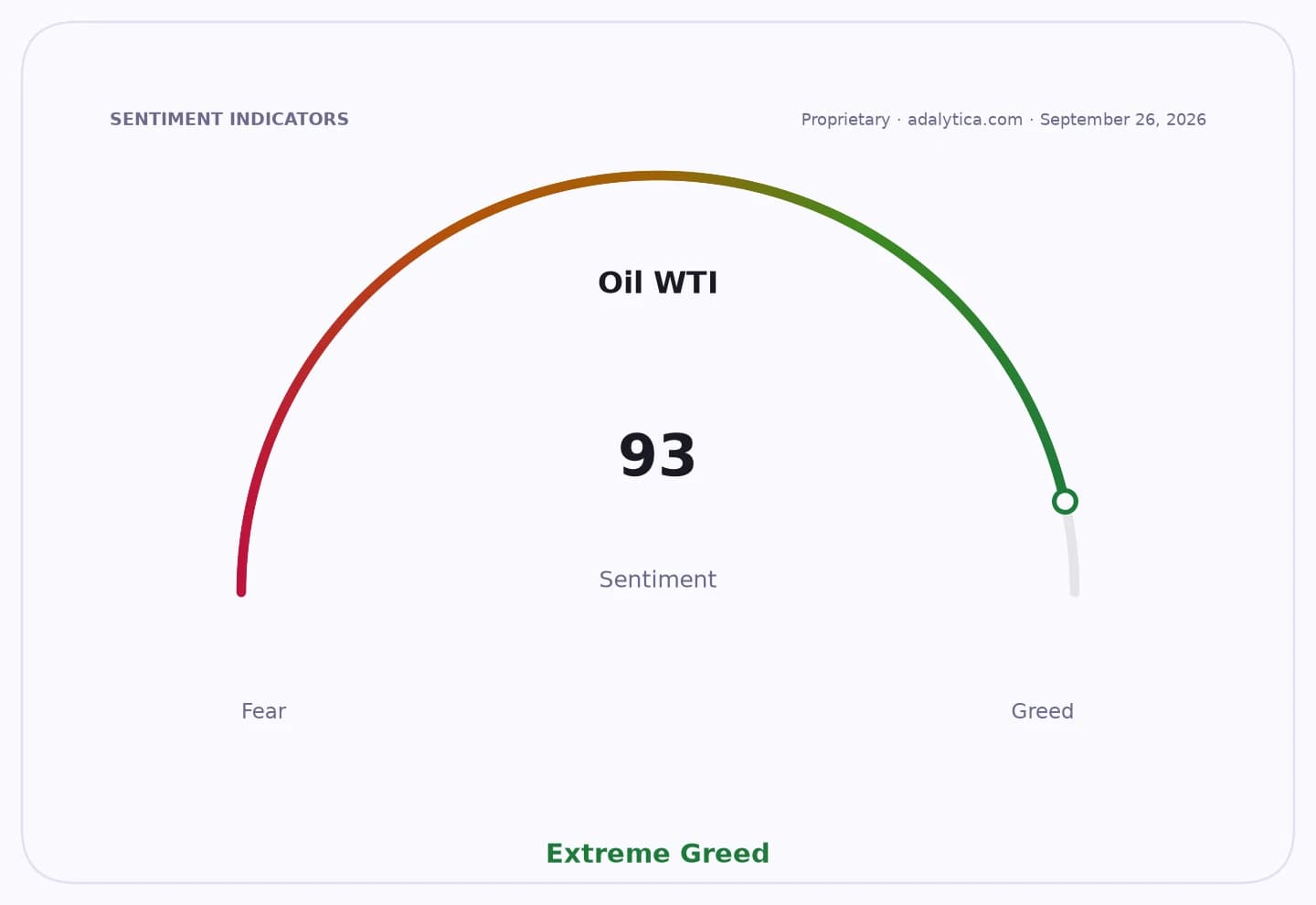
Oil WTI
That matters because pipeline capacity is not just a logistics detail — it is market power. The East-West route has already helped cap oil prices during periods of disruption, according to Aramco chief executive Amin Nasser, and the company says the broader oil market has lost about 3 billion barrels of supply since the current crisis began. In a tight market, every barrel that can bypass vulnerable sea lanes matters to refiners, consumers and investors.
Sentiment Indicators
For energy markets, the message is straightforward: Saudi Arabia is investing in resilience at a time when geopolitical risk remains elevated. Aramco said it has three export routes — Hormuz, Bab el-Mandeb and Sidi Kerir — and is studying additional export paths as well. That kind of optionality is valuable when shipments can be interrupted by conflict, sabotage or shipping bottlenecks. It also helps explain why crude has remained firm even as headlines repeatedly raise fears of disruption.
The timing is important for investors because the oil trade is still being shaped by scarcity and supply discipline. U.S. benchmark crude has been volatile, and the energy complex has stayed bid even as broader risk sentiment swings. Adalytica’s oil WTI trade snapshot shows “extreme fear,” underscoring that market participants are still treating supply shocks as a real threat rather than a temporary headline. For producers, that can support pricing power. For refiners and fuel consumers, it keeps input costs exposed.
Aramco is also signaling that it sees demand growth ahead after the crisis, with Nasser saying demand could rise by 3 million barrels a day once conditions normalize. That is a long-term bullish setup for a low-cost producer with infrastructure that can move oil quickly and at scale. The company says its production cost remains around $3 a barrel, a reminder that few competitors can match its margin buffer if crude prices retreat.
The broader investment case here is not about chasing a single price move. It is about a company — and a country — reinforcing an enduring moat: spare capacity, diversified export routes, and cheap barrels. Those advantages tend to matter most over years, not weeks. If Saudi Arabia can keep expanding the East-West system while maintaining optionality elsewhere, Aramco remains one of the most strategically important energy companies in the world and a core name for investors who want long-term exposure to global oil security.
| Entity | Gains | Losses |
|---|---|---|
| Saudi Aramco | ▲Export flexibility | ▼Less routing risk |
| Oil buyers/refiners | ▲More secure supply | ▼Higher logistical costs |
| Oil producers with weak infrastructure | ▲Higher benchmark support | ▼More competition from Saudi capacity |
| Geopolitical risk hedgers | ▲Stronger case for protection | ▼Easier complacency on supply shocks |