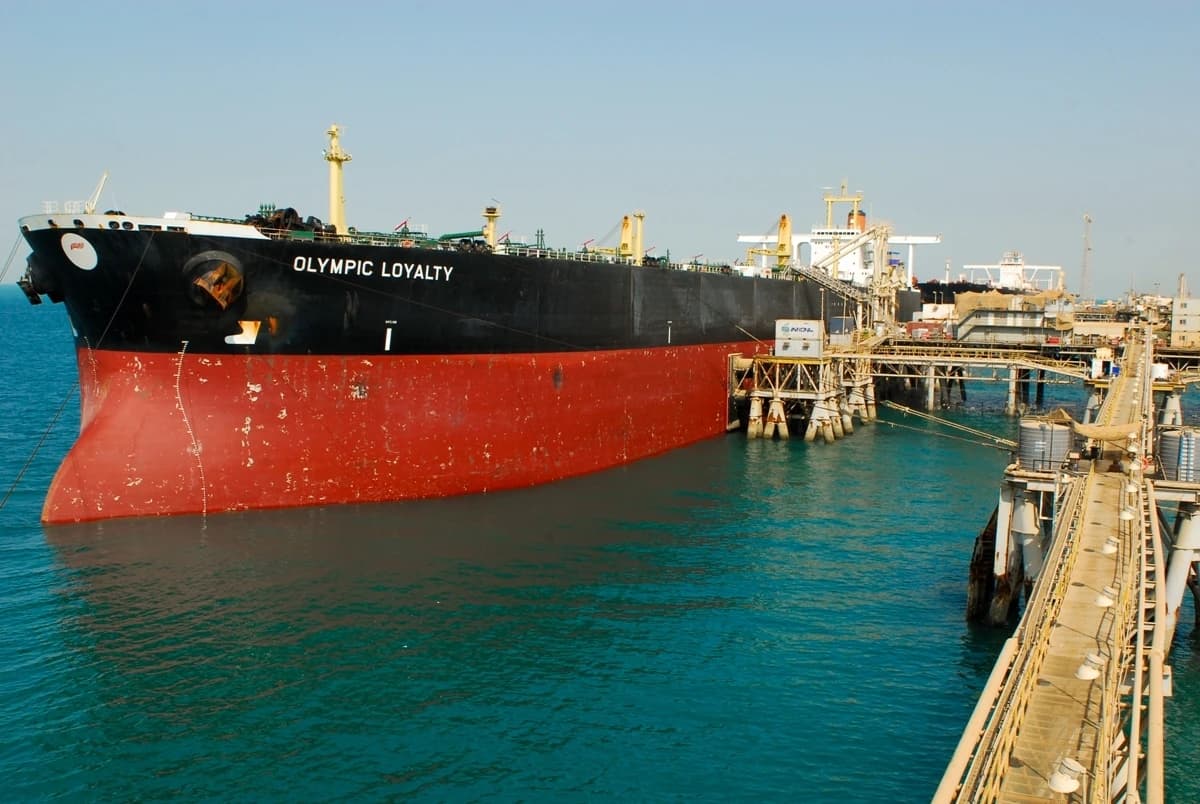
Aramco has asked employees to evacuate its Dhahran headquarters and work remotely for the first time since the war began, underscoring how the conflict on Saudi Arabia’s southern border is moving from a security nuisance to an operational risk for the world’s largest oil exporter.
Aramco evacuates Dhahran HQ amid conflict risk
Oil WTI
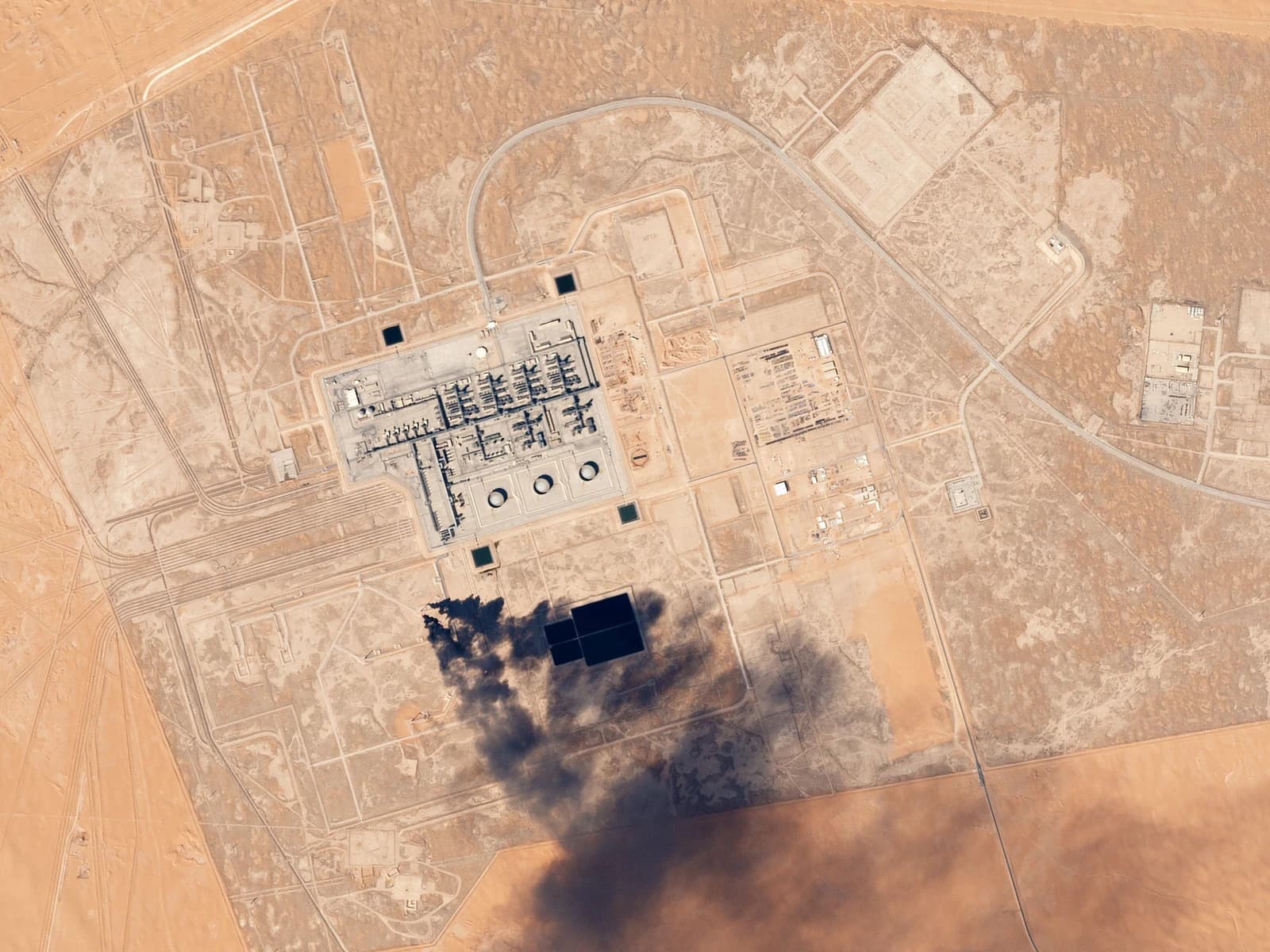
The decision matters because Dhahran is not just a corporate campus; it is a command center for monitoring offshore and onshore production, refineries, export terminals and thousands of kilometers of pipelines. Any disruption there raises the stakes for a market already hypersensitive to Middle East supply risks, especially after recent attacks by Yemen’s Houthi movement damaged the headquarters and an earlier drone strike on the giant Shaybah field prompted air-defense interceptions and fatalities.
Sentiment Indicators
For Saudi Arabia, the escalation is an economic and geopolitical test. The kingdom has responded with strikes on missile launch sites and reiterated its commitment to defend critical infrastructure, but the more urgent question for investors is whether the attacks remain symbolic or begin to threaten throughput, export logistics or the reliability premium built into crude prices. WTI futures have already been volatile, with recent moves taking prices well above $110 a barrel in this data set, while the oil sector benchmark XLE has rallied sharply and remains technically strong, trading above both its 50-day and 200-day moving averages.
That backdrop helps explain why markets are treating the developments as more than another headline from a long-running regional conflict. Higher oil prices can support upstream cash flow for producers, including Aramco and international majors with Middle East exposure, but they also raise the risk of demand destruction, tighter financial conditions and renewed inflation pressure for consumers and policymakers. The 10-year U.S. Treasury yield hovering around 5% reinforces how sensitive broader markets remain to any fresh energy shock.
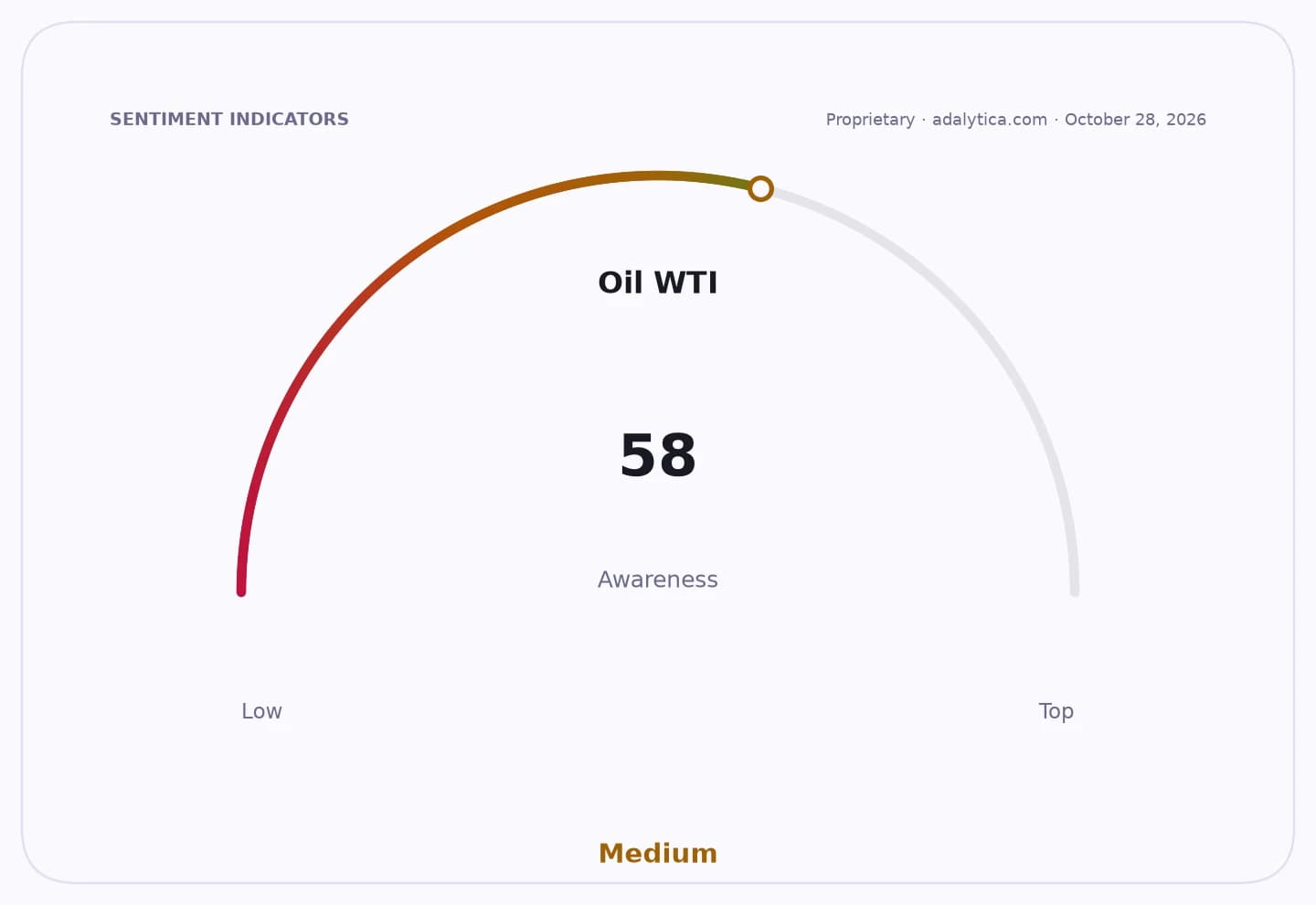
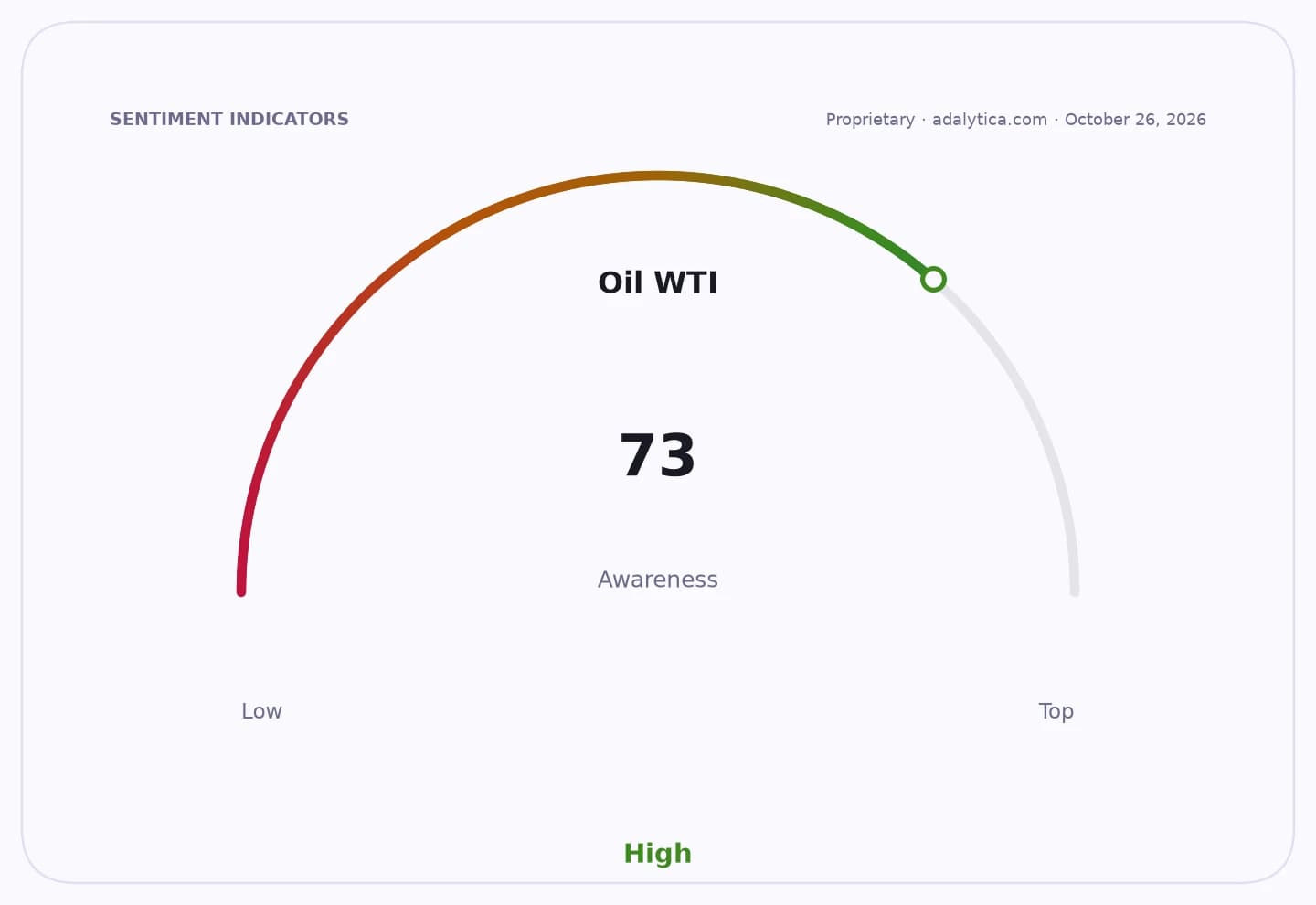
The immediate bull case for energy investors is straightforward: sustained geopolitical stress keeps a floor under crude and supports earnings for producers and service companies. The bear case is that a deeper confrontation could damage infrastructure, force operational changes or invite a sharper policy response from importing nations. Adalytica’s Oil WTI Trade Signals gauge shows fear is elevated, even if broader global-stability sentiment remains neutral, a sign that the market sees risk without yet pricing a full-blown supply outage.
For Aramco, the evacuation order is a reminder that the company’s scale also makes it a strategic target. For investors, it is a warning that the region’s oil risk premium may not be temporary if attacks continue to move closer to core production and export assets.
| Entity | Gains | Losses |
|---|---|---|
| Oil producers | ▲Higher crude prices | ▼Operational security |
| Aramco | ▲Potential pricing tailwind | ▼HQ and asset risk |
| Energy equities | ▲Earnings support | ▼Volatility from escalation |
| Importers / consumers | ▲— | ▼Higher fuel costs |